 Skipper
Improve
•All boatersBoat Fuel Log: How to Track Fuel Consumption
Learn how to keep a boat fuel log, calculate fuel consumption and cost per hour, compare trips, and plan fuel reserves with a practical tracking template.
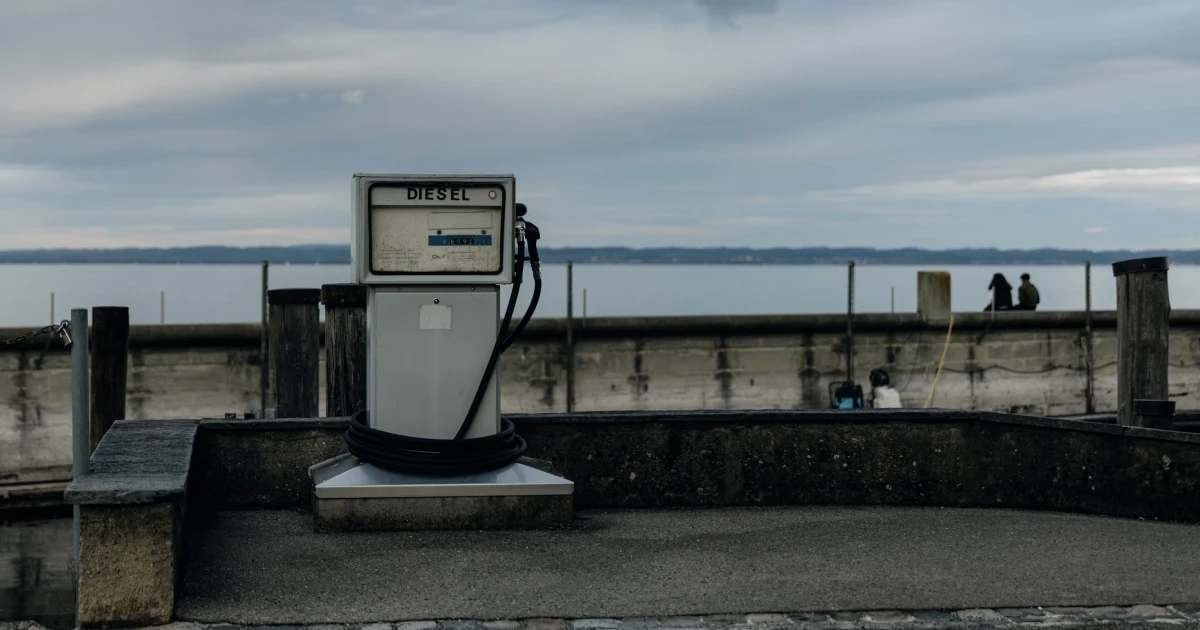
Boat Fuel Log: How to Track Fuel Consumption
Fuel is one of the most visible running costs of a motorboat, but it can also matter on a sailing yacht with an auxiliary engine.
The difficulty is that fuel consumption depends on more than distance. Engine load, speed, sea conditions, hull condition and the time spent motoring can all affect how much fuel a trip requires.
A boat fuel log helps you replace rough estimates with actual records. By tracking refuelling, engine hours and trip details, you can calculate fuel costs, compare outings and make better-informed decisions about your operating budget.
This guide explains what to record, how to calculate consumption and how to build a simple boat fuel log you can maintain throughout the season.
What Is a Boat Fuel Log?
A boat fuel log is a structured record of fuel purchases and usage.
At its simplest, it records each refuelling: the date, quantity, price and total cost. A more useful log also connects fuel information with engine hours, trips and operating conditions.
A fuel log can help you answer questions such as:
- How much fuel does my boat use per engine hour?
- What did a particular trip cost in fuel?
- How much did I spend on fuel this season?
- Has my average consumption changed?
- How much fuel should I plan for a similar trip?
- How much fuel remains available for future outings?
The quality of these answers depends on the quality of your records. A receipt tells you how much fuel you purchased, but not necessarily how much the boat consumed during a particular trip.
What Information Should You Record?
You do not need a complicated system. Start with a small number of consistent fields and add detail when it is useful.
| Field | What to record | Why it matters |
|---|---|---|
| Date | Refuelling or trip date | Organises the history |
| Trip or location | Route, destination or trip name | Connects fuel data to an outing |
| Fuel type | Diesel, petrol or other applicable fuel | Separates different fuel types |
| Quantity added | Litres or US gallons | Records the purchase |
| Unit price | Price per litre or gallon | Allows cost comparisons |
| Total cost | Amount paid | Tracks expenditure |
| Engine hours | Hour-meter reading | Helps estimate engine operating time |
| Fuel level | Reading or estimate, if available | Helps understand remaining fuel |
| Distance | Trip distance from a reliable source | Supports distance-based comparisons |
| Notes | Conditions, engine use or unusual events | Explains changes in consumption |
You can keep additional fields for engine identification, fuel supplier, receipt references or separate port and starboard engine readings.
For a boat with multiple engines, record each engine’s hours separately when possible. This can reveal differences in usage and help with maintenance planning.
For consistency, label units clearly. One US gallon is approximately 3.785 litres. An Imperial gallon, used in some countries, is approximately 4.546 litres. Do not mix the two when comparing records.
Boat Fuel Log Template
Use this table as a starting point for recording refuelling events.
| Date | Trip or location | Fuel added (L) | Approx. US gal | Price per litre | Total cost | Engine hours | Notes |
|---|---|---|---|---|---|---|---|
| 12 May | Marina departure | 45 | 11.9 | €1.80 | €81.00 | 125.4 | Refuelled before trip |
| 18 May | Coastal outing | 30 | 7.9 | €1.85 | €55.50 | 129.1 | Partial refill |
| 25 May | Weekend passage | 52 | 13.7 | €1.82 | €94.64 | 134.0 | Refilled after return |
These are illustrative entries, not actual fuel prices or consumption data for a particular boat. The US gallon figures are rounded conversions of the quantities purchased.
A critical distinction: fuel added is not necessarily fuel consumed during that trip. The tank may not have been empty before refuelling, and the quantity added may include fuel intended for future outings.
To calculate consumption accurately, you need a reliable measure of fuel used over a known period, not simply a list of purchases.
How to Calculate Boat Fuel Consumption
There are several useful ways to measure fuel consumption. Choose the method that matches the information your boat provides.
1. Fuel consumption per engine hour
This is a practical measure for understanding how much fuel the engine uses while running.
Formula:
Fuel consumption per hour = fuel used ÷ engine operating hours
For example, suppose you can establish that your engine used 24 litres (6.3 US gallons) over 6 operating hours.
24 L ÷ 6 hours = 4 L/hour, or approximately 1.06 US gal/hour.
This is an average across the measured period. It does not mean the engine consumed exactly 4 litres in every hour. Consumption can vary with RPM, engine load, speed and operating conditions.
For reliable results, use a dependable fuel-used measurement, a calibrated fuel-flow system or a suitable comparison of tank levels over a known period. Tank readings and refill quantities may be imprecise, particularly when the boat is not level or the tank shape makes level readings difficult.
2. Fuel consumption per nautical mile
For some boats, fuel used per nautical mile is a useful way to compare similar journeys.
Formula:
Fuel consumption per nautical mile = fuel used ÷ distance travelled
Suppose a boat uses 18 litres (4.8 US gallons) over a 30-nautical-mile trip.
18 L ÷ 30 NM = 0.6 L/NM, or approximately 0.16 US gal/NM.
This figure can help compare similar routes and operating conditions. It is not a fixed property of the boat: speed, sea state, current, wind, loading and engine use can change the result.
For sailing boats, distinguish between distance covered under sail and distance covered under engine power if you want to evaluate engine efficiency specifically.
3. Fuel cost per engine hour
To estimate the fuel cost of running the engine, multiply the average hourly consumption by the price per litre.
Formula:
Fuel cost per hour = consumption per hour × fuel price per litre
Using the earlier example:
- Average consumption: 4 L/hour
- Fuel price: €1.85/L
- Estimated fuel cost: 4 × €1.85 = €7.40 per engine hour
This is the fuel cost only. It does not include maintenance, depreciation, insurance, mooring or other boat ownership expenses.
If your records use US gallons, multiply the consumption in US gallons per hour by the price per US gallon instead. Keep the quantity and price units consistent.
4. Fuel cost per nautical mile
You can also estimate the fuel cost of covering a nautical mile.
Formula:
Fuel cost per nautical mile = litres per nautical mile × price per litre
If consumption averages 0.6 L/NM and fuel costs €1.85/L:
0.6 × €1.85 = €1.11 per nautical mile.
Use this as a comparison measure, not a guarantee of what the next trip will cost.
Fuel Purchases vs. Fuel Actually Used
One of the most common mistakes in fuel tracking is treating the quantity purchased as the quantity consumed.
Imagine you start a trip with 70 litres (18.5 US gallons) in the tank and finish with 50 litres (13.2 US gallons). If the measurements are reliable and no fuel was added or transferred, the estimated consumption is 20 litres (5.3 US gallons).
If you then add 35 litres (9.2 US gallons) at the marina, you have purchased 35 litres—but you have not necessarily consumed 35 litres during the trip.
For a basic tank-based estimate:
Fuel used = starting fuel quantity + fuel added − ending fuel quantity
This calculation works only if the quantities are measured consistently and all relevant fuel transfers or removals are accounted for.
Tank-level gauges are not always precise enough for accurate consumption calculations. For better results, use a suitable fuel-flow measurement or repeat observations under consistent conditions and treat the result as an estimate.
If your boat has multiple tanks, record which tank was used and any transfer between tanks.
How to Track Fuel on a Sailing Boat
Fuel tracking is useful even when sailing is the boat’s primary mode of propulsion.
A sailing yacht may use its engine for harbour manoeuvres, calms, charging batteries, entering narrow channels or motoring against adverse conditions.
For a sailing boat, record:
- Engine-hour reading at the start and end of the period.
- Fuel added and any reliable fuel-level readings.
- Whether the engine was used for manoeuvring, motoring or charging.
- Distance travelled and the route.
- Unusual conditions, such as strong headwinds or heavy seas.
You may also want to distinguish between the total trip duration and the time spent under engine power.
For example, a six-hour sailing trip may include only 90 minutes of engine use. The GPS trip duration is six hours, but it is not a valid substitute for engine operating time when calculating fuel consumption per hour.
See How to Track Engine Hours on a Boat for more detail on recording and using engine-hour readings.
How to Track Fuel on a Motorboat
For a motorboat, fuel consumption often represents a more significant part of the operating budget.
A useful record should connect fuel usage to engine hours, distance and, where available, operating speed or RPM.
If your boat has a fuel-flow display, record its readings according to the manufacturer’s guidance. If it does not, you can still build a useful history from refuelling records, engine hours and consistent fuel-level measurements.
Avoid assuming that a single consumption figure applies at every speed. An engine operating under heavy load may consume substantially more fuel per hour than it does at a lower load. However, lower fuel use per hour does not automatically mean lower fuel use per nautical mile, because the boat may take longer to cover the distance.
Compare like with like: similar routes, loads, speeds and sea conditions provide more useful insights than unrelated trips.
How to Estimate Fuel for Your Next Trip
A fuel log becomes particularly useful when planning future outings.
Step 1: Estimate the distance
Calculate the planned route in nautical miles (NM), including relevant detours and changes of destination.
Step 2: Estimate engine operating time
Estimate how long the engine is likely to run, taking into account harbour manoeuvres, expected motoring, weather and the nature of the route.
For a sailing yacht, do not assume that total passage time equals engine time.
Step 3: Use a realistic consumption rate
Use your own recorded consumption for comparable conditions where possible. Manufacturer data can provide a reference, but published figures may reflect specific engine loads or test conditions that differ from real-world use.
Step 4: Calculate estimated fuel use
Estimated fuel use = expected engine hours × estimated consumption per hour
For example, if you expect to run the engine for 5 hours and your comparable records suggest 4 L/hour (approximately 1.06 US gal/hour):
5 × 4 = 20 litres estimated fuel use, or approximately 5.3 US gallons.
This is a planning estimate, not a guarantee. Conditions may change, and the actual consumption may be higher.
Step 5: Add a suitable reserve
Plan a conservative reserve appropriate to your boat, route, weather, access to fuel and applicable safety requirements.
Do not use the estimated trip consumption as the minimum amount of fuel you need to carry. Allow for changes in route, delays, adverse conditions and other foreseeable contingencies.
For broader departure preparation, use the Pre-Departure Boat Checklist.
How to Monitor Changes in Fuel Consumption
A fuel log is also useful for spotting changes over time.
If a boat appears to be using more fuel than usual, first check whether the comparison is valid. A different speed, heavier load, stronger headwind or rougher sea can explain a change without indicating a fault.
When conditions and measurement methods are reasonably comparable, investigate a persistent increase rather than dismissing it.
Potential factors include:
- Different engine RPM or operating load.
- Increased boat weight or loading.
- Hull fouling or propeller condition.
- Engine maintenance needs.
- Changes in fuel quality or measurement accuracy.
- Mechanical or fuel-system problems.
A fuel log cannot diagnose an engine fault by itself. If consumption changes unexpectedly or you notice other warning signs, follow the manufacturer’s guidance and seek qualified assistance where appropriate.
Do not operate an engine outside its recommended operating conditions simply to improve a fuel-consumption figure.
Fuel Log vs. Engine Log vs. Trip Log
These records are related, but they answer different questions.
| Record | What it tells you |
|---|---|
| Fuel log | Fuel purchased, fuel used where measurable, and fuel costs |
| Engine log | Engine-hour readings, operating information and relevant engine observations |
| Trip log | Route, distance, duration, locations, conditions and events during an outing |
| Maintenance log | Inspections, servicing, repairs, parts replaced and follow-up work |
| Expense log | Fuel expenditure and other costs associated with owning or operating the boat |
Keeping these records connected makes them more useful.
For example, a trip log may show where you travelled and how long the outing lasted. The engine log can show how long the engine ran. The fuel log can record the quantity consumed and the associated cost.
The distinction matters: GPS duration and distance do not independently establish fuel consumption or engine operating hours.
Common Boat Fuel Logging Mistakes
Avoid these errors when building your fuel history.
- Recording only the amount purchased. A refill is not necessarily equal to the fuel consumed during the trip.
- Forgetting engine-hour readings. Without a reliable operating-time measure, consumption per hour is difficult to calculate.
- Mixing units. Keep litres, US gallons and Imperial gallons clearly identified.
- Using total trip duration as engine time. This is especially misleading on sailing boats.
- Comparing dissimilar trips. Speed, load, weather and route can change fuel consumption.
- Treating estimates as exact measurements. Fuel gauges and tank readings may have limited accuracy.
- Ignoring fuel price changes. Consumption and fuel cost are different metrics.
- Failing to record unusual events. Long periods of idling, detours or difficult conditions may explain higher usage.
- Ignoring persistent changes. A consistent increase under comparable conditions deserves investigation.
How Skipper Fits Into Your Boat Records
Fuel tracking is most useful when it forms part of a broader picture of how you use and maintain your boat.
Skipper is a digital boating logbook that helps you record GPS tracks, routes, trip details, notes and photos. These trip records can provide context for your separate fuel and engine-hour records.
For example, you can review a route and its duration alongside a fuel entry to understand what happened during an outing. Keep actual fuel quantities, engine-hour readings and costs in a dedicated record where those details are not captured directly.
The goal is to build a reliable history without confusing navigation data with engine or fuel measurements.
Frequently Asked Questions
What is a boat fuel log?
A boat fuel log is a record of fuel purchases, quantities, prices, engine hours and the trips or periods they relate to. It helps estimate consumption, monitor fuel costs and plan future trips.
How do you calculate boat fuel consumption?
If you know how much fuel was used and how long the engine ran, divide the fuel used by engine operating hours to estimate consumption per hour. Accurate measurement requires a reliable fuel-use figure and consistent units.
Does GPS trip duration tell me how much fuel my boat used?
No. GPS duration records elapsed trip time, not engine operating time or fuel consumed. A sailing boat may spend much of a trip under sail, while a motorboat may operate its engine at different loads and consumption rates.
How often should I record boat fuel?
Record each refuelling and, when practical, the engine-hour reading. For better trip-level estimates, also record departure and arrival engine hours or reliable fuel-use readings. Consistency matters more than recording excessive detail.
How much fuel reserve should a boat carry?
The required reserve depends on the boat, engine, route, weather, regulations and applicable safety guidance. Plan conservatively using realistic consumption data and follow the relevant requirements; do not rely solely on an average from previous trips.
Can a sailing boat benefit from a fuel log?
Yes. An auxiliary engine still consumes fuel during manoeuvring, charging, motoring and periods without sufficient wind. Recording engine hours and refuelling helps estimate fuel use even when most of the passage is sailed.
Build a Better Record of Your Boat’s Running Costs
A consistent boat fuel log helps you understand fuel expenditure, estimate consumption and compare similar trips. The most useful records distinguish between fuel purchased, fuel actually used, engine operating hours and total trip duration.
Start with a few fields you can maintain consistently. Use reliable measurements wherever possible, keep your units consistent, and treat estimates as estimates rather than guarantees.
Make every trip easier to review with Skipper. Record your routes, trip details, weather notes and photos in a digital logbook, then use that history alongside your fuel and engine records to build a clearer picture of your time on the water.
Remember your days at sea
Skipper is a ship’s log app for sailboats and powerboats, available on iPhone and iPad. It records every trip with GPS and keeps your whole sailing history in one searchable logbook. Free for your first three trips.

Keep reading
Boat Expenses: A Complete Budget Guide
Learn how to track boat expenses, organize maintenance and fuel costs, build an annual boating budget, and calculate the true cost of owning a boat.
All boaters
Boat Inventory Checklist: Everything to Keep Track of on Board
Use this boat inventory checklist to organize safety equipment, tools, spare parts, documents and supplies, and keep your onboard inventory up to date.
All boaters
Boat Maintenance Schedule
Build a practical boat maintenance schedule with recurring checks for the hull, engine, batteries, safety equipment, rigging and onboard systems.
All boaters