 Skipper
Document
•All boatersHow to Record a Boating Incident
Learn how to document a boating incident clearly and accurately, from the timeline and conditions to damage, witnesses, and follow-up actions.
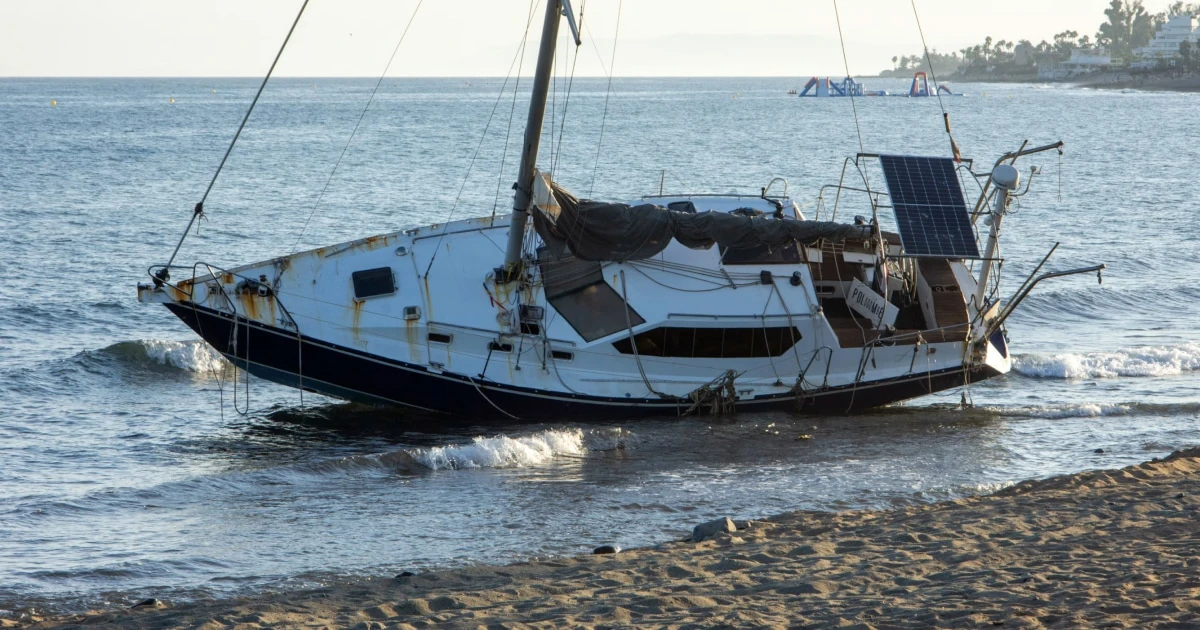
How to Record a Boating Incident
A boating incident can happen in seconds: a crew member slips on deck, a line parts under load, a vessel makes contact with a pontoon, or a sudden change in weather creates a dangerous situation.
Once everyone is safe and the immediate situation is under control, write down what happened while the details are still fresh. A clear incident record helps you reconstruct events, understand contributing factors, support follow-up with an insurer or repairer, and learn from the experience.
The key is to record facts objectively, preserve relevant evidence, and keep your logbook entry separate from any formal accident report that may be required.
1. Put safety before documentation
Do not delay an emergency response to take photographs, write notes, or collect information.
If an incident occurs:
- Protect people first. Provide appropriate assistance and call the relevant emergency or rescue service when necessary.
- Make the vessel safe if it is possible to do so without creating additional danger.
- Follow applicable collision, assistance, and reporting obligations.
- Once the situation allows, preserve the details needed to document what happened.
A logbook is a record, not an emergency procedure. It does not replace a mayday call, medical assistance, a required notification to the authorities, or any other immediate safety action.
2. What information should you record?
Aim to capture enough information for someone who was not present to understand the event.
| Information | What to record |
|---|---|
| Date and time | The date and approximate or exact time of the incident, including the time zone where relevant |
| Location | Position, coordinates if available, nearby landmarks, port, anchorage, or route |
| Vessel | Vessel name, identification details where relevant, and the vessel’s condition |
| People involved | Crew members, passengers, witnesses, and other vessels involved, respecting privacy |
| Conditions | Wind direction and strength, sea state, visibility, current, and weather |
| What happened | A factual description of the sequence of events |
| Consequences | Injuries, damage, equipment failure, pollution, or other observed effects |
| Immediate response | Actions taken, assistance requested, and any change in the vessel’s operation |
| Evidence | Photographs, relevant messages, witness details, and other supporting material |
| Follow-up | Inspections, repairs, notifications, and outstanding actions |
Not every incident requires every field. Record what is relevant, and clearly mark information you do not know.
3. Describe the sequence of events objectively
The most useful incident record explains what happened in chronological order.
Start with the situation before the incident. Describe the event itself, then record what happened immediately afterward.
For example, a useful entry might say:
At approximately 14:20, while approaching the marina entrance under reduced speed, the vessel made contact with the outer edge of the port-side pontoon. The crew reported a sudden movement as the vessel was being brought alongside. A visual inspection identified a scrape on the port bow. No injuries were reported at the time. The vessel was secured alongside, and photographs of the affected area were taken.
This is more useful than writing:
We had a bad docking. The wind was too strong, and the pontoon damaged the boat.
The second version mixes a conclusion about the cause with a vague description of the event. Unless the cause is established, record the observations first.
Separate observations from assumptions
Use language that reflects what you actually know.
- Observation: “The fender was found displaced after contact.”
- Reported information: “The crew member stated that the line had slipped from the cleat.”
- Unconfirmed possibility: “The line may have been incorrectly secured.”
- Confirmed finding: “The inspection identified a split in the line near the splice.”
Avoid assigning blame or stating a definitive cause before the available evidence supports it.
If you later discover new information, add a dated follow-up note rather than silently rewriting the original account.
4. Record the conditions at the time
Environmental conditions can help explain how an event developed.
Where relevant, include:
- Wind direction and approximate strength.
- Sea state, swell, and current.
- Visibility and precipitation.
- Vessel speed and direction of travel.
- Sail plan or engine use.
- Traffic, nearby vessels, or obstacles.
- Whether the vessel was under way, manoeuvring, anchored, or alongside.
Be specific about the source of your information. If you have an instrument reading, record the value and unit. If you are estimating, say so.
For instance, “wind estimated at 15–20 knots from the southwest” is more informative than “strong wind.” Do not invent measurements after the event simply to fill a field.
A GPS track can help establish the vessel’s route, position, and movement around an event, but it may not capture the exact point of contact or explain why it happened. Combine available navigation data with your written observations.
5. Document damage and injuries carefully
Record visible damage without attempting to make a technical diagnosis beyond your knowledge.
For vessel damage, note:
- The location of the damage on the boat.
- Its visible appearance and approximate extent.
- Whether water ingress or another immediate hazard was observed.
- Whether the affected equipment was taken out of service.
- Any inspection, repair, or professional assessment that followed.
For injuries, record only the relevant facts and information you are authorised to document. Avoid unnecessary personal or medical details. Note the assistance requested and the outcome as appropriate.
If damage is not immediately apparent, say that no visible damage was identified during the initial inspection. Do not conclude that there is no damage until the appropriate checks have been completed.
6. Take photographs and preserve supporting evidence
Photographs can make a written record considerably more useful.
When it is safe and appropriate, take pictures that show:
- The overall scene and vessel position.
- The affected area from a useful distance.
- Close-ups of damage or failed equipment.
- Relevant lines, fittings, or components before they are moved, where safe.
- Any visible environmental or navigational factors that help explain the situation.
Keep the original files where possible, with their timestamps and metadata intact. Avoid editing the originals in ways that could obscure what they show. If you annotate or crop an image for explanation, retain the original separately.
Other useful supporting material may include:
- GPS tracks and navigation records.
- Weather observations.
- Relevant VHF communications or written records of communications.
- Witness names and contact details, where appropriate.
- Inspection findings, repair estimates, and invoices.
- Notifications made to authorities, the marina, or the insurer.
Preserve material lawfully and respect privacy. Do not assume that every communication can or should be recorded; applicable rules vary by jurisdiction.
7. Distinguish the logbook entry from a formal incident report
A logbook entry is an operational record of what happened aboard your vessel. A formal report is a separate process governed by the applicable rules.
Depending on the country, vessel, activity, and severity of the event, a report may need to be made to a maritime authority, coastguard, accident investigation body, port authority, insurer, or another organisation.
For example:
- In the United Kingdom, the Marine Accident Investigation Branch (MAIB) publishes guidance explaining which marine casualties and incidents must be reported and how to report them. See the official MAIB reporting guidance.
- In the United States, recreational boating accident reporting requirements and procedures are governed by applicable federal and state rules. The US Coast Guard provides an official Recreational Boating Accident Report form.
These are examples, not universal rules. Check the requirements that apply to your vessel and the waters where the incident occurred. Do not assume that recording the event in a logbook satisfies a formal reporting obligation.
Where an incident may lead to an insurance claim or investigation, follow the relevant notification instructions and retain copies of submitted reports and supporting documents.
8. Use a repeatable incident-recording template
A standard format makes it easier to capture important details, especially when several people are involved.
You can use the following template in a paper logbook or digital record.
Bo
Remember your days at sea
Skipper is a ship’s log app for sailboats and powerboats, available on iPhone and iPad. It records every trip with GPS and keeps your whole sailing history in one searchable logbook. Free for your first three trips.

Keep reading
Best Practices for a Sailing Logbook
Learn how to keep a useful sailing logbook with consistent entries, accurate navigation records, weather observations, and practical routines. Discover how a digital logbook can simplify the process.
All boaters
How to Document Your Sailing Experience
Learn how to document your sailing experiences with a logbook, GPS tracks, photos, and trip notes. Build a personal record of your sailing adventures and progress over time.
All boaters
How to Keep a Sailing Logbook
Learn how to keep a sailing logbook with a simple routine, practical entries and tips for recording every trip consistently.
All boaters