 Skipper
Document
•All boatersWhat to Write in a Sailing Logbook
Learn what to record in a sailing logbook, from date and position to weather, crew, engine hours and important events, with practical examples.
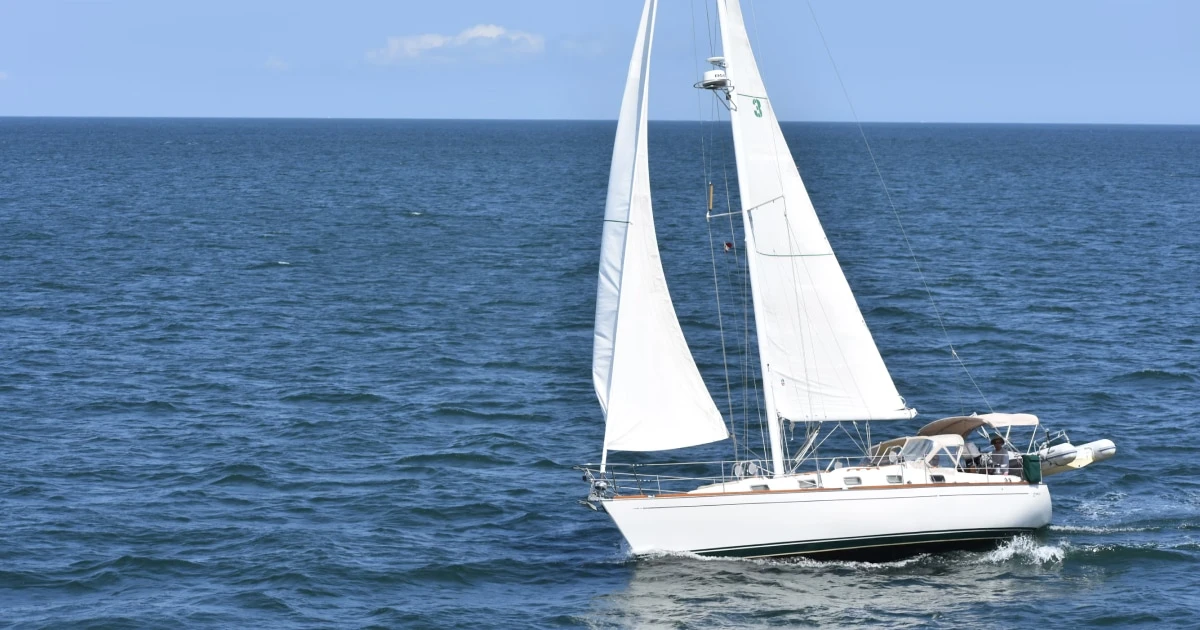
What to Write in a Sailing Logbook
A sailing logbook records what happened during a voyage: where you went, when you travelled, what conditions you encountered, who was aboard and what mattered along the way.
Whether you’re sailing for an afternoon, cruising along the coast for a week or managing a boat throughout the year, a well-kept logbook gives you something more useful than a collection of memories. It provides a record you can revisit to understand past trips, improve your decisions and document your sailing experience.
But what should you actually write down?
The answer depends on how you use your boat. A recreational sailor doesn’t necessarily need the same records as a commercial vessel. Still, there is a practical set of entries that makes almost any sailing logbook more useful.
1. The essential sailing logbook entries
Start with the information that allows you to reconstruct a trip later. You don’t need to write a paragraph for every entry. Consistent, factual records are more valuable than lengthy descriptions that leave out the basics.
| Entry | What to record | Why it matters |
|---|---|---|
| Date and time | Departure, arrival and significant events | Establishes a reliable timeline |
| Boat | Name, type and relevant configuration | Identifies the vessel used |
| Departure and destination | Ports, anchorages or other locations | Shows where the trip began and ended |
| Position and route | GPS position, track or waypoints, where available | Helps reconstruct the navigation |
| Distance | Distance travelled, with units specified in NM (km / mi) | Documents activity and supports comparisons |
| Weather | Forecast and observed conditions, kept distinct | Helps explain decisions and changes during the trip |
| Wind | Direction, strength in kn (km/h / mph) and notable gusts | Records the conditions affecting the sail plan |
| Sea state | Wave height in m (ft), swell, direction and period where relevant | Helps explain comfort and handling |
| Crew | People aboard and their roles when relevant | Documents who participated |
| Events and decisions | Manoeuvres, route changes, delays and incidents | Preserves the reasoning behind the voyage |
| Engine and propulsion | Engine use and hours when available or manually recorded | Supports maintenance records and operational history |
| Arrival | Time, destination and final observations | Completes the trip record |
For a typical recreational outing, begin with the date, route, conditions, crew and anything unusual. Add more detailed technical records when the trip, boat or purpose calls for them.
If you’re maintaining a logbook for a vessel subject to specific regulatory requirements, these general recommendations are not a substitute for the prescribed entries.
2. Record the voyage from departure to arrival
A logbook should make it possible to follow the trip in chronological order.
Before leaving
Record the starting point and departure time. Note the planned destination, the forecast conditions and any relevant considerations that might influence the decision to leave.
Useful details include:
- Departure location and intended destination.
- Planned route and alternative destinations.
- Forecast wind, weather and sea conditions.
- Crew aboard.
- Fuel, water or other operational information when relevant.
- Any known equipment issues or limitations.
You don’t need to copy the entire weather forecast into your logbook. Focus on the conditions that informed your decision and, where useful, the source and time of the forecast.
During the voyage
Add entries when something meaningful happens rather than trying to document every minute.
Examples include:
- A change in wind direction or strength.
- A reef taken or a sail changed.
- A change of course or destination.
- An unexpected delay or equipment problem.
- A change in sea state.
- An anchoring manoeuvre or arrival at a new location.
- An incident, safety concern or important decision.
Position reports and routine navigational observations may be necessary for some vessels and operations. For a recreational trip, the appropriate frequency depends on the conditions, the route and the purpose of the record.
At arrival
Close the trip with the arrival time and location. Record the distance covered in NM (km / mi) if available, the final conditions and anything worth remembering.
If you noticed a problem during the voyage, write down what happened and whether any follow-up is needed. A small observation made at the end of a trip can become a useful maintenance reminder before the next departure.
3. Record the conditions, not just the weather forecast
One of the most useful reasons to keep a sailing logbook is to compare the conditions you expected with those you actually encountered.
A forecast and an observation are not the same thing. Make that distinction clear in your entries.
For example, instead of writing only:
Forecast: northwesterly winds, 15 kn (27.8 km/h / 17.3 mph).
You might record:
Forecast: NW 15 kn (27.8 km/h / 17.3 mph). Observed: NW 18–22 kn (33.3–40.7 km/h / 20.7–25.3 mph) with stronger gusts in the afternoon. Reduced sail before entering the exposed headland.
This entry is more useful because it connects the conditions with the action taken.
When relevant, record:
- Wind direction and approximate strength in kn (km/h / mph).
- Gusts and changes over time.
- Sea state, swell direction and wave height in m (ft) or wave period if known.
- Visibility and precipitation.
- Current or tidal conditions.
- Changes that affected the route or sail plan.
Use consistent units and distinguish measured values from estimates. If you record conditions using a weather station, an onboard instrument or an external forecast, note the source when that distinction matters.
Over several trips, these observations can help you understand how your boat behaves in different conditions and which situations require additional preparation.
4. Include the people aboard
A sailing logbook can document more than the boat’s movement. It can also preserve who participated in each trip.
Record the crew members when relevant, particularly if you’re tracking your sailing experience, sharing a boat with others or maintaining records for a club.
Depending on your purpose, you might include:
- Names or identifiers of crew members.
- The skipper and other responsibilities.
- Crew changes during a passage.
- Relevant training or manoeuvres practised.
- Significant events involving the crew.
Avoid collecting unnecessary personal information. For a private recreational logbook, a simple crew list may be sufficient.
If you intend to use the record as evidence of sea time for a qualification, employment application or charter assessment, check the organisation’s specific requirements. A personal logbook may support your account of a voyage without automatically qualifying as official evidence.
5. Record important events and decisions
The most valuable logbook entry is often the one that explains why something happened.
A GPS track may show that you changed course. It usually cannot explain why you did so.
A useful entry connects the event, the decision and the outcome:
14:20 — Wind increased and gusts became more frequent (reaching 22 kn (40.7 km/h / 25.3 mph)). Took the second reef before the exposed section. Continued toward the planned anchorage after reassessing the conditions.
Other examples include:
- Diverting to a sheltered harbour.
- Delaying departure because the forecast deteriorated.
- Aborting an anchoring attempt.
- Discovering a problem with the engine or rigging.
- Helping another vessel.
- Reporting an incident or equipment failure.
Keep the language factual. Record what you observed, what action was taken and what happened next. Avoid presenting an assumption as a confirmed fact.
For an incident, prioritise the safety of everyone involved and follow the applicable emergency procedures. Write the record as soon as it is safe to do so, preserve relevant information and follow any required reporting process.
6. Track engine use and maintenance-related observations
For a motorboat or a sailing yacht with an auxiliary engine, propulsion records can help build a useful operational history.
Where appropriate, record:
- Engine start and stop times.
- Engine hours from the actual meter.
- Approximate duration of engine use.
- Reason for motoring, such as manoeuvring, charging or lack of wind.
- Unusual sounds, temperatures, vibrations or warning indicators.
- Fuel additions and quantities, if you are tracking consumption.
Keep observed readings separate from estimates. If an engine-hour meter is replaced or reset, document the change rather than treating the new reading as the boat’s lifetime total.
A sailing logbook can complement a dedicated maintenance log, but the two serve different purposes. The maintenance log should contain the service date, engine-hour reading, work performed, parts used, findings and next service due.
Do not assume that recording a trip automatically records engine hours or fuel consumption. Those figures need an appropriate measurement or a manual entry.
7. What is optional in a recreational sailing logbook?
Not every entry needs to be technical. A personal logbook can also preserve the details that make a trip memorable.
Useful optional entries include:
- Anchorages and places visited.
- Photographs of the boat, crew and destinations.
- Notes about a manoeuvre you want to practise again.
- Observations about how the boat handled in particular conditions.
- Wildlife sightings and notable experiences.
- Lessons learned and ideas for the next trip.
- Approximate trip costs, if you’re reviewing your sailing budget.
These details become particularly valuable when you revisit your records months or years later.
A photograph can help you remember an anchorage. A short note can explain why you chose one route over another. A series of trips can reveal which destinations you return to and which conditions you tend to avoid.
The goal isn’t to document everything. It’s to record enough that the important details won’t depend entirely on your memory.
8. A practical example of a sailing logbook entry
Imagine a day trip from a marina to a nearby anchorage and back.
A useful entry might look like this:
| Field | Example |
|---|---|
| Date | 12 June 2026 |
| Boat | Sailing yacht, 34 ft (10.4 m) |
| Departure | 09:15, home marina |
| Destination | Sheltered bay, 11 NM (20.4 km / 12.7 mi) away |
| Crew | Skipper and two crew members |
| Forecast | WNW 10–15 kn (18.5–27.8 km/h / 11.5–17.3 mph) |
| Observed conditions | WNW 12–18 kn (22.2–33.3 km/h / 13.8–20.7 mph), moderate afternoon gusts |
| Navigation | GPS track recorded |
| Events | Reef taken before exposed headland |
| Arrival | 12:05, anchorage in 6 m (19.7 ft) depth |
| Notes | Good holding in the chosen anchorage; inspect the headsail furling line before the next trip |
These values are illustrative, not a navigation recommendation.
The entry provides a basic timeline, the conditions, a meaningful decision and a follow-up action. It is short enough to maintain consistently but detailed enough to be useful later.
For a longer passage or a vessel with formal recordkeeping obligations, additional entries and a different format may be necessary.
See the sailing logbook examples guide for more worked examples, or use the printable sailing logbook template to organise your own entries.
9. Paper or digital: how should you record your entries?
A paper logbook is straightforward, does not depend on a phone battery and can be appropriate where a particular format is required. Its limitations include manual calculations, difficulty searching past trips and the effort involved in preserving photographs and route information.
A digital logbook can make it easier to keep routes, trip details, notes and photographs together. Depending on the application, some information can be recorded automatically, reducing the need to reconstruct a voyage from memory.
Skipper is an iPhone sailing logbook that records GPS tracks, routes, distances in NM (km / mi), duration and speed in kn (km/h / mph) during trips. You can complement that record with boat and crew details, weather, locations, notes and photos.
This is particularly useful when you want to review a trip afterwards: the recorded route provides a geographical history, while your notes explain what happened along the way.
A digital record should not automatically be treated as a substitute for a prescribed official logbook. Where a regulation, authority, charter company or qualification provider requires specific records, confirm that your chosen method meets its requirements.
Read Digital vs. Paper Sailing Logbook for a more detailed comparison.
10. Is a sailing logbook legally required?
There is no single answer that applies to every recreational boat worldwide.
Requirements depend on factors such as:
- The vessel’s flag state and applicable jurisdiction.
- Whether the boat is recreational, commercial or used for another regulated purpose.
- The type of voyage and operating area.
- Any specific requirements associated with the vessel, its equipment or its operation.
For example, French maritime regulations contain logbook requirements for certain categories of vessels, while UK Maritime and Coastguard Agency guidance distinguishes approved electronic record books used for specific statutory purposes from other official logbooks. These provisions should not be interpreted as a universal requirement for every recreational sailor.
Before relying on a personal or digital logbook for compliance, check the current rules with the relevant maritime authority.
Useful starting points include:
- French maritime regulations — Légifrance
- UK Maritime and Coastguard Agency
- U.S. Coast Guard Boating Safety
A personal sailing logbook remains valuable even where a formal record is not required. It can help you remember trips, document your experience and maintain a history of the boat’s use.
Frequently asked questions
What should you write in a sailing logbook?
At a minimum, record the date, departure and arrival locations, route or position, conditions, people aboard and significant events. Add technical details, engine information and observations according to your boat and the purpose of the logbook.
How often should you make a logbook entry?
Record the beginning and end of each trip, then add entries when conditions, navigation, decisions or important events warrant them. Vessels subject to formal requirements may need more frequent entries.
Can a GPS track replace a sailing logbook?
No. A GPS track can document where a boat travelled, but it does not necessarily record the weather, crew, incidents, equipment problems or reasons for decisions. It may also be insufficient for regulatory or qualification purposes.
Can I use my sailing logbook to prove sea time?
A logbook can help document your experience, but acceptance depends on the organisation and qualification involved. Confirm the required format, verification, signatures and supporting information before relying on a personal record.
Should I record every manoeuvre?
Not necessarily for an ordinary recreational outing. Record manoeuvres that are important to navigation, safety, learning or understanding the voyage. For a training passage or a regulated operation, follow the relevant recordkeeping requirements.
Start with a simple, consistent logbook
The best sailing logbook is one you can maintain over time. Begin with the date, route, conditions, crew and significant events. Add the details that are relevant to your boat and your reasons for keeping the record.
Over time, those entries become more than a history of where you’ve sailed. They help you understand the decisions you’ve made, remember what you’ve learned and build a clearer picture of your experience on the water.
If you want to keep your routes and trip details together with notes and photographs, Skipper offers a digital way to record and revisit your sailing trips.
Next step: Explore the guide to keeping a sailing logbook or start with the sailing logbook template.
Remember your days at sea
Skipper is a ship’s log app for sailboats and powerboats, available on iPhone and iPad. It records every trip with GPS and keeps your whole sailing history in one searchable logbook. Free for your first three trips.

Keep reading
Digital vs. Paper Sailing Logbook
Compare digital and paper sailing logbooks, from GPS tracking and trip history to reliability and ease of use. Find the right format for your sailing and discover Skipper for iPhone.
All boaters
How to Keep a Sailing Logbook
Learn how to keep a sailing logbook with a simple routine, practical entries and tips for recording every trip consistently.
All boaters
Sailing Logbook Examples
Explore practical sailing logbook examples for day sails, longer passages, changing weather, and incidents. Learn what to record and how to structure your entries.
All boaters