 Skipper
Improve
•All boatersBoat Maintenance Consumables: What to Keep on Board
Discover the essential boat maintenance consumables to stock, from engine oil and filters to lubricants, sealants, electrical supplies, and cleaning products.
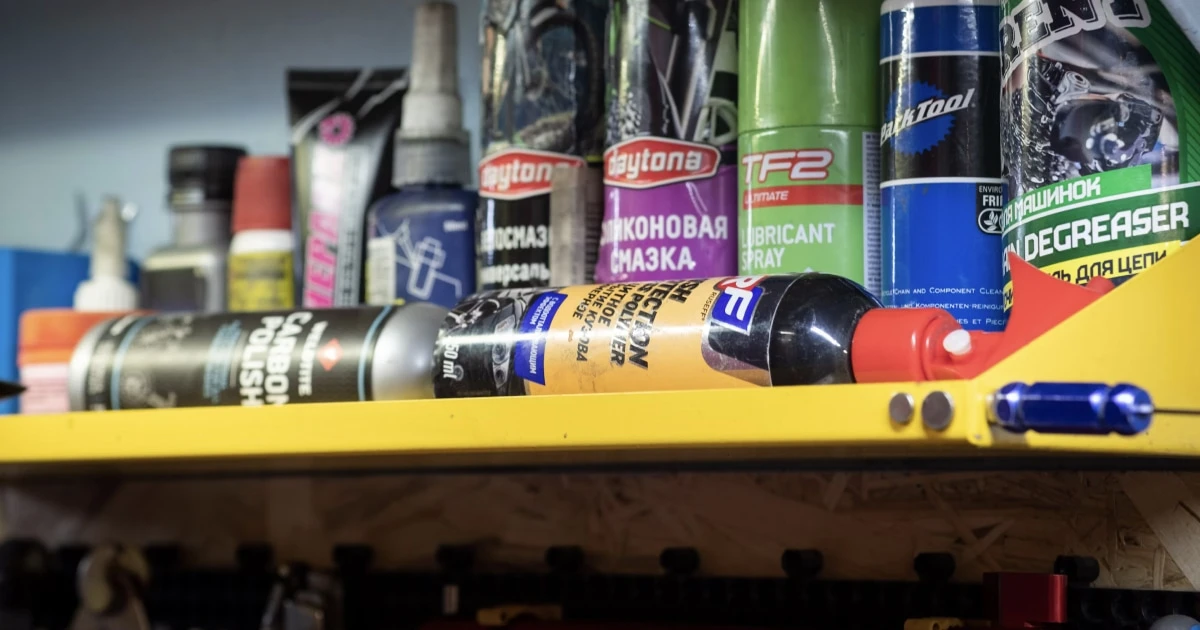
Boat Maintenance Consumables: What to Keep on Board
Boat maintenance involves more than replacing worn components. Oil, filters, lubricants, cleaning products, sealants, and other small supplies are used throughout the year to keep a boat in good condition.
Running out of the right consumable can delay a maintenance job or turn a straightforward repair into an unnecessary trip to the chandlery. Stocking every product imaginable is not the answer either: marine storage is limited, some products have a shelf life, and carrying the wrong fluid or incompatible material can cause damage.
The goal is to maintain a practical inventory of the supplies your boat actually needs.
This guide covers the main categories of boat maintenance consumables, what to consider keeping on board, how to store them, and how to avoid unnecessary purchases.
What Are Boat Maintenance Consumables?
Maintenance consumables are materials that are used up, depleted, or replaced as part of normal boat operation and maintenance.
Examples include:
- Engine oil and other specified operating fluids.
- Oil, fuel, and air-filter elements.
- Grease and approved lubricants.
- Cleaning products and corrosion-control products.
- Sealants, tapes, and thread-sealing materials.
- Fuses, cable terminals, and small electrical supplies.
- Absorbent pads and other spill-control materials.
These are different from larger spare parts such as a water pump, alternator, impeller assembly, or replacement steering component. The distinction is not always absolute: an engine filter is a consumable, for example, but it is also a replacement item you may carry as a spare.
For a broader list of replacement components and emergency repair items, see Boat Spare Parts: What to Carry.
1. Engine Oils and Operating Fluids
Engine and propulsion systems usually require the most carefully specified fluids on board. The correct product depends on the engine, gearbox, cooling arrangement, and other installed equipment.
Engine oil
Keep the grade and specification recommended by the engine manufacturer. A small reserve can be useful for topping up between checks or for a planned service, but the quantity should reflect your boat’s actual needs.
Do not choose oil solely because its viscosity looks suitable. Manufacturer specifications and any applicable approval requirements matter.
Gearbox and transmission fluids
Some boats require a separate gearbox or transmission lubricant. Others have different drive arrangements with their own fluid requirements.
Identify each system and its correct specification. Never assume that engine oil can be used in the gearbox or drive simply because both are lubricants.
Coolant and antifreeze
If your engine has a freshwater cooling circuit, use the coolant type and mixture specified by the manufacturer. Coolants can differ in chemistry and compatibility, so do not mix products without confirming that they are suitable.
Some engines are raw-water cooled and do not use the same type of closed-circuit coolant. Check the actual configuration before stocking supplies.
Other fluids
Depending on the boat, you may also need specified hydraulic fluid, steering-system fluid, or other equipment-specific products.
Before buying anything, make a list of the systems installed on board and record the required fluid specifications.
Important: Keep fluids in clearly labeled, closed containers. Never use an unidentified fluid or an improvised substitute in a safety-critical system.
2. Filters and Routine Engine-Service Items
Filters are among the most useful maintenance items to identify and stock in advance, especially when your boat operates far from a well-supplied marina.
Oil filters
Check the exact filter reference for your engine. Two engines from the same manufacturer may require different elements, and a visually similar filter is not necessarily compatible.
If you carry an oil filter as a spare, store it where its packaging and sealing surfaces will remain protected.
Fuel filters and water separators
Fuel filters help protect the engine from contamination. Depending on the installation, a boat may have a primary fuel-water separator and a secondary engine-mounted filter.
Identify the correct elements for both stages. If you operate in remote areas or have a history of fuel contamination, carrying the appropriate replacement elements may be particularly useful.
Fuel-system work requires care. Follow the engine manufacturer’s procedure, keep ignition and fire risks under control, and collect any spilled fuel safely.
Air filters
Some engines use replaceable air-filter elements, while others have different arrangements. Check the equipment manual before buying a spare or assuming that a filter needs routine replacement.
Other service items
Depending on the engine and installation, routine maintenance may also involve items such as:
- Drive belts.
- Impellers.
- Seals and O-rings.
- Anodes.
- Specific hose clips or gaskets.
These are not all consumables in the strict sense, and their replacement intervals vary. Some may be better classified as spare parts. Include them in your inventory according to the equipment fitted and the work you expect to perform.
For guidance on when to inspect or replace these items, see Boat Maintenance Schedule.
3. Grease, Lubricants, and Corrosion Protection
Lubricants help reduce friction and protect suitable components, but different parts of a boat can require different products.
Potential supplies include:
- Marine grease for compatible fittings and mechanisms.
- Lubricants specified for winches or other deck equipment.
- Approved products for particular moving mechanisms.
- Corrosion-protection products suitable for the component and environment.
Do not assume that one general-purpose grease is appropriate for every application. Some lubricants are incompatible with particular seals, plastics, metals, or other greases.
For example, winches, seacocks, steering systems, and engine components may each have specific requirements. Follow the relevant manufacturer’s instructions and avoid lubricating components that are designed to remain dry or require a different treatment.
Also distinguish corrosion protection from a repair. A protective coating or lubricant cannot correct severe corrosion, damaged wiring, a leaking fitting, or a failing structural component.
4. Cleaning Products and Boat-Care Supplies
Cleaning products are used throughout the season, from removing salt deposits after a trip to preparing the boat for winter storage.
A useful selection depends on the boat’s materials and finish.
General boat cleaning
Consider a suitable cleaner for the hull and deck, plus a product for interior surfaces. Fresh water and appropriate cloths or brushes will handle many routine cleaning tasks without requiring a large collection of chemicals.
Glass, plastics, and transparent panels
Acrylic windows and other plastic surfaces can scratch or become damaged by unsuitable solvents and abrasive products. Use products approved for the material.
Sails, canvas, and inflatable materials
Sailcloth, covers, upholstery, and inflatable tubes may need different cleaning methods. Check the manufacturer’s guidance before using a cleaner or protectant.
Freshwater systems
If your boat has a domestic freshwater system, use products specifically intended for the system and the intended application. Follow the equipment manufacturer’s guidance for cleaning, disinfection, and winterisation.
Avoid treating all boat surfaces with the same product. A cleaner that works on one material may damage another.
5. Sealants, Tapes, and Small Repair Materials
A small selection of compatible repair materials can help with non-structural jobs and minor maintenance.
Depending on the boat, useful items may include:
- Marine-grade sealant appropriate for the intended joint.
- Suitable thread-sealing products.
- Electrical insulating tape.
- Self-amalgamating tape for applications where it is appropriate.
- Cable ties in suitable sizes and materials.
- Replacement hose clips of the correct type and size.
- Small fasteners matched to the existing installation.
The most important consideration is compatibility.
Sealants differ in adhesion, flexibility, curing requirements, and suitability for submerged applications. Some products are unsuitable for particular plastics, painted surfaces, or components that may need to be removed later.
Tape and cable ties can help secure or organize suitable items, but they are not substitutes for correct fuel-line repairs, damaged electrical insulation, leaking below-waterline fittings, or structural repairs.
For any defect that could affect watertight integrity, fire safety, steering, propulsion, or other essential systems, use the appropriate repair procedure and qualified assistance when required.
6. Electrical Consumables
Electrical supplies can be useful for small, appropriate maintenance tasks, provided you know the system’s specifications.
Depending on your installation, consider stocking:
- Correctly rated replacement fuses.
- Suitable cable terminals and connectors.
- Heat-shrink tubing intended for the marine environment.
- Cable ties and cable labels.
- Electrical contact-cleaning products approved for the application.
- Spare batteries for portable equipment, where appropriate.
Choose the correct fuse
A fuse protects a circuit against excessive current. Its rating must match the circuit design and equipment requirements.
Never replace a fuse with a higher-rated one simply because the original keeps blowing. Repeated fuse failure may indicate a fault that needs diagnosis.
Use suitable connectors
Marine electrical installations can be exposed to humidity, salt, vibration, and corrosion. Choose connectors and protection methods suited to the installation, and follow the equipment manufacturer’s requirements.
Do not treat electrical tape as a complete repair for damaged cable insulation or a corroded connection.
If a fault affects charging, navigation equipment, engine starting, or another critical system, diagnose it before relying on the equipment.
7. Spill-Control and Maintenance Cleanup Supplies
Maintenance can produce oil, fuel, coolant, cleaning residues, and other waste that must be managed carefully.
Useful supplies may include:
- Oil-absorbent pads.
- Suitable disposable cloths or rags.
- A dedicated container for collecting used fluids.
- Gloves and other appropriate personal protective equipment.
- Bags or containers for contaminated waste, where permitted.
- A suitable spill kit for the risks associated with your boat.
Use absorbent materials appropriate to the substance involved. For example, oil-only absorbents are designed for petroleum products and can be useful around engines and bilges.
Prevent oil, fuel, and contaminated wash water from entering the sea or drainage systems. Collect spills promptly and dispose of used fluids and contaminated materials through the appropriate waste facilities.
Follow local environmental requirements and the instructions for the products you use.
8. How Much Should You Keep on Board?
The right stock level depends on how you use the boat.
A boat used for occasional day trips near a well-equipped marina has different needs from a cruising yacht spending weeks offshore. A motorboat with twin engines may also need a different inventory from a small sailboat with an auxiliary engine.
Consider four factors.
Access to supplies
If you can easily reach a chandlery or service provider, you may not need to carry large quantities. For remote cruising, carrying the correct filters and selected service items may be more valuable.
Equipment and failure consequences
Prioritize supplies related to routine maintenance and equipment whose failure could interrupt a trip. The appropriate stock depends on the installed systems and the owner’s ability to perform the work safely.
Storage space and conditions
Liquids and chemicals require secure storage, and some products have temperature or ventilation requirements. Do not fill a locker with supplies that cannot be stored safely.
Shelf life and usage
A product that sits unused for years may deteriorate, expire, leak, or become unsuitable. Stock quantities should reflect expected consumption and the manufacturer’s storage guidance.
A simple approach is to keep routine-use items in modest quantities and add equipment-specific supplies for longer or more remote trips.
9. Create a Boat Maintenance Consumables Checklist
Use this list as a starting point, then remove items that do not apply to your boat and add the specific supplies required by your equipment.
Engine and propulsion
- Correct engine oil.
- Required gearbox or drive fluids.
- Manufacturer-approved coolant, if applicable.
- Correct oil-filter element.
- Correct fuel-filter elements.
- Air-filter element, if applicable.
- Appropriate grease and specified lubricants.
- Equipment-specific seals, gaskets, or other service items where justified.
General maintenance
- Suitable boat cleaning products.
- Material-specific cleaners for plastics, canvas, or other finishes, if needed.
- Appropriate marine sealant.
- Suitable tapes and cable ties.
- Correct hose clips and small fasteners for known requirements.
- Manufacturer-approved corrosion-protection products.
Electrical
- Correctly rated replacement fuses.
- Suitable electrical connectors and terminals.
- Marine-appropriate heat-shrink tubing.
- Cable labels and ties.
- Replacement batteries for relevant portable equipment.
Cleanup and safety
- Oil-absorbent pads.
- Suitable gloves and protective equipment.
- Materials for safely collecting used fluids.
- Appropriate containers or bags for contaminated waste.
- Spill kit suited to the boat’s risks.
Inventory and documentation
- Product names and specifications recorded.
- Part numbers recorded for filters and other specific items.
- Expiry dates and storage requirements checked.
- Stock quantities reviewed.
- Reorder list updated.
- Maintenance records updated after use.
This checklist is intentionally broad. It is not a requirement to carry every item, and it does not replace a boat-specific maintenance plan.
10. Organize and Track Your Supplies
A maintenance inventory is only useful if you know what is on board, where it is stored, and whether it is still usable.
Label storage locations
Group supplies by purpose, such as engine service, electrical maintenance, cleaning, and spill response. Keep products in their original labeled containers whenever possible.
Secure heavy items and liquids so they cannot move around in rough conditions. Follow product-specific requirements for ventilation, temperature, and separation from incompatible substances.
Record specifications and part numbers
For each equipment-specific supply, record enough information to buy the correct replacement.
For example:
| Item | Record | Why it matters |
|---|---|---|
| Engine oil | Brand, grade, specification | Avoids using an unsuitable lubricant |
| Oil filter | Manufacturer and part number | Helps identify the exact replacement |
| Fuel filter | Part number and system location | Distinguishes primary and secondary filters |
| Fuse | Rating and circuit | Avoids incorrect replacement |
| Sealant | Product type and intended use | Helps preserve material compatibility |
| Cleaning product | Intended surface and storage guidance | Reduces the risk of material damage |
Track use and replenishment
When you use a consumable, update the inventory. Record the quantity remaining, whether it needs replacing before the next trip, and any relevant expiry or storage information.
A simple spreadsheet can be sufficient. For larger inventories, a dedicated inventory tool may make searching and updating easier.
You can use the Boat Inventory Checklist to organize equipment and supplies, and a boat maintenance log to record what was used during servicing or repairs.
11. Common Mistakes When Stocking Boat Maintenance Supplies
Avoid these frequent problems:
- Buying generic products without checking specifications. Similar-looking fluids, filters, and sealants are not necessarily interchangeable.
- Carrying too much stock. Excessive quantities consume storage space and increase the risk of expired or degraded products.
- Ignoring storage conditions. Heat, moisture, leaks, and poor ventilation can make supplies unsafe or unusable.
- Forgetting to replenish used items. A spare filter is no help if it was used during the previous service and never replaced.
- Mixing up consumables and spare parts. Maintain separate inventory categories so you can plan both routine servicing and equipment repairs.
- Keeping unidentified containers. Label products clearly and never rely on appearance to identify an unknown liquid.
- Improvising safety-critical repairs. Tape, sealant, and generic fittings are not substitutes for approved parts and repair procedures.
- Disposing of waste incorrectly. Used oil, fuel, coolant, and contaminated absorbents need appropriate handling and disposal.
The objective is not to carry a workshop on board. It is to have the right supplies for the maintenance you expect to perform, stored safely and ready when needed.
Frequently Asked Questions
What maintenance consumables should I keep on a boat?
Start with the supplies required by your installed equipment: specified oils and fluids, correct filters, suitable lubricants, basic cleaning products, and materials for safely managing small spills. Add electrical and repair consumables according to your boat’s systems and your ability to use them safely.
How much engine oil should I keep on board?
There is no universal quantity. Consider the engine’s requirements, the amount needed for a top-up or planned service, your expected cruising area, and safe storage space. Use only oil that meets the engine manufacturer’s specification.
Are boat maintenance consumables the same as spare parts?
No. Consumables are generally used up during maintenance or normal operation, while spare parts are replacement components kept in reserve. Filters, seals, belts, and impellers may sit near the boundary between the two categories, so organize your inventory in the way that best supports your maintenance plan.
How often should I check my maintenance supplies?
Check stock before longer trips and scheduled maintenance, and update it whenever an item is used. Review storage conditions, product shelf life, and expiry dates during routine boat inspections.
Can I use automotive products on a boat?
Some products may be suitable, but do not assume that an automotive product is compatible with marine equipment. Check the equipment manufacturer’s specifications and the product’s intended application, especially for engine fluids, electrical components, sealants, and materials exposed to salt water.
How should I dispose of used boat maintenance products?
Follow the product label and local waste rules. Collect used oil, fuel, coolant, and contaminated absorbents separately as required, and take them to an appropriate collection facility. Do not discharge maintenance waste into the water.
Build a Practical Maintenance Inventory
A well-managed stock of boat maintenance consumables helps you prepare for routine service, avoid unnecessary purchases, and reduce delays when a small job needs attention.
Start with the fluids, filters, and supplies specified for your actual equipment. Record product references, store everything safely, and replenish items as you use them. Then review your inventory alongside your boat maintenance schedule and boat maintenance log.
For trip-related observations, routes, locations, notes, and photos, Skipper helps you keep a record of your time on the water. Combine that trip history with a dedicated maintenance record and an up-to-date inventory to build a more complete picture of your boat’s use and upkeep.
Remember your days at sea
Skipper is a ship’s log app for sailboats and powerboats, available on iPhone and iPad. It records every trip with GPS and keeps your whole sailing history in one searchable logbook. Free for your first three trips.

Keep reading

Boat Inventory Checklist: Everything to Keep Track of on Board
Use this boat inventory checklist to organize safety equipment, tools, spare parts, documents and supplies, and keep your onboard inventory up to date.
All boaters
Boat Maintenance Schedule
Build a practical boat maintenance schedule with recurring checks for the hull, engine, batteries, safety equipment, rigging and onboard systems.
All boaters
Boat Spare Parts: What to Carry on Board
Build a practical boat spare parts kit with essential engine, electrical, plumbing, and sailing components. Learn what to carry based on your boat and cruising plans.
All boaters