 Skipper
Improve
•All boatersHow to Keep a Boat Maintenance Log
Learn how to keep a boat maintenance log, record repairs and engine hours, organize receipts, track replacement parts, and build a reliable service history.
How to Keep a Boat Maintenance Log
A boat maintenance log is the record of what has been inspected, serviced, repaired, or replaced on your boat. It helps you remember when work was done, understand recurring problems, identify upcoming maintenance, and provide a clear service history when a mechanic or future buyer needs it.
Without a reliable record, even routine jobs can become guesswork. Was the impeller replaced last season or the season before? Which oil grade did the mechanic use? Was that small leak repaired, or was it simply noted for later?
A consistent maintenance log answers these questions with facts instead of memory.
This guide explains what to record, how to organize your entries, and how to build a maintenance history you will actually keep up to date.
What Is a Boat Maintenance Log?
A boat maintenance log is a chronological record of maintenance activities and their results. It can cover the engine, hull, rigging, electrical systems, plumbing, safety equipment, electronics, and any other equipment installed on board.
It should document more than completed repairs. Inspections, defects, parts replaced, test results, and work that still needs attention can all be valuable entries.
A maintenance log is different from a maintenance schedule:
- Maintenance schedule: what needs to be checked or serviced, and when.
- Maintenance log: what was actually checked or serviced, when it happened, and what was found.
The two work together. Use a boat maintenance schedule to plan upcoming work and a maintenance log to preserve the history of what happened.
Why Keep a Boat Maintenance Log?
1. Know what has already been done
A written record prevents you from relying on memory when planning routine service. It also makes it easier to identify whether a component has been replaced recently or is approaching its next service interval.
2. Spot recurring problems
One inspection may reveal a small amount of corrosion or a minor leak. Repeated entries can show whether the problem is getting worse, returning after repairs, or affecting several related components.
Record observations even when they do not require immediate action.
3. Make maintenance easier to plan
Service history helps you compare the last maintenance date or engine-hour reading with the manufacturer’s recommended interval. You can then identify work that is due by time, engine hours, season, or condition.
For a practical approach to planning, see Boat Maintenance Schedule.
4. Help mechanics diagnose faults
A mechanic can work more efficiently when you can explain what changed, when the problem began, and which parts were recently replaced.
Include symptoms, warning messages, unusual noises, fluid leaks, and any troubleshooting already performed. Distinguish what you observed from what a mechanic confirmed.
5. Keep a useful ownership history
An organized service history helps you explain how the boat has been maintained. Receipts, inspection reports, and detailed entries can help answer questions during a survey, sale, insurance discussion, or handover to a new owner.
A maintenance log does not guarantee a higher resale price or prove that every repair was performed correctly. It does, however, make the documented history easier to understand and verify.
What to Record in a Boat Maintenance Log
The best entries are specific enough that you or another person can understand them months or years later.
For each maintenance task, record the following information.
| Field | What to record | Example |
|---|---|---|
| Date | When the work was completed | 10 October 2026 |
| System or component | What was inspected or serviced | Main engine |
| Engine hours | Meter reading, when relevant | 428.6 hours |
| Work performed | The exact task completed | Replaced engine oil and oil filter |
| Parts and consumables | Product, specification, part number, and quantity | Filter part number, oil grade, quantity |
| Findings | Wear, defects, measurements, or other observations | Old belt showed cracking |
| Person responsible | Owner, crew member, mechanic, or service yard | Marine mechanic |
| Cost | Parts, labor, and other relevant charges | €180 |
| Supporting documents | Receipt, invoice, report, or photos | Invoice attached |
| Follow-up | Outstanding work or next service requirement | Recheck belt tension after initial run |
Not every field applies to every task. Engine hours matter for engine-related work, while a hull inspection or replacement of a safety-equipment item may be better tracked by date and condition.
The goal is a consistent record, not unnecessary paperwork.
How to Record Engine Hours Correctly
Engine hours are particularly important because many engine maintenance tasks depend on running time as well as calendar time.
For each engine-related service, record:
- The engine’s hour-meter reading when the work was done.
- The specific engine serviced, especially on twin-engine boats.
- The maintenance performed and parts replaced.
- Any abnormal readings, symptoms, or findings.
- The next service interval specified by the manufacturer, when known.
If your boat has separate port and starboard engines, record their readings separately. Do the same for a generator or other equipment with its own hour meter.
If an hour meter is replaced or stops working, document the date, the last known reading, the new meter reading, and any uncertainty. Never present an estimate as a confirmed reading.
Follow the engine manufacturer’s manual for service intervals. Do not assume that all engines use the same interval, or that an hour-based interval removes the need for calendar-based maintenance.
For more detail, read How to Track Engine Hours on a Boat.
Organize Your Log by Boat System
A single chronological list is a good starting point. To make a long history easier to search, assign each entry to a system or component.
Engine and propulsion
Record oil and filter changes, fuel-filter replacements, cooling-system inspections, belt replacements, gearbox or drive maintenance, and any repairs.
Include the relevant engine hours, fluid specifications, part numbers, and service documents.
Hull and underwater equipment
Document hull inspections, antifouling, anode replacements, through-hull fittings, seacocks, propellers, shafts, and any damage or repairs.
When the boat is hauled out, keep relevant inspection reports and photographs with the maintenance history.
Rigging and sails
For sailing boats, record rigging inspections, standing and running rigging repairs, winch servicing, sail repairs, and any concerns about wear or damage.
Note the component involved and whether further inspection by a qualified professional is recommended.
Electrical and plumbing systems
Track battery replacements, charging-system issues, electrical repairs, pump servicing, hose replacements, leaks, and other work.
Where useful, record test results such as battery voltage or charging measurements, including the conditions under which they were taken.
Safety equipment
Record relevant inspections, servicing, replacements, and expiry dates for equipment such as life rafts, fire extinguishers, flares, and emergency beacons.
Follow the applicable equipment instructions and local requirements. A log entry does not replace required servicing, certification, or physical inspection.
Trailer and shore-side equipment
If you trailer your boat, maintain separate records for trailer bearings, brakes, tyres, lights, and other components. Keep the records connected to the same ownership file, but do not confuse trailer maintenance with work performed on the boat itself.
Example of a Boat Maintenance Log
The following fictional examples illustrate how entries can capture completed work and inspection findings.
| Date | System | Hours | Work and findings | Follow-up |
|---|---|---|---|---|
| 12 May | Engine | 412.0 | Engine oil and filter replaced; oil grade and filter reference recorded | Check next interval in engine manual |
| 12 May | Cooling system | 412.0 | Cooling-water flow checked; no visible issue during inspection | Continue routine checks |
| 18 May | Electrical | — | Battery terminals inspected and cleaned | Recheck connections during next inspection |
| 2 June | Hull | — | Small area of coating damage noted during haul-out | Assess and repair before relaunch |
| 10 June | Safety equipment | — | Life-raft service documentation filed | Record the next service date from the service provider |
These examples are not universal maintenance recommendations. Actual tasks, intervals, and follow-up depend on your boat, equipment, manufacturer instructions, operating conditions, and inspection results.
Notice that the entries distinguish completed work from observations and planned follow-up. That distinction prevents an item that was merely inspected from being mistaken for one that was repaired.
Keep Receipts, Invoices, and Photos With the Record
The written entry tells you what happened. Supporting documents help substantiate it.
Keep the following when available:
- Parts receipts and invoices.
- Service reports from mechanics and boatyards.
- Warranty documentation.
- Inspection and survey reports.
- Photographs of damaged components, repairs, or unusual findings.
- Product references and specifications for replacement parts.
Use a consistent naming convention so documents can be found later. For example:
2026-05-12_engine-oil-service_invoice.pdf
A photo is especially useful when it captures the condition of a component before replacement, the completed repair, or a defect that needs monitoring.
For consumables and replacement components, record the product reference and quantity where practical. This makes repeat orders easier and helps you understand which items have been used on your boat. See Boat Maintenance Consumables and Boat Spare Parts: What to Carry.
Paper Logbook, Spreadsheet, or Digital Record?
There is no single best format for every boat owner. Choose a system you can update reliably and retrieve when you need it.
Paper logbook
A notebook or binder is simple, works without power, and can be kept on board.
Its main limitations are searching, backing up, and attaching supporting documents. Use dated entries, a consistent structure, and a separate section for invoices and reports.
Spreadsheet
A spreadsheet makes it easy to sort entries by date, component, cost, or engine hours. It is also a practical way to maintain a parts list or summarize annual maintenance spending.
Its limitations are that attachments may live elsewhere, and it can become difficult to maintain if different people use inconsistent formats. Keep a backup and use a consistent naming system for referenced documents.
Digital maintenance records
A digital system can make it easier to store photographs and documents alongside entries, search past work, and share a history with another person.
Before choosing a tool, check that it supports the records you need, can be accessed where you work on the boat, and offers a reliable way to export or back up your data.
You can also keep a paper record on board and maintain a digital copy for backup. The most effective system is the one that remains complete over time.
How to Start a Boat Maintenance Log
If you have never maintained a formal record, you do not need to reconstruct every detail of the boat’s history before starting.
Follow this process.
Step 1: Identify the boat and its equipment
Record the boat’s identifying details and list its major systems. Include engine make and model, serial numbers where useful, installed equipment, and relevant manuals.
For multiple engines or similar components, use identifiers that make each one unambiguous.
Step 2: Collect existing records
Gather available invoices, service reports, inspection records, and notes from previous owners or mechanics.
Enter the dates and details you can verify. If information is missing, mark it as unknown rather than assuming that a task was completed.
Step 3: Record the current condition
Document the current engine-hour readings where applicable, known defects, outstanding repairs, and relevant inspection findings.
Photographs can help establish a useful baseline.
Step 4: Create one entry for every job
Use the same fields each time. Describe the work specifically, record relevant readings, and attach the supporting documents.
If several unrelated tasks are completed during one boatyard visit, create separate entries for the affected systems while keeping the original invoice.
Step 5: Record outstanding work
Not every issue can be fixed immediately. Record defects that need further investigation, parts that must be ordered, and recommendations from a mechanic.
Where possible, specify the next action, who is responsible, and when it should be reviewed. Do not treat an unresolved safety-critical defect as a routine reminder; obtain the appropriate professional assessment before relying on the affected equipment.
Step 6: Review the history regularly
Review the log before the season, after major trips or maintenance visits, and when preparing the boat for storage.
Compare completed work with your maintenance schedule, confirm outstanding tasks, and update the record whenever new work is carried out.
Common Boat Maintenance Logging Mistakes
A maintenance log is only useful if the entries are accurate and understandable.
Avoid these common mistakes:
- Writing vague descriptions. “Engine serviced” is less useful than a list of the work actually completed.
- Forgetting engine hours. Record them for relevant engine and propulsion work.
- Recording only replacements. Inspections and defects can reveal important changes even when nothing is replaced.
- Losing supporting documents. Keep invoices, service reports, and photographs organized and backed up.
- Mixing different engines or components. Identify exactly which item received the work.
- Treating recommendations as completed repairs. Record the difference between work proposed, work authorized, and work finished.
- Guessing missing history. Mark uncertain dates and readings clearly.
- Never reviewing old entries. Use the record to identify unresolved issues and compare actual work with the maintenance schedule.
Consistency matters more than complexity. A short, accurate entry made on the day of the work is usually more valuable than a detailed record reconstructed months later.
Use Your Boat Logbook to Preserve Trip Observations
A maintenance log records servicing and repairs, but some maintenance clues appear during normal boating.
A change in engine behavior, an unusual vibration, a steering concern, or a leak noticed after a passage may be worth documenting. Record what you observed, when it happened, the operating conditions, and any action taken. Avoid assuming a cause until it has been established.
The Skipper logbook app helps you document boating trips with GPS tracks, route and trip statistics, locations, notes, and photos. You can use those trip records to preserve useful context about when and where an observation occurred.
Skipper is a trip logbook, not a dedicated maintenance-management system. Keep formal service records, maintenance intervals, invoices, and outstanding repair tasks in a system suited to those needs.
Frequently Asked Questions
What should a boat maintenance log include?
At minimum, record the date, system or component, work performed, relevant engine hours, parts and fluids used, inspection findings, person responsible, and supporting documents. Add costs and follow-up actions when useful.
How often should I update my boat maintenance log?
Update it whenever work is performed or an inspection produces a meaningful finding. Record engine hours consistently and review the log regularly against your maintenance schedule.
Can I use a spreadsheet as a boat maintenance log?
Yes. A spreadsheet can be effective if it uses consistent fields, distinguishes individual systems, and references supporting documents clearly. Keep a separate backup.
Should I record routine inspections if no problem is found?
Yes. A dated inspection record can establish when a component was checked and what was observed. Be precise about what was actually inspected rather than recording a general check that may not have taken place.
Does a maintenance log replace the owner’s manual?
No. The owner’s manual and equipment documentation remain the primary references for maintenance procedures, specifications, and service intervals. The log records what was done and what was found.
Is a boat maintenance log the same as a boat logbook?
Not necessarily. A boat logbook often records trips, positions, weather, crew, and operational events. A maintenance log focuses on servicing, inspections, repairs, parts, and technical history. Some owners maintain separate records; others use a broader logbook alongside dedicated maintenance records.
Build a Maintenance History You Can Trust
A good boat maintenance log does not need to be complicated. Record each job promptly, identify the component, capture relevant readings, keep the supporting documents, and distinguish completed work from outstanding issues.
Over time, these small entries create a useful technical history that supports better maintenance decisions, more informed conversations with mechanics, and a clearer picture of how your boat has been cared for.
Pair that history with a boat maintenance schedule so that you can plan future work as well as document the past.
Remember your days at sea
Skipper is a ship’s log app for sailboats and powerboats, available on iPhone and iPad. It records every trip with GPS and keeps your whole sailing history in one searchable logbook. Free for your first three trips.

Keep reading

Boat Expenses: A Complete Budget Guide
Learn how to track boat expenses, organize maintenance and fuel costs, build an annual boating budget, and calculate the true cost of owning a boat.
All boaters
Boat Inventory Checklist: Everything to Keep Track of on Board
Use this boat inventory checklist to organize safety equipment, tools, spare parts, documents and supplies, and keep your onboard inventory up to date.
All boaters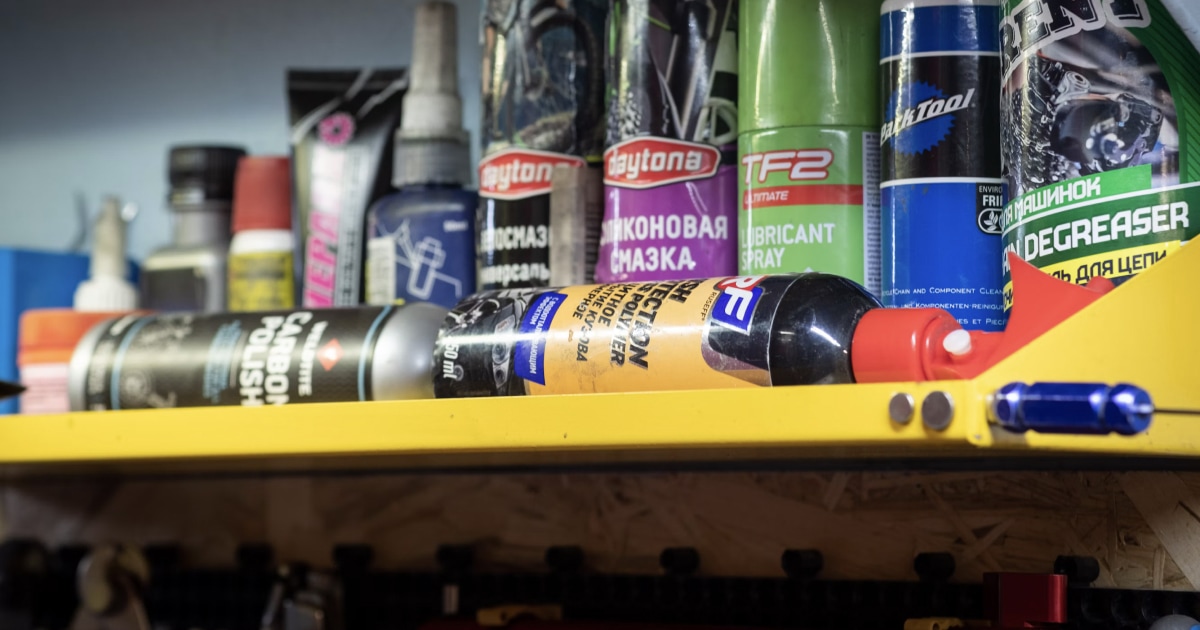
Boat Maintenance Consumables: What to Keep on Board
Discover the essential boat maintenance consumables to stock, from engine oil and filters to lubricants, sealants, electrical supplies, and cleaning products.
All boaters