 Skipper
Improve
•All boatersBoat Spare Parts: What to Carry on Board
Build a practical boat spare parts kit with essential engine, electrical, plumbing, and sailing components. Learn what to carry based on your boat and cruising plans.
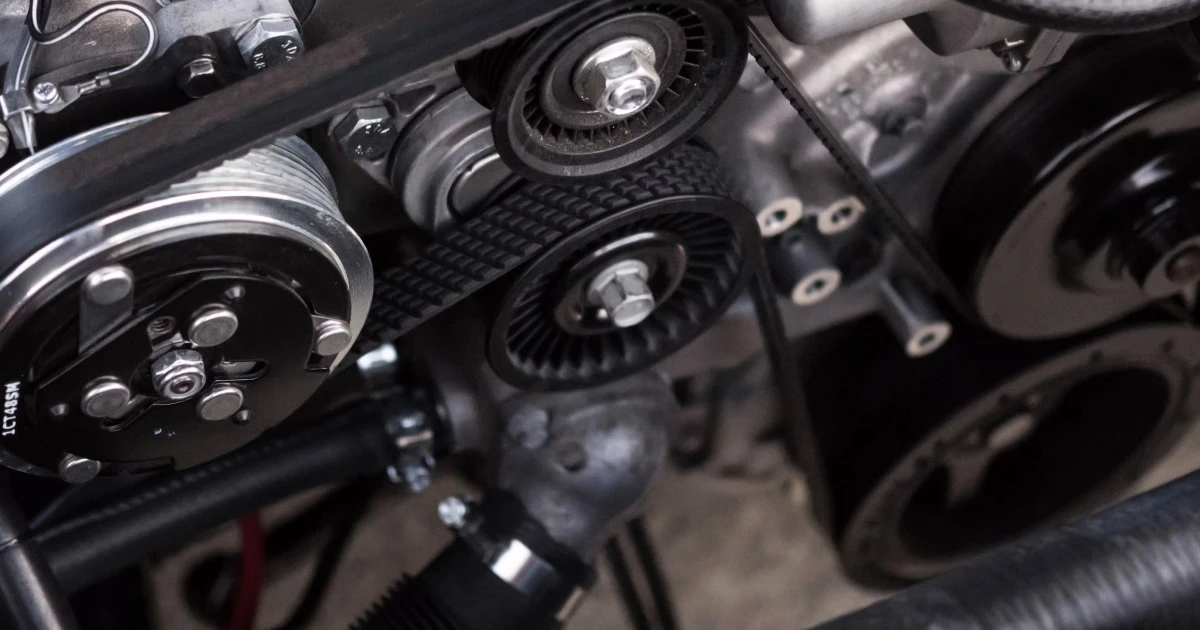
Boat Spare Parts: What to Carry on Board
A small spare part can make the difference between continuing a trip and waiting for assistance at a marina. A replacement filter, the correct fuse, or a suitable hose clamp may solve a straightforward problem quickly. Without it, even a relatively minor fault can become an expensive delay.
But carrying every possible spare is neither practical nor necessary. Boats have limited storage space, components vary by model, and some repairs require specialist tools or professional expertise.
The aim is to build a boat spare parts kit around your actual equipment, the way you use your boat, and how far you expect to travel from repair services.
This guide explains which spares to consider for engines, electrical systems, plumbing, and sailing equipment, how to prioritize them, and how to keep your inventory organized.
Why Carry Spare Parts on a Boat?
Spare parts are useful when a component fails, wears out, or needs replacement during a trip. Having the correct item available can reduce downtime and help you address certain problems without waiting for a delivery or a service appointment.
The value of a spare depends on several factors:
- Likelihood of failure: Is the component subject to wear or routine replacement?
- Consequence of failure: Could the fault prevent the boat from operating or compromise an essential system?
- Availability: Is the correct part easy to find at your next stop?
- Storage requirements: Can you carry it safely without excessive weight or clutter?
- Repairability: Can you replace it safely with the tools and skills available on board?
A spare part is not a substitute for preventive maintenance. Inspect equipment regularly, address defects before departure, and follow the manufacturer’s maintenance schedule.
For a broader approach to preparing your boat, see Boat Maintenance Schedule.
1. Engine Spare Parts
Engine-related spares are particularly relevant on motorboats and on sailboats that rely on an auxiliary engine for manoeuvring, charging, or motoring.
The right selection depends on the engine model, installation, age, service history, and intended cruising area.
Fuel filters
A replacement fuel-filter element can be useful if contamination or a blocked filter interrupts fuel delivery.
Before buying one, identify every filter fitted to the system. Some installations have a primary fuel-water separator as well as a secondary engine filter.
Record the correct part numbers and keep any necessary seals with the relevant filter. Follow the manufacturer’s procedure for replacing and bleeding the system.
Oil filters
An oil filter is often a practical spare for an engine that you service yourself or operate far from marine service facilities.
Choose the exact compatible element. A filter that appears to fit is not necessarily correct for the engine.
If you carry a spare, protect it from moisture and damage, and keep its packaging or reference information so you can identify it later.
Impeller
Some marine engines use a flexible impeller in their raw-water cooling pump. An impeller can wear or become damaged, potentially affecting cooling-water flow.
If your engine uses this type of pump, carrying the correct replacement may be worthwhile for longer trips. Check the pump design, part number, and manufacturer’s instructions.
Replacing an impeller requires the appropriate tools and an understanding of the cooling system. If you cannot perform the job safely, a spare may still help a mechanic complete the repair sooner.
Drive belts
Depending on the engine installation, a replacement drive belt may be useful. A failed belt can affect equipment driven by that belt, which may include the alternator or a coolant pump on some engines.
Check the belt specification and routing before departure. Carrying the correct belt is more useful than carrying a generic belt that may not fit.
Other engine-specific spares
Depending on your engine and maintenance plan, consider whether it makes sense to carry:
- Selected gaskets and O-rings.
- An appropriate replacement hose or connection component.
- Manufacturer-specified small service parts.
- Spare engine anodes, if applicable and appropriate for the installation.
- A replacement starter or other major component only when the boat’s needs justify it.
These items are not universally necessary. Consult your engine manual and service history before assembling a kit.
For related guidance, see How to Track Engine Hours on a Boat and Boat Maintenance Consumables.
2. Electrical Spare Parts
Electrical faults can affect starting, charging, lighting, navigation equipment, pumps, and communications. A small selection of compatible electrical spares may help with minor, diagnosable problems.
Replacement fuses
Carry the fuse types and ratings used by your installed equipment. Record where each fuse belongs and keep the correct replacements together.
Never replace a fuse with a higher-rated one simply because the original keeps blowing. Repeated failures may indicate a short circuit, overload, or another fault that needs investigation.
Connectors and terminals
Depending on your electrical installation and repair skills, useful supplies may include suitable cable terminals, connectors, and heat-shrink tubing designed for the marine environment.
Choose components that match the wire size, current requirements, and environmental conditions.
Bulbs and small lighting components
If your boat uses replaceable bulbs, identify the correct types for relevant fixtures. Some modern lights use integrated LED assemblies instead, so check the equipment before buying spares.
Navigation lights are safety-critical equipment. If a required light fails, follow the applicable rules and do not assume a temporary improvised repair is adequate.
Batteries for portable equipment
Small replacement batteries may be useful for portable devices, torches, and other equipment, where applicable. Check battery type, storage conditions, and expiry information.
A spare battery for a handheld device is not the same as a backup power source for the boat’s essential electrical systems. Plan those systems separately.
3. Plumbing and Bilge-System Spares
Water systems contain hoses, clamps, pumps, seals, and valves that can wear, loosen, or leak.
A small leak may be manageable, but a leak through a below-waterline fitting can become a serious emergency. Choose spares according to the actual system and understand which failures require immediate professional attention.
Hose clamps
Carry suitable replacement clamps for hoses that are important to your installation. Select the correct size and material for the location, and avoid mixing incompatible metals or using unsuitable fasteners.
A clamp that fits around a hose is not automatically appropriate for a marine environment.
Hose sections and connectors
A short replacement section of the correct hose may be useful if a suitable hose fails. Keep track of the hose’s purpose, dimensions, pressure or temperature rating where relevant, and material compatibility.
Do not substitute an ordinary hose for one designed for fuel, exhaust, potable water, or another specialized application.
Pump-related parts
Depending on the installed system, a spare diaphragm, seal, strainer, or other serviceable component may be useful for a freshwater pump, bilge pump, or another onboard pump.
Check the pump model and whether the manufacturer supplies service kits. Carrying a complete replacement pump may be more practical for some small installations, while others need specialist replacement parts.
Valves and through-hull fittings
These components require particular care because some are connected directly to the sea.
Do not treat a spare hose clamp or a piece of generic hose as a complete solution to a damaged through-hull fitting or seacock. Understand the system’s shutoff arrangements, keep relevant tools accessible, and obtain professional assistance where needed.
4. Spare Parts for Sailboats
Sailboats have additional components exposed to load, vibration, salt, and repeated movement. The right spares depend on the rig, sail plan, deck hardware, and type of sailing.
Small rigging hardware
Depending on your boat, consider carrying selected items such as:
- Compatible shackles.
- Replacement pins and retaining clips.
- Suitable fasteners for non-structural deck fittings.
- Spare blocks or small hardware for systems where failure would interrupt sailing.
- Replacement line for appropriate non-critical uses.
Record dimensions, working-load requirements, and compatibility. A small part that looks similar may not be suitable for the load or application.
Sail-repair materials
A sail-repair kit may include sail-repair tape, suitable thread, needles, and patches appropriate to your sailcloth.
Such supplies can be useful for minor damage. They are not a substitute for professional sail repair when damage is extensive or affects a heavily loaded area.
Running rigging
Consider the condition and service history of halyards, sheets, control lines, and other running rigging before departure.
Carrying a length of suitable line can be useful for certain contingencies, but diameter, construction, stretch characteristics, and strength must suit the application.
Winches and deck equipment
Some deck equipment has manufacturer-specific service kits, seals, pawls, springs, or other small parts.
Only carry these if you know the installed model, understand the service procedure, and can store the parts securely. A spare kit does not remove the need for correct tools or technical knowledge.
For background on sailing systems and crew tasks, see Crew Roles on a Sailing Yacht and Sails and Wind: Choosing the Right Sail Plan.
5. Spare Parts for Motorboats
Motorboats share many engine, electrical, and plumbing requirements with sailboats, but their propulsion arrangements may be different.
Outboard engines
For an outboard, check the manufacturer’s recommendations and consider whether your use justifies carrying:
- The correct spark plugs, where applicable.
- Suitable fuel-filter elements.
- An impeller or service kit, if appropriate for the model.
- Selected engine-specific seals or small service parts.
- A compatible spare propeller for situations where propeller damage is a realistic risk.
A spare propeller is not useful without the correct fitment and the ability to replace it safely. The need varies with operating area, depth, underwater hazards, and access to repair services.
Inboard engines and sterndrives
These installations may require different filters, belts, seals, anodes, or drive-specific service parts. Identify the exact engine and drive models before assembling the inventory.
Do not assume that two boats with similar engines use identical filters or drive components.
Fuel-system components
Fuel-system spares must be selected with particular care. Use parts rated for the specific fuel and application, and follow the manufacturer’s procedures.
Fuel leaks and gasoline vapours can create serious fire and explosion hazards. Do not attempt repairs unless you can do so safely and in accordance with the applicable instructions.
6. Tools and Supplies to Support Your Spares
Spare parts alone do not guarantee that a repair can be completed. The right tools, consumables, and documentation are also important.
Depending on your boat and skills, consider carrying:
- The correct spanners, sockets, and screwdrivers for installed equipment.
- Pliers and suitable cutting tools.
- A multimeter, if you know how to use it safely.
- A headlamp or reliable work light.
- Appropriate gloves and eye protection.
- Cable ties and suitable repair tapes.
- Manufacturer-approved lubricants and cleaning materials.
- A means of collecting spills and contaminated waste.
Keep tools and repair materials secured so they cannot move around or become difficult to access in rough conditions.
For more on the supplies used during routine maintenance, see Boat Maintenance Consumables.
7. Prioritize Spares by Your Type of Trip
The ideal inventory changes according to how far you travel, how long you stay away, and how easily you can access assistance.
Day trips close to a marina
For short trips near repair facilities, a compact selection of common, equipment-specific spares may be enough. Prioritize items that are small, straightforward to replace, and relevant to known weaknesses or routine maintenance.
Do not confuse repair spares with required safety equipment. Check that your mandatory equipment is complete, suitable for your navigation area, and in good condition.
Coastal cruising
For multi-day coastal trips, consider carrying the engine filters, belts, impeller, fuses, and other spares that are appropriate to your installation and could otherwise delay the voyage.
Review likely stops and the availability of chandlers or service providers. A part that is easy to source in a large marina may be harder to find at a remote anchorage.
Offshore or remote cruising
For longer passages, prioritize components based on the consequences of failure, the boat’s redundancy, and the distance from professional assistance.
A remote-cruising inventory may include more extensive engine, electrical, plumbing, and rigging spares, but it should be designed around the actual boat and the crew’s ability to install them.
More parts are not automatically safer. Excessive stock adds weight, consumes storage space, and can create false confidence if the crew lacks the tools or knowledge to use it.
Rental or shared boats
If you are using a charter boat or a shared vessel, check the owner’s procedures and inventory before adding or replacing anything. Do not make unauthorized changes to installed systems.
For a broader pre-departure review, see Sailing Passage Checklist.
8. How to Build a Boat Spare Parts Checklist
Start with the manufacturer’s documentation for your engine, propulsion system, and other installed equipment. Then review maintenance history and identify the parts most likely to be useful for your planned trips.
Use the following as a starting point, not as a universal list.
Engine and propulsion
- Correct oil-filter element.
- Correct fuel-filter elements.
- Compatible impeller or service kit, where applicable.
- Correct drive belt, where applicable.
- Selected engine-specific seals, gaskets, or service parts.
- Appropriate propeller-related spares, where justified by the installation and operating area.
Electrical
- Correctly rated fuses for installed equipment.
- Compatible electrical connectors and terminals.
- Appropriate replacement bulbs, if fitted.
- Batteries for relevant portable equipment.
- Selected wiring-repair supplies appropriate to the installation.
Plumbing and bilge systems
- Suitable hose clamps.
- Compatible hose section for a known application, if practical.
- Pump service kit or selected pump parts, where appropriate.
- Relevant seals and small connectors.
- Suitable spill-control materials.
Sailboat-specific items
- Compatible shackles and retaining clips.
- Selected rigging hardware for installed systems.
- Suitable spare line for identified uses.
- Sail-repair tape and materials.
- Manufacturer-specific deck-equipment service parts, if justified.
Tools and documentation
- Tools required for the selected spares.
- Relevant equipment manuals.
- Part numbers and supplier references.
- Maintenance and repair history.
- Storage locations recorded in the inventory.
- Appropriate protective equipment and cleanup supplies.
Remove any item that does not apply to your boat. Add model-specific parts recommended by the manufacturer or identified through maintenance history.
9. Organize Your Spare Parts Inventory
A box full of unlabelled parts is difficult to use when a problem occurs. Organize the inventory so you can identify the correct component quickly.
Label every part
Record the name, part number, intended equipment, and quantity. If two similar items fit different engines or systems, label them separately.
Where possible, retain the original packaging or documentation.
Store parts by system
Group parts into labeled containers such as:
- Engine and propulsion.
- Electrical.
- Plumbing and bilge.
- Sailing and deck hardware.
- Tools and repair supplies.
Keep items dry and secure. Follow storage requirements for rubber components, batteries, fluids, and other materials that may deteriorate under unsuitable conditions.
Record quantities and locations
For each part, track:
| Field | Example |
|---|---|
| Part name | Fuel filter |
| Part number | Manufacturer reference |
| Compatible equipment | Main engine model |
| Quantity on board | 1 |
| Storage location | Engine-spares box |
| Last checked | Inspection date |
| Reorder status | Replace after use |
The example is a record format, not a specific filter recommendation.
Replenish after use
When you install a spare, update the inventory and decide whether it needs replacing before the next trip.
Also record the repair in your boat maintenance log. That creates a link between the part you used, the fault you addressed, and the work performed.
10. Common Mistakes When Carrying Boat Spares
Avoid these common problems:
- Buying parts without checking compatibility. Similar-looking components may differ in dimensions, material, rating, or fitment.
- Carrying spares without the tools to install them. A replacement component may be useless if you cannot access or fit it.
- Ignoring maintenance history. Known recurring problems can help identify which spares are most relevant.
- Taking too many parts. Unnecessary inventory consumes space and adds weight.
- Storing parts poorly. Moisture, heat, vibration, and damaged packaging can degrade components.
- Forgetting to replenish used spares. Update the inventory immediately after a part is installed.
- Attempting repairs beyond your competence. Some faults require professional assistance even when the replacement part is on board.
- Confusing spare parts with safety equipment. Spare components do not replace the safety equipment required for your boat and navigation area.
The best inventory is specific, maintained, and usable by the people on board.
Frequently Asked Questions
What spare parts should I carry on a boat?
Start with the correct engine filters and other model-specific service items, then consider fuses, suitable hose clamps, and selected plumbing, electrical, or rigging components. The right list depends on the boat, installed equipment, trip length, and access to repair services.
Do I need spare parts for every component on my boat?
No. Prioritize components that are likely to fail, are difficult to source, or could interrupt a trip. Large, expensive, or safety-critical components may be better handled through professional support rather than carried as spares.
Should I carry spare engine filters?
Correct oil and fuel filters can be useful, particularly for longer trips and remote cruising. Verify the part numbers for the exact engine and fuel-system arrangement, and follow the manufacturer’s replacement procedure.
What spare parts should a sailboat carry?
In addition to appropriate auxiliary-engine spares, consider compatible shackles, selected rigging hardware, suitable spare line, and sail-repair materials. Structural rigging damage or other safety-critical faults may require professional assessment.
How should I store spare parts on a boat?
Store parts in secure, labeled containers, grouped by system. Keep a record of part numbers, quantities, compatibility, and storage locations. Protect components from moisture and follow any specific storage instructions.
How often should I check my spare parts inventory?
Review it before longer trips and during routine maintenance inspections. Replenish items after use, check for corrosion or damage, and confirm that stored components remain suitable for the equipment.
Build a Spare Parts Kit That Fits Your Boat
A good boat spare parts kit is not the largest one. It is the one that contains the right components for your equipment, your planned navigation, and the repairs you can realistically carry out.
Start with manufacturer recommendations, review past maintenance and failures, and prioritize parts that are compact, compatible, and difficult to source when away from port. Keep the inventory labeled and update it whenever a component is used.
Pair your spare-parts inventory with a boat maintenance schedule and a boat inventory checklist to keep your equipment and maintenance records organized.
Use Skipper to document trips, routes, locations, notes, and photos. Combined with a dedicated maintenance log and spare-parts inventory, those records help you build a clearer history of how your boat is used and maintained.
Remember your days at sea
Skipper is a ship’s log app for sailboats and powerboats, available on iPhone and iPad. It records every trip with GPS and keeps your whole sailing history in one searchable logbook. Free for your first three trips.

Keep reading

Boat Inventory Checklist: Everything to Keep Track of on Board
Use this boat inventory checklist to organize safety equipment, tools, spare parts, documents and supplies, and keep your onboard inventory up to date.
All boaters
Boat Maintenance Consumables: What to Keep on Board
Discover the essential boat maintenance consumables to stock, from engine oil and filters to lubricants, sealants, electrical supplies, and cleaning products.
All boaters
Boat Maintenance Schedule
Build a practical boat maintenance schedule with recurring checks for the hull, engine, batteries, safety equipment, rigging and onboard systems.
All boaters