 Skipper
Prepare
•All boatersBoat Provisioning for a Sailing Trip: Food, Water and Supplies
Plan food, drinking water and essential supplies for a sailing trip. Use practical provisioning lists, meal-planning tips and storage advice for day sails and longer cruises.
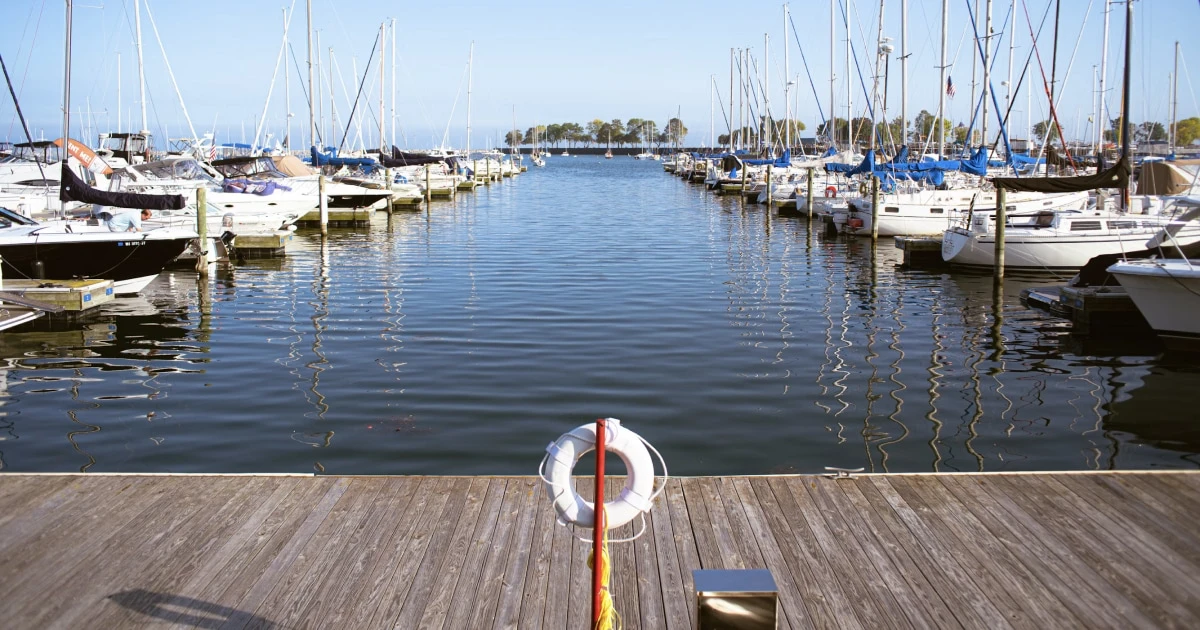
Boat Provisioning for a Sailing Trip: Food, Water and Supplies
Provisioning a sailboat means organising the food, drinking water and everyday supplies needed for a trip. Good provisioning makes life on board easier, reduces unnecessary stops, limits food waste and helps ensure that the crew has what it needs if the weather changes or the passage takes longer than expected.
The challenge is different from shopping for home. Space is limited, refrigeration may be smaller, cooking can be difficult underway, and the next shop may be hours or days away.
The best approach is simple: plan meals around the trip, calculate quantities for the crew, store everything safely and keep a reserve for unexpected delays.
This guide explains how to provision for a day sail, a weekend cruise or a longer sailing trip, with a practical shopping list you can adapt to your boat.
1. Start with the trip, not the shopping list
Before buying anything, establish the conditions you will be provisioning for.
Ask yourself:
- How many people will be on board?
- How many days will the trip last?
- Will you sail during mealtimes or mostly between anchorages and marinas?
- Will you cook breakfast, lunch and dinner on board?
- Will you eat ashore at restaurants or buy food along the route?
- Is there a fridge, freezer, oven or only a simple hob?
- How much dry storage and refrigerated space is available?
- Will you have reliable opportunities to refill drinking water?
- Does anyone have allergies, dietary restrictions or specific food preferences?
These answers determine what you need and how much of it to buy.
A crew planning to eat at restaurants most evenings needs a different shopping list from a crew sailing offshore for several days without access to shops.
Choose a provisioning strategy
There are three common approaches.
Mostly on-board meals: Plan breakfasts, lunches and dinners around food that can be stored and prepared on the boat. This works well when access to shops and restaurants is limited.
A mix of on-board and shore meals: Provision for breakfasts, lunches, snacks and selected dinners, then leave room in the plan for restaurants or local shops.
Minimal cooking: Focus on simple meals, ready-to-eat foods and ingredients that need little preparation. This can be practical on smaller boats or during a passage when cooking is inconvenient.
Your plan can combine these approaches. The important thing is to decide what you intend to eat before you start shopping.
2. Calculate quantities for the crew
A useful provisioning list begins with the number of people and the number of days.
For each person, plan:
- Breakfasts.
- Lunches.
- Dinners.
- Snacks.
- Drinking water.
- Any additional drinks.
- Dietary or medical necessities that must be carried.
Then add a reserve for delays, changes in weather or an unexpected extra night on board.
For food, a meal-based plan is usually more useful than buying a fixed number of kilograms per person. It helps you avoid ending up with too much of one ingredient and not enough complete meals.
Example: a three-day trip for four people
Suppose four people are planning a three-day sailing trip and intend to eat all meals on board.
That means planning for:
- 12 breakfasts.
- 12 lunches.
- 12 dinners.
- Snacks for four people over three days.
- Drinking water and other drinks for the full crew.
- A reserve for an extended stay.
You can turn those meals into a shopping list by choosing specific dishes.
| Meal | Example plan |
|---|---|
| Breakfast | Oats, cereal, bread, fruit, yoghurt if refrigeration is reliable |
| Lunch | Sandwiches, wraps, salads, tinned fish or legumes |
| Dinner | Pasta, rice dishes, soup, couscous or a one-pot meal |
| Snacks | Nuts, crackers, fruit, cereal bars |
| Reserve | Additional durable meals and snacks |
The exact quantities depend on appetite, activity, weather and the size of the portions. Treat this as a planning method rather than a universal consumption formula.
3. Plan drinking water first
Water deserves special attention because it is essential and can be difficult to replace when you are away from shore.
Estimate the drinking water required for every person and every day. Then account for water used in cooking, washing food and any other intended use.
A simple calculation is:
Water to provision = daily water allowance × people × days + reserve
For example, if you choose an allowance of 3 litres per person per day for drinking and basic food preparation, a crew of four on a three-day trip would need:
3 L × 4 people × 3 days = 36 litres
That figure is only an illustration of the calculation. Actual requirements can be substantially higher in hot weather, during strenuous activity or on a longer passage. Drinking needs vary between individuals, and water for washing and other uses must be considered separately.
Build in a reserve
Do not provision only for the expected itinerary.
Consider what would happen if:
- Strong winds delayed arrival.
- You had to remain at anchor for another day.
- The nearest marina had no available water supply.
- Your planned watermaker or refill arrangement was unavailable.
- Hot weather increased the crew’s needs.
The reserve should reflect the trip’s duration, conditions and opportunities to restock. A short coastal outing and a remote offshore passage do not have the same requirements.
Check the boat’s water system
If the boat has a freshwater tank, check the available capacity and the condition of the system.
Before departure:
- Confirm the water supply is sufficient for the planned trip.
- Check that the tank and distribution system are maintained appropriately.
- Know which taps provide potable water.
- Avoid confusing drinking water with water from non-potable systems.
- Carry additional bottled or otherwise safely stored water if needed.
If you use a watermaker, account for the possibility that it may not be available when required. Follow its operating and maintenance instructions, and do not assume that water produced or stored on board is safe to drink without the appropriate treatment and controls.
4. Choose food that suits life on board
The best sailing food is not necessarily elaborate. It should be practical to store, prepare and eat in the conditions you expect.
Durable staples
These foods are useful because many can be stored without refrigeration while unopened and handled according to their labels.
- Pasta, rice and couscous.
- Oats and breakfast cereal.
- Bread, crispbread and crackers.
- Canned beans, chickpeas and lentils.
- Canned fish and other suitable tinned foods.
- Shelf-stable sauces and soups.
- Nuts, seeds and dried fruit.
- Cooking oil, salt, pepper and dried herbs.
Check packaging and storage instructions, particularly after opening. Some products need refrigeration once opened even if they were shelf-stable beforehand.
Fresh produce
Choose fruit and vegetables that suit the expected storage conditions and order in which you plan to eat them.
Examples include:
- Apples, oranges and other suitable whole fruit.
- Carrots.
- Cabbage.
- Onions and garlic.
- Potatoes, where storage conditions allow.
- Other seasonal produce that can be used early in the trip.
Some produce bruises easily or deteriorates quickly in warm, damp conditions. Protect it from crushing and use the most perishable items first.
Refrigerated foods
If your boat has a reliable fridge, you may be able to carry foods such as:
- Cheese and dairy products.
- Eggs, where stored according to appropriate guidance.
- Fresh meat or fish.
- Prepared ingredients.
- Cooked meals and leftovers that can be kept safely chilled.
Plan the order in which these foods will be eaten. Use the most perishable items early, and do not buy more chilled food than your fridge can safely hold.
Snacks and quick meals
Snacks are useful when the crew is busy with manoeuvres or when meal preparation is inconvenient.
Consider:
- Nuts and trail mix.
- Crackers.
- Cereal bars.
- Dried fruit.
- Shelf-stable snacks suitable for the crew.
- Easy-to-open portions that do not require extensive preparation.
Keep food packaging secured and avoid creating unnecessary rubbish that could blow overboard.
5. Plan meals that are easy to prepare
A sailing trip is not always the right time to cook a complicated meal. The boat may be moving, the galley may be small, and the crew may be tired after a long passage.
Choose meals that use a limited number of ingredients and do not require too much preparation.
Breakfast ideas
- Oats or porridge.
- Cereal with milk or a suitable alternative.
- Bread or toast with spreads.
- Fruit.
- Yoghurt, if safe refrigeration is available.
- Eggs, when storage and cooking conditions are suitable.
Lunch ideas
- Sandwiches or wraps.
- Couscous salad.
- Rice or pasta salad prepared and stored safely.
- Crackers with cheese or suitable shelf-stable toppings.
- Tinned fish with bread.
- Leftovers that have been handled and chilled safely.
Dinner ideas
- Pasta with a jarred sauce and vegetables.
- Rice with beans or chickpeas.
- Couscous with tinned vegetables or legumes.
- Soup with bread.
- A one-pot meal using ingredients that can be stored safely.
- Fresh fish or meat when refrigeration and preparation conditions are suitable.
Keep a few backup meals
A backup meal should be easy to prepare when the original plan no longer works.
Useful options include shelf-stable soup, canned legumes, pasta, rice, crackers and other durable foods that the crew is happy to eat.
Keep these separate from the food planned for the first day. This makes it easier to see what remains available if the trip runs longer than expected.
6. Store food safely on a sailboat
Provisioning is not complete when the shopping bags are on board. Food needs to be stored in a way that protects it from heat, moisture, contamination and damage.
Keep chilled food cold
Use a reliable fridge or other suitable cold-storage system for foods that require refrigeration.
As a general reference, UK food-safety guidance recommends keeping a fridge between 0°C and 5°C. Follow local food-safety advice and the storage instructions on the products you buy.
On a boat:
- Check that the fridge is working properly before departure.
- Avoid leaving the door open unnecessarily.
- Do not overload it so much that cold air cannot circulate.
- Store food in sealed containers where appropriate.
- Monitor the temperature if you are carrying perishable food for several days.
If refrigeration fails, assess the food according to the time and temperature involved and authoritative food-safety guidance. Do not rely on smell or appearance alone to determine whether high-risk food is safe.
Separate raw and ready-to-eat foods
Prevent cross-contamination by keeping raw meat and fish separate from cooked or ready-to-eat food.
Use clean utensils and preparation surfaces, wash hands before handling food, and follow safe cooking instructions.
Keep food covered when it is not being prepared or served. In a small galley, good organisation is especially important because storage and preparation areas may be close together.
Protect dry goods from moisture
Humidity, spray and condensation can damage packaging and encourage spoilage.
- Use sealed containers for dry goods where practical.
- Keep food away from bilge water and cleaning chemicals.
- Avoid storing food directly on a damp locker floor.
- Protect paper packaging from moisture.
- Check containers for damage or leaks.
Label containers if the original packaging has been removed, and retain any information needed for safe storage or preparation.
Rotate supplies
Use older stock first, provided it is still within its appropriate shelf life and has been stored correctly.
Before the trip, check what is already aboard. This reduces unnecessary purchases and helps you avoid discovering expired food in a locker months later.
7. Organise the galley and storage lockers
A good stowage plan makes the boat easier to use and reduces the risk of items moving when the vessel heels or encounters waves.
Before loading the boat, divide the provisions into practical categories:
- Drinking water and other drinks.
- Dry staples.
- Breakfast items.
- Snacks.
- Fresh produce.
- Refrigerated foods.
- Backup meals.
- Cleaning and kitchen supplies.
Keep frequently used items accessible, but make sure everything is secured against movement. Heavy items should be stowed low and safely, without blocking access to essential equipment.
Avoid storing food where it obstructs bilge access, ventilation, electrical equipment or safety gear.
Use a first-day box
One useful approach is to place the food needed for the first day in a clearly identified area.
This might include breakfast supplies, lunch ingredients, snacks and the ingredients for the first dinner.
The rest of the provisions can then be stowed in their designated lockers. You will not need to unpack half the boat to find lunch.
8. Remember cooking, cleaning and waste supplies
A provisioning list should cover more than food and drink.
Depending on the boat and the trip, you may need:
- Drinking cups and reusable bottles.
- Plates, bowls and cutlery.
- Cooking utensils.
- A chopping board and suitable food-preparation tools.
- Washing-up liquid appropriate for the boat’s environmental practices.
- Sponges and cleaning cloths.
- Food-storage containers.
- Rubbish bags.
- Paper towels or reusable alternatives.
- Hand soap.
- A way to wash and dry dishes.
- Matches or a lighter suitable for the installed cooker, if applicable.
Check that the cooker and any fuel supply are in safe working order before departure. Follow the boat’s operating instructions and never compromise ventilation or gas safety to make cooking easier.
Plan how rubbish will be stored until it can be disposed of properly ashore. Do not throw packaging, food containers or other waste overboard.
9. Adapt your provisioning to the trip duration
The longer you are away from shops, the more important it becomes to consider shelf life, water reserves, storage capacity and the possibility of delays.
Day sail
For a day trip, keep provisioning simple:
- Drinking water.
- Lunch or sandwiches.
- Snacks.
- Fruit.
- Any specific dietary or medical necessities.
- A little extra food and water in case the trip takes longer than planned.
You may not need to cook at all, but still plan for changes to the itinerary.
Weekend sailing trip
For a weekend, plan each meal and check whether you will eat ashore.
Bring enough drinking water for the crew, durable ingredients for simple meals and any refrigerated food you can store safely.
It is useful to have at least one backup meal and enough supplies to accommodate a delayed return.
Week-long cruise
For a week-long trip, a meal plan and organised stowage become much more valuable.
- Plan meals for the expected number of people and days.
- Prioritise perishable foods for early in the trip.
- Use durable staples for later meals.
- Check where you can restock food and water.
- Keep reserve provisions separate.
- Review available fridge and locker capacity before shopping.
Do not assume that every planned stop will offer suitable shops or reliable water supplies.
Longer offshore passage
For a longer passage, provisioning requires more careful planning. Consider the passage duration, crew needs, expected conditions, available storage, cooking arrangements and credible resupply options.
Water and food reserves should reflect the risks of delay or diversion. A watermaker, freezer or other onboard system should not be treated as infallible.
For an offshore trip, provisioning should form part of the wider passage and emergency plan rather than being treated as an ordinary shopping exercise.
10. Build a practical provisioning checklist
Use this list as a starting point, then adjust it to the crew, boat and itinerary.
Food
- Breakfast ingredients.
- Lunch ingredients.
- Dinner ingredients.
- Snacks for the crew.
- Fresh fruit and vegetables.
- Durable backup meals.
- Condiments, oil and basic seasonings.
- Food suitable for allergies or dietary requirements.
- Any additional food required for delays.
Drinks and water
- Drinking water for every person and every day.
- Additional water reserve.
- Water needed for cooking.
- Other drinks, if desired.
- Reusable bottles or drinking containers.
- Confirmation that the boat’s potable water system is ready, if used.
- A realistic plan for refilling or producing water, where applicable.
Storage and cooking
- Fridge checked and working, if fitted.
- Suitable containers for opened food.
- Dry goods protected from moisture.
- Food stored to avoid crushing and movement.
- Cooking equipment checked.
- Cooking fuel available, if applicable.
- Food-preparation utensils clean and ready.
Cleaning and waste
- Washing-up supplies.
- Hand soap.
- Cleaning cloths or sponges.
- Rubbish bags.
- Food containers and reusable bottles.
- A plan for storing waste until proper disposal.
Before leaving
- Check food labels and storage requirements.
- Check expiry dates and use existing stock first.
- Confirm that the provisions fit in the available storage space.
- Secure lockers and containers.
- Make sure essential supplies do not obstruct safety equipment.
- Confirm that water and food reserves match the planned trip.
For a broader preparation list, see the Sailing Trip Checklist and the Pre-Departure Boat Checklist.
11. Avoid common provisioning mistakes
Buying too much fresh food. Fresh produce can spoil quickly in warm or damp conditions. Buy quantities that match your meal plan and storage capacity.
Forgetting drinking water. Do not focus on meals and overlook the most important drink aboard. Calculate the crew’s needs and include a reserve.
Assuming the fridge can hold everything. Small boat fridges have limited capacity. Plan refrigerated meals around the available space and use suitable durable alternatives.
Planning meals that are too complicated. Elaborate recipes require more ingredients, equipment, preparation time and cleaning. Choose meals that suit the conditions you expect.
Ignoring allergies and dietary preferences. Confirm these with the crew before shopping, and check ingredient labels where necessary.
Stowing everything in one place. Separate daily essentials from backup supplies so that food is easy to find and lockers remain organised.
Leaving no margin for delays. A late arrival, poor weather or an unexpected stop can extend a trip. Keep enough supplies to accommodate a realistic change in plan.
Forgetting waste management. Plan how packaging and food waste will be stored and disposed of properly ashore.
12. Keep a record of supplies for future trips
Once the trip is over, review what you used and what remained.
A simple provisioning record can include:
- Number of people and trip duration.
- Food and water purchased.
- Meals prepared on board.
- Supplies used.
- Items left unopened.
- Food that spoiled or was discarded.
- Water refills and other resupply stops.
- Changes to the itinerary that affected consumption.
This information helps you improve your shopping list next time. If you regularly sail with the same crew, you will gradually learn which quantities work best for your trips and which items are rarely used.
Skipper helps you keep a digital record of your sailing trips, including GPS tracks, routes, distance, duration and speed, with the ability to add notes, photos, weather information and locations. You can use trip notes to remember useful provisioning lessons alongside the record of each passage.
Discover Skipper and build a more useful record of your time on the water.
Frequently asked questions
How much food should I bring on a sailing trip?
Plan every meal and snack for every person and day, then add a reserve for delays. The right amount depends on appetite, activity, the weather, cooking facilities, storage space and access to shops.
How much drinking water should I bring on a boat?
Calculate water needs for every person and day, accounting for drinking, cooking and other intended uses. Add a reserve based on the climate, trip duration and availability of safe resupply. There is no single quantity that suits every sailing trip.
What food is best for a sailing trip?
Durable staples such as pasta, rice, oats, canned legumes, canned fish, crackers and suitable dried foods are useful. Fresh and refrigerated foods can add variety when you have enough storage and can keep them at safe temperatures.
How do you keep food fresh on a sailboat?
Use reliable refrigeration for chilled food, protect dry goods from moisture, keep raw and ready-to-eat food separate, and follow product storage instructions. Check that the fridge can maintain the required temperature and minimise unnecessary door opening.
What should I bring for a week-long sailing trip?
Plan breakfasts, lunches, dinners, snacks, drinking water, backup meals, cooking essentials and cleaning supplies. Adjust quantities to the crew and itinerary, and consider where you can safely restock along the route.
Should I buy all the food before leaving?
For a short trip or a route with limited access to shops, provisioning before departure is usually convenient. On a longer cruise, you can plan to restock at suitable ports, but you should not depend on a stop that may become unavailable.
Can I rely on a boat’s freshwater tank or watermaker?
Only if the system is suitable, maintained and available for the intended trip. Consider its capacity and limitations, and carry an appropriate reserve rather than assuming it cannot fail.
Final thoughts
Good provisioning is about having the right supplies in the right quantities, stored in the right conditions. Start with the crew and itinerary, plan meals, calculate drinking water, organise the galley and keep a reserve for unexpected delays.
A practical provisioning list makes departure preparation easier and helps reduce waste during the trip. After returning, record what worked and what you would change so that the next sailing trip is easier to organise.
Remember your days at sea
Skipper is a ship’s log app for sailboats and powerboats, available on iPhone and iPad. It records every trip with GPS and keeps your whole sailing history in one searchable logbook. Free for your first three trips.

Keep reading
Boat Inventory Checklist: Everything to Keep Track of on Board
Use this boat inventory checklist to organize safety equipment, tools, spare parts, documents and supplies, and keep your onboard inventory up to date.
All boaters
How to Plan a Sailing Route
Learn how to plan a sailing route using nautical charts, waypoints, distance calculations, weather forecasts, tides, and alternative destinations.
All boaters
How to Plan a Sailing Trip
Learn how to plan a sailing trip, from choosing your destination and checking the weather to preparing your boat, crew, route, and backup plans.
All boaters