 Skipper
Prepare
•All boatersHow to Plan a Sailing Trip
Learn how to plan a sailing trip, from choosing your destination and checking the weather to preparing your boat, crew, route, and backup plans.

How to Plan a Sailing Trip
A successful sailing trip starts before you leave the dock. Whether you’re planning a few hours along the coast, a weekend cruise, or a longer passage, the goal is the same: choose a realistic plan, prepare your boat and crew, understand the conditions, and leave room to adapt.
You don’t need an elaborate itinerary for every outing. You do need to know where you’re going, what could affect the journey, what resources you have on board, and what you’ll do if the original plan no longer makes sense.
This guide walks through the main steps to plan a sailing trip, from choosing your destination to reviewing the journey when you return.
1. Define the kind of sailing trip you want
Start with the experience you’re planning, rather than a distance you want to cover.
Are you heading out for a relaxed afternoon sail, exploring a new coastline, visiting several ports, or making a passage that requires careful timing? Each type of trip creates different planning requirements.
Consider these questions:
- Duration: Will you be sailing for a few hours, a full day, several days, or longer?
- Destination: Do you have a specific port or anchorage in mind, or would you rather explore an area?
- Experience: Is the trip suitable for your own sailing skills and those of your crew?
- Boat: Is your boat appropriate for the distance, expected conditions, and intended stops?
- Comfort: Does your crew prefer short legs, sheltered anchorages, marina facilities, or longer stretches under sail?
- Flexibility: Can you postpone departure or stay an extra night if the weather changes?
Be realistic about the experience you’re trying to create. A shorter trip with time to explore can be more enjoyable than an ambitious itinerary that leaves everyone tired.
2. Choose a destination and a realistic itinerary
Once you know the type of trip, choose a destination or cruising area.
Look beyond the main attraction. A beautiful anchorage or popular port may not be suitable in every wind direction, at every tide, or in all sea conditions. Check whether the destination has safe access, appropriate depths, suitable mooring options, and alternatives nearby.
Research the places you might visit using up-to-date nautical charts, official navigation information, pilot books, and relevant local guidance.
For each planned stop, consider:
- How you will approach and enter the area.
- Whether depths and underwater hazards are suitable for your boat and draft.
- Whether access depends on tide, daylight, or weather.
- Whether the location offers shelter in the conditions expected.
- Whether berths or moorings need to be arranged in advance.
- What other ports or anchorages could serve as alternatives.
Avoid planning every hour too tightly
A sailing itinerary should guide your decisions, not force them.
Allow time for slower progress, manoeuvres, traffic, provisioning, and unexpected delays. If you’re visiting several places, avoid making the next stop dependent on arriving at the previous one at an exact time unless there is a genuine navigational or operational constraint.
For a multi-day trip, it can help to distinguish between:
- Planned stops: Your preferred destinations.
- Alternative stops: Places you could use if conditions or timing change.
- Shelter options: Suitable locations to seek refuge if continuing becomes inadvisable.
The detailed process of choosing waypoints, assessing hazards, and calculating passage timings deserves its own plan. See How to Plan a Sailing Route.
3. Check the weather before committing to the plan
Weather can determine whether your trip is comfortable, difficult, or unsafe. Check the forecast before departure and continue monitoring relevant updates while underway.
Don’t look at wind speed alone. Consider the complete picture:
- Wind direction: Will it be favourable, or will the route require sailing close-hauled for long periods?
- Wind strength: Is it appropriate for your boat, sails, crew, and experience?
- Gusts: Could stronger gusts create additional handling challenges?
- Sea state: Are wave height, period, and direction compatible with the route and your crew?
- Visibility: Could fog, rain, or reduced visibility affect navigation?
- Thunderstorms: Is there a risk of sudden, severe changes?
- Timing: How are the forecast conditions expected to evolve during the trip?
Coastal forecasts can vary significantly from one area to another. Local effects, such as headlands, bays, and offshore wind exposure, may make conditions different from what a broad forecast suggests.
For trips involving tides or currents, consider how these interact with the wind. The combination can create uncomfortable or hazardous sea conditions in some areas.
Decide your limits before leaving
It’s easier to make a sound decision when you’re not already committed to a destination.
Before departure, identify the conditions that would make you postpone, shorten, or cancel the trip. The appropriate limits depend on the vessel, the crew, the route, and the skipper’s competence. There is no single wind-speed threshold that is safe for every boat and every situation.
If the forecast is uncertain, build in more flexibility rather than assuming the best-case scenario will happen.
For more detail, read How to Read Wind Conditions for Sailing.
4. Calculate realistic sailing times
A route’s distance is only one part of the calculation. The time required to complete it depends on the boat, wind, sea state, navigation constraints, manoeuvres, and the crew’s experience.
For a first estimate, divide the planned distance by a realistic average speed:
Estimated sailing time = distance ÷ average speed
For example, if a leg is 18 NM (33.3 km) and your planning speed is 4.5 kn (8.3 km/h):
18 NM ÷ 4.5 kn = 4 hours.
This is a planning estimate, not a guaranteed arrival time. It doesn’t automatically account for tacking, traffic, restricted areas, waiting for a suitable tide, or manoeuvring at either end.
Build in a reasonable margin, especially when:
- You need to arrive before a tidal window closes.
- Your destination has a difficult entrance.
- You must reach shelter before conditions deteriorate.
- You have inexperienced crew or children on board.
- You want to avoid arriving after dark.
For a day sail, ask whether you’ll have enough time to return safely. For a longer passage, assess the implications of delays at every important stage.
5. Check tides, currents, and navigation hazards
Tidal conditions matter whenever they affect depth, current, access, or the timing of a passage.
Check the relevant tide tables and current information for your sailing area. Pay particular attention to shallow entrances, narrow channels, tidal gates, strong streams, and locations where wind against current may create steep or confused seas.
Also review current navigation information for:
- Shoals and other underwater hazards.
- Rocks and reefs.
- Buoys, beacons, and other navigation marks.
- Traffic separation schemes and restricted areas.
- Temporary restrictions or navigation warnings.
- Overhead obstructions where relevant.
- Minimum depths and under-keel clearance.
Use appropriate, up-to-date charts and nautical publications. Electronic charting is useful, but it does not remove the need to understand the area and verify critical information.
If you are unfamiliar with a destination, research its approach before departure rather than trying to learn everything as you arrive.
6. Make sure the boat is ready
A well-planned itinerary is only useful if the boat is fit for the trip.
The checks you need will depend on the vessel, its equipment, and the nature of the voyage. At a minimum, assess the following.
Hull, rig, and propulsion
- Look for obvious damage or anything unusual around the hull and deck.
- Check standing and running rigging for visible problems.
- Inspect sails and confirm that the planned sail configuration is appropriate.
- Check the engine and its essential systems according to the manufacturer’s guidance.
- Confirm that steering and essential controls operate correctly.
- Check fuel levels and other supplies needed for the intended journey.
Navigation and communication
- Confirm that your charts and navigation information are suitable and current.
- Check that navigation equipment is functioning.
- Verify that your communication equipment is operational.
- Ensure that you have appropriate means of keeping track of your position if an electronic device fails.
Safety equipment
- Check that the required safety equipment is on board and accessible.
- Inspect lifejackets and other personal safety equipment.
- Confirm that emergency equipment is in serviceable condition and within any applicable service or expiry dates.
- Make sure crew members know where essential equipment is stored and how to use it.
The appropriate equipment and legal requirements vary by jurisdiction, vessel, and operating area. Check the rules that apply to your specific trip.
Use a structured Pre-Departure Boat Checklist to avoid relying on memory.
7. Prepare your crew
A sailing trip should match the experience, physical ability, and expectations of everyone on board.
A route that is straightforward for an experienced crew may be tiring or stressful for beginners. Seasickness, cold, fatigue, and unfamiliar manoeuvres can all affect how well people contribute.
Before departure, discuss:
- The intended destination and approximate duration.
- The expected conditions and likely level of comfort.
- Any demanding manoeuvres or exposed sections.
- Who will handle key tasks during departure, sailing, and arrival.
- The location and use of safety equipment.
- What to do if someone falls overboard or another emergency occurs.
- What the crew should expect if the plan changes.
Make sure everyone has suitable clothing, sun protection, food, water, and any personal items they need. For a longer trip, consider how rest periods will work and whether the crew is sufficient for the intended passage.
Briefing the crew doesn’t mean predicting every situation. It means giving everyone enough information to understand the plan and respond appropriately when circumstances change.
8. Plan food, water, and supplies
Provisioning is easy to underestimate, especially when a short trip becomes a longer one because of weather or delays.
Plan supplies according to the duration, number of people, available storage, and expected conditions.
Consider:
- Drinking water and other beverages.
- Meals and snacks that are practical underway.
- Food that can be prepared safely in the available conditions.
- Refrigeration and storage limitations.
- Seasickness medication or other personal necessities, where appropriate.
- Sun protection, warm layers, and waterproof clothing.
- Charging options and power consumption.
- Essential consumables and any trip-specific equipment.
For multi-day trips, check what is available at your intended stops. Don’t assume that every port will have open shops, available berths, or convenient provisioning.
Carry a sensible reserve for delays. The amount will depend on the length and remoteness of the trip, the boat, and the conditions you may encounter.
9. Prepare a backup plan
Good planning includes deciding what you’ll do if the original plan stops being appropriate.
A backup plan doesn’t need to be theoretical or complicated. It should answer a few practical questions:
- Where can you shelter if the weather deteriorates?
- Which alternative destination is suitable if you are delayed?
- What will you do if you miss a tidal window?
- Can you safely shorten the trip or return to your departure point?
- What happens if the engine, rig, navigation equipment, or another essential system fails?
- Who ashore knows your intended destination and expected return time?
Share your itinerary with a responsible person ashore. Include enough information for them to understand where you intend to go and when they should expect to hear from you. Agree on what they should do if you are overdue or cannot be contacted.
The detail required will depend on the trip. A short outing close to a familiar harbour is different from an offshore passage, but both benefit from a plan that can be changed or abandoned when necessary.
A planned alternative is useful only if it remains safe under the conditions you actually encounter. Reassess it as the situation develops.
10. Make a final decision before departure
Before leaving the dock, bring the different parts of the plan together.
Ask yourself:
- Is the forecast suitable for this boat, crew, and route?
- Are there any important changes in the weather or navigation information?
- Is the boat ready, and is essential safety equipment available?
- Does everyone understand the plan?
- Are the expected sailing times realistic?
- Have you considered tides, hazards, and alternative destinations?
- Does someone ashore know the plan?
- Are you prepared to delay, shorten, or cancel the trip?
If an important answer is no, resolve the issue before departure or change the plan.
A decision to postpone is not a failed sailing trip. It is part of responsible skippering.
11. Record the trip as you go
Planning doesn’t stop when the boat leaves the harbour. Conditions, timings, and decisions can differ from your original expectations, so record the important details during the trip.
Useful information includes:
- Departure and arrival times.
- Actual route and distance covered.
- Weather and sea conditions.
- Significant changes in wind or visibility.
- Stops, anchorages, and ports visited.
- Changes to the planned itinerary and why they were made.
- Notable events, equipment problems, or lessons learned.
- Photos and observations that help you remember the journey.
You don’t need to write a detailed narrative every hour. Focus on information that will help you understand what happened, make better decisions next time, or preserve memories of the trip.
A digital sailing logbook can make this easier. Skipper, the iPhone sailing logbook, lets you record GPS tracks, distances, durations, and speeds, then add trip details such as crew, weather, locations, notes, and photos. You can revisit your sailing history, maps, and statistics after returning to shore.
Instead of relying on scattered photos and fading memories, you can build a record of your sailing experience over time.
Learn more about What to Write in a Sailing Logbook.
Sailing Trip Planning Checklist
Use this checklist before departure. Adapt it to the boat, crew, destination, and duration of your trip.
Trip and itinerary
- Define the purpose and duration of the trip.
- Choose a destination or cruising area.
- Review the route and identify navigation hazards.
- Check ports, anchorages, access constraints, and possible stops.
- Estimate sailing times with a realistic margin.
- Identify alternative destinations and shelter options.
Weather and navigation
- Check the forecast for the full planned period.
- Assess wind, sea state, visibility, and the risk of severe weather.
- Check tides and currents where relevant.
- Review current charts, notices, and navigation information.
- Define conditions that would lead you to delay, change the plan, or turn back.
Boat and safety
- Inspect the boat and essential systems.
- Check propulsion, steering, rigging, and sails as appropriate.
- Verify navigation and communication equipment.
- Check safety equipment and its accessibility.
- Confirm fuel, water, power, and other essential supplies.
Crew and provisioning
- Confirm that the trip matches the crew’s experience and capabilities.
- Brief everyone on the route, roles, safety equipment, and contingency plans.
- Prepare food, drinking water, clothing, and personal necessities.
- Check any booking or access requirements at planned stops.
- Share the intended plan with someone ashore.
During and after the trip
- Monitor weather and conditions while underway.
- Reassess the plan when circumstances change.
- Record important events, conditions, and deviations.
- Review the actual route and timing after arrival.
- Note lessons that could improve your next sailing trip.
For a more detailed departure-focused list, use the Pre-Departure Boat Checklist. For a broader list covering the whole outing, see the Sailing Trip Checklist.
Frequently Asked Questions
How far in advance should you plan a sailing trip?
It depends on the trip. A familiar day sail may require only a short planning session before departure. A multi-day cruise needs more preparation for destinations, weather, provisioning, boat condition, and alternative stops. Longer or more demanding passages may require substantially more detailed planning.
The important thing is to complete the necessary checks before committing to the voyage, then continue monitoring conditions.
What should you check before a sailing trip?
Start with the weather forecast, route, navigation hazards, and tides or currents where relevant. Then check that the boat is ready, safety equipment is available, supplies are sufficient, and the crew is prepared. Identify alternative destinations and share your plan with someone ashore.
How do you plan a sailing itinerary?
Choose your main destination or cruising area, identify suitable stops, estimate realistic sailing times, and check the route against weather, tides, depths, and navigation hazards. Allow flexibility for delays and identify alternative places to shelter.
For detailed waypoint selection and route assessment, see How to Plan a Sailing Route.
How do you know whether the weather is suitable for sailing?
Assess the forecast in the context of your boat, crew, route, and experience. Consider wind strength and direction, gusts, sea state, visibility, thunderstorms, and how conditions may change during the trip. Establish reasonable operating limits before departure and be prepared to postpone or change the plan.
No single wind speed or forecast value determines safety for every vessel and situation.
Should you make a sailing plan for a short trip?
Yes. The level of detail can be proportionate to the trip, but even a short outing benefits from checking the weather, knowing your intended route, assessing the boat and crew, and having a way to seek shelter or return if conditions change.
How can you keep track of a sailing trip?
You can use a paper logbook, a digital logbook, or a combination of both. Record key times, conditions, route details, significant events, and decisions. Photos and notes can add useful context.
Skipper helps you keep a digital record of trips with GPS tracks, sailing statistics, crew details, weather, locations, notes, and photos.
Plan carefully. Sail flexibly.
A good sailing trip plan gives you direction without locking you into a destination at all costs. Choose a realistic itinerary, understand the weather and navigation constraints, prepare the boat and crew, and decide in advance how you’ll respond if circumstances change.
Then keep a record of what actually happened. Over time, your sailing history can help you understand your boat, refine your planning, and remember the trips that matter.
Make every sailing trip count with Skipper. Record your routes, track your sailing history, and keep the details of each journey together in one digital logbook.
Remember your days at sea
Skipper is a ship’s log app for sailboats and powerboats, available on iPhone and iPad. It records every trip with GPS and keeps your whole sailing history in one searchable logbook. Free for your first three trips.

Keep reading
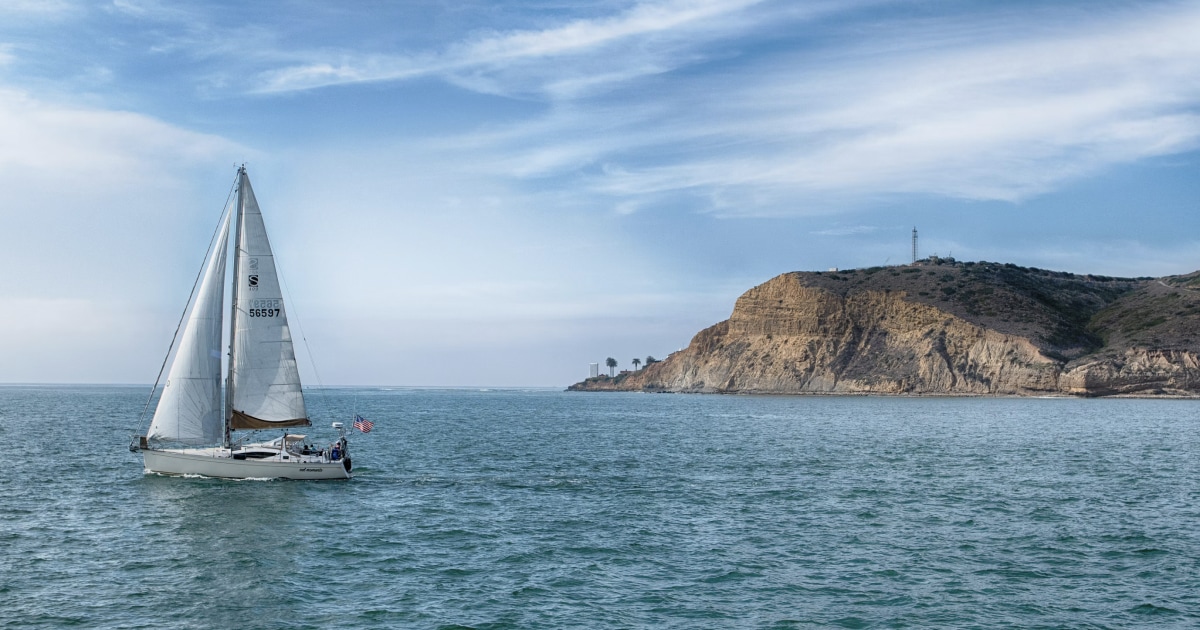
How to Plan a Sailing Route
Learn how to plan a sailing route using nautical charts, waypoints, distance calculations, weather forecasts, tides, and alternative destinations.
All boaters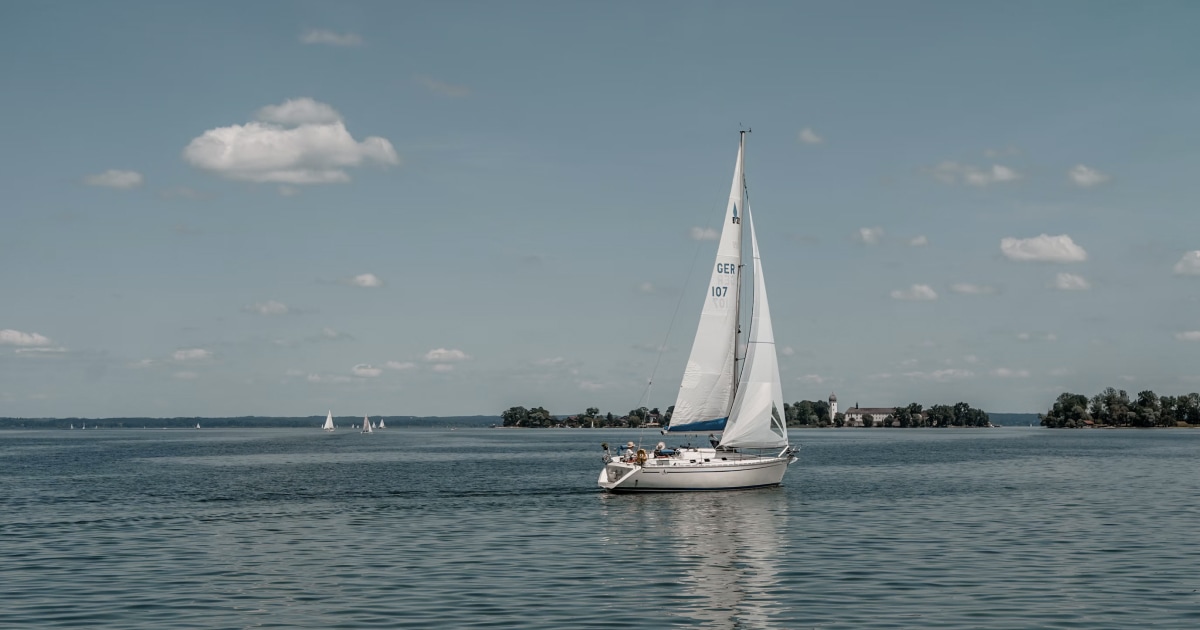
How to Read Wind Conditions for Sailing
Learn how to read wind forecasts for sailing, understand knots and gusts, assess wind direction and sea state, and decide when conditions are suitable for your boat and crew.
All boaters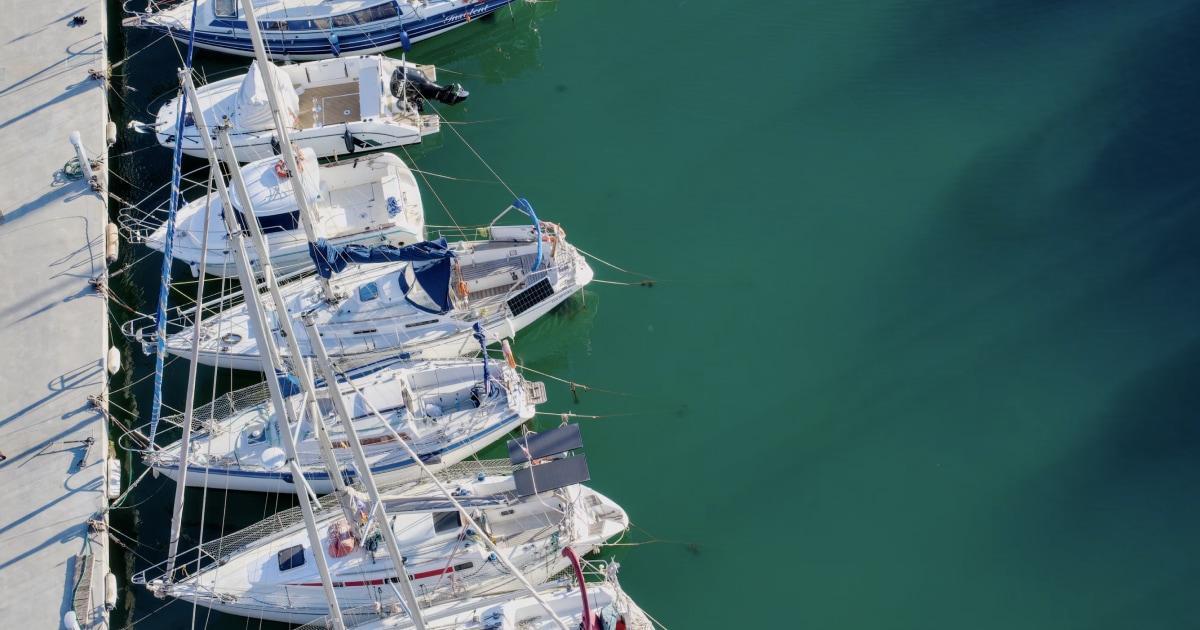
Pre-Departure Boat Checklist: What to Check Before Setting Sail
Use this pre-departure boat checklist to prepare your vessel, check safety equipment, review weather and navigation, brief the crew, and leave the dock safely.
All boaters