 Skipper
Prepare
•All boatersSailing Trip Checklist: Everything to Prepare Before You Go
Prepare for your next sailing trip with this complete checklist covering boat readiness, weather, route planning, safety equipment, crew, provisions, and departure.

Sailing Trip Checklist: Everything to Prepare Before You Go
A successful sailing trip starts before you leave the dock. Whether you’re heading out for a few hours, spending a weekend aboard, or planning a longer coastal passage, a little preparation can prevent avoidable problems and make the trip more enjoyable.
The challenge is remembering everything: weather, route, safety equipment, provisions, clothing, crew arrangements, and the boat itself.
This sailing trip checklist brings the main tasks together in one place. Use it as a general guide, then adapt it to your boat, destination, crew, and the conditions you expect to encounter.
The complete sailing trip checklist
Start with this overview, then use the detailed sections below to check each item.
Trip planning
- Decide on the destination, duration, and type of trip.
- Check the latest marine weather forecast.
- Review wind, sea state, visibility, tides, and currents.
- Plan the route using suitable, up-to-date navigation information.
- Identify hazards, alternative destinations, and places of refuge.
- Check daylight hours and any time-sensitive navigation constraints.
- Confirm that the trip suits the boat and the crew’s experience.
- Share your plan with someone ashore when appropriate.
Boat preparation
- Check the general condition of the boat.
- Inspect the steering, rigging, sails, and deck equipment as applicable.
- Check the engine, fuel, batteries, and relevant systems.
- Check bilges, pumps, hatches, and drains.
- Inspect the anchor and its deployment arrangements.
- Check navigation lights and essential instruments.
- Secure loose equipment and personal belongings.
- Resolve any defect that could make the planned trip unsafe.
Safety and communications
- Confirm that the required safety equipment is aboard.
- Check the condition and accessibility of lifejackets and other personal safety equipment.
- Check first aid, fire safety, and man-overboard equipment.
- Check communication devices and their power supplies.
- Make sure the crew knows where the safety equipment is stored.
- Brief the crew on the route, key hazards, and emergency procedures.
Packing and provisions
- Pack clothing suitable for the forecast and possible changes.
- Bring suitable footwear and sun protection.
- Pack personal medication and essential toiletries.
- Plan drinking water and food for the trip, including a suitable reserve.
- Check cooking, refrigeration, and storage arrangements where relevant.
- Bring chargers, power banks, and waterproof protection as needed.
- Secure bags and stow items so they cannot move in rough conditions.
Before departure
- Review the latest forecast and any warnings.
- Confirm that the route remains appropriate.
- Complete the boat’s pre-departure checks.
- Disconnect shore power and other shore connections as applicable.
- Prepare lines and fenders.
- Check the immediate surroundings and departure manoeuvre.
- Make a final go/no-go decision.
1. Plan your sailing trip
Before thinking about what to pack, decide what kind of trip you’re planning. Preparation for an afternoon sail is different from preparation for a week of coastal cruising.
Define the trip
- Set your intended departure and return dates.
- Choose a destination or general cruising area.
- Estimate how much time you’ll spend sailing each day.
- Decide whether you’ll return to the same harbour, visit different ports, or anchor overnight.
- Identify any fixed commitments, such as a marina booking or a return deadline.
- Keep enough flexibility to change the plan if conditions deteriorate.
Avoid planning every leg so tightly that a delay creates pressure to continue in unsuitable conditions.
Plan your route
- Identify your departure point and intended destinations.
- Review nautical charts and relevant navigation information.
- Check depths, hazards, restricted areas, and harbour approaches.
- Consider tides and currents where they affect your route.
- Estimate the time needed for each leg.
- Identify alternative ports and sheltered anchorages.
- Check whether any part of the route depends on daylight, a tidal window, or a bridge opening.
A route is a plan, not a promise. Conditions, traffic, equipment problems, or crew fatigue may require you to change it.
Read How to Plan a Sailing Trip for the broader planning process, or How to Plan a Sailing Route for a more detailed navigation-focused guide.
Check the weather
- Consult a marine forecast for the relevant area.
- Check wind direction, sustained wind speed, and gusts.
- Review sea state, swell, visibility, and precipitation.
- Look for warnings, thunderstorms, and expected changes.
- Consider how conditions may evolve during each planned leg.
- Check the forecast again before departure.
- Decide what conditions would make you delay, shorten, or cancel the trip.
Do not assess the weather using wind speed alone. Sea state, visibility, wind direction, local effects, and the crew’s experience all matter.
For further guidance, read How to Read Wind Conditions for Sailing and Sea State Explained.
2. Prepare the boat
A boat that was ready for its previous outing may not automatically be ready for the next one. Check its condition and systems before departure, particularly if it has been unused, recently serviced, or handed over to you by a charter company.
General condition
- Look for visible damage or anything unusual.
- Check for unexpected water in the bilges.
- Verify that bilge pumps and their controls are accessible.
- Check hatches, ports, lockers, and drains.
- Make sure deck areas and escape routes are not obstructed.
- Secure loose gear and objects that could shift.
Engine and electrical systems
For boats with an engine:
- Check fuel quantity and allow for an appropriate reserve.
- Look for obvious leaks or unusual smells.
- Check oil and coolant as required by the manufacturer’s instructions.
- Inspect accessible hoses, belts, and connections.
- Check battery charge and essential electrical systems.
- Confirm that the engine and controls operate as expected.
- Make sure the engine can be used safely for the planned manoeuvres.
Follow the manufacturer’s procedures for your engine and installation. If a system is essential to the trip and has a known defect, resolve the issue before departure.
Sails, rigging, and steering
For sailing boats:
- Inspect accessible standing and running rigging for visible wear or damage.
- Check sails for obvious tears and damaged attachments.
- Confirm that sheets and halyards are correctly led.
- Check winches, blocks, and reefing arrangements.
- Test the steering system.
- Check that the anchor and rode are ready for use.
- Confirm that deck equipment is secure and can be operated safely.
These checks are not a substitute for periodic maintenance or a professional inspection where one is needed.
For the final checks immediately before casting off, use the Pre-Departure Boat Checklist.
3. Check safety equipment
Safety equipment must suit the boat, the activity, the navigation area, and the distance from shelter. Requirements vary by jurisdiction and vessel, so confirm the rules that apply to your trip.
Personal safety
- Check that there is suitable personal flotation equipment for everyone aboard.
- Confirm that lifejackets fit correctly and are in serviceable condition.
- Check inflation mechanisms and service dates where applicable.
- Prepare harnesses, tethers, and jacklines if appropriate for the boat and conditions.
- Make sure children and inexperienced crew understand the safety rules.
- Agree when personal safety equipment should be worn.
Emergency equipment
- Check the first-aid kit and its contents.
- Confirm that fire extinguishers and fire blankets are accessible where fitted or required.
- Check distress signals and expiry dates where applicable.
- Check man-overboard recovery equipment.
- Confirm that torches and other locating equipment work.
- Check liferaft service requirements where applicable.
- Make sure emergency equipment is not blocked by luggage or provisions.
Communication and navigation
- Check that the VHF radio and other essential communications equipment work.
- Confirm that portable devices are charged.
- Check navigation lights if they may be needed.
- Verify that essential navigation instruments work.
- Confirm that suitable charts and navigation information are available.
- Make sure the crew knows how to raise the alarm and communicate a distress situation.
Use Boat Safety Equipment: Inspection and Expiry Dates for a more detailed equipment review.
4. Prepare the crew
The crew is part of the safety system. Everyone should understand the plan, know the basic rules aboard, and be ready for the conditions.
Before boarding or leaving the dock
- Confirm who is skipper and who is responsible for key tasks.
- Check that the planned trip matches the crew’s experience and capabilities.
- Explain the route, expected duration, and possible alternatives.
- Identify important hazards and areas that require extra attention.
- Show everyone where lifejackets and emergency equipment are stored.
- Explain how to raise the alarm and contact emergency services.
- Brief the crew on man-overboard procedures.
- Agree who will handle lines and fenders during departure.
- Make sure everyone has appropriate clothing and footwear.
If someone is new to sailing, don’t assume they know how to move safely around the boat or what to do during a manoeuvre. Explain the basics before the boat is moving.
For a longer trip, consider watch arrangements, fatigue, seasickness, and what happens if the skipper becomes unable to continue.
5. Pack clothing and personal essentials
Conditions on the water can feel very different from conditions ashore. Wind, spray, rain, and exposure can make a warm day uncomfortable surprisingly quickly.
Clothing
- Pack layers suited to the expected temperature.
- Bring waterproof and wind-resistant outerwear appropriate for the trip.
- Pack non-slip footwear suitable for the boat.
- Bring sun protection, including a hat and sunglasses.
- Pack warmer clothing for evenings or changes in weather.
- Consider spare clothing stored in a waterproof bag.
For offshore or cold-weather sailing, clothing needs more careful planning than for a short summer outing.
Personal items
- Personal medication and essential toiletries.
- Sunscreen and any personal protection you need.
- Phone and charger.
- Power bank or other suitable backup power.
- Waterproof bags or cases for electronics and documents.
- Identification and relevant boating documents.
- Towels and sleepwear for overnight trips.
- Any personal items needed by children or other crew members.
Keep valuables and electronics secured so they cannot fall overboard or become damaged by water.
6. Plan food and drinking water
The amount of food and water you need depends on the number of people, the duration of the trip, the weather, the availability of resupply, and the facilities on board.
- Estimate drinking water needs and bring a suitable reserve.
- Plan meals that match the available cooking facilities.
- Pack snacks and food that can be eaten easily while underway.
- Check refrigeration and storage capacity.
- Store food securely so it cannot move when the boat heels or rolls.
- Bring any supplies needed for food preparation and cleaning.
- Plan how to store and dispose of waste responsibly.
For a short day sail, simple food and sufficient drinking water may be all you need. For a multi-day trip, plan meals, storage, cooking fuel or power, and resupply options more carefully.
See Boat Provisioning for a Sailing Trip for a dedicated provisioning guide.
7. Organize the route and information you need on board
Before leaving, make sure the information you rely on is available even if a device fails or the itinerary changes.
- Have the relevant charts and navigation information available.
- Save useful harbour, marina, and alternative-destination details.
- Check access restrictions, local notices, and relevant regulations.
- Make sure navigation devices are charged and ready.
- Carry appropriate backup navigation resources.
- Keep emergency contacts and important details accessible.
- Ensure the crew understands the intended route and alternatives.
Electronic devices are valuable tools, but don’t rely on a single phone or chartplotter as your only source of navigation information.
Share the plan ashore
For trips where it is appropriate, tell a responsible person:
- Your boat and contact details.
- Who is aboard.
- Your intended route or destination.
- Your planned departure and return times.
- What they should do if you fail to check in as agreed.
Update the person ashore if your plans change significantly. A plan is only useful if someone knows when it is no longer accurate.
8. Adapt the checklist to the trip
Not every sailing trip needs the same level of preparation. Use the type of trip to decide which additional checks are necessary.
Day sail
Focus on the latest forecast, the local route, safety equipment, crew readiness, fuel or battery needs, drinking water, sun protection, and a realistic return plan.
Weekend sailing trip
In addition to the day-sail checks, plan overnight accommodation, meals, water, clothing for changing conditions, charging, waste storage, and the availability of berths or anchorages.
Multi-day coastal cruise
Allow more time for route planning, alternative destinations, changing weather, tides and currents, provisions, equipment checks, crew fatigue, and the possibility of spending an extra night somewhere.
Offshore passage
Preparation needs to be more extensive. Consider passage planning, communications, emergency equipment, watch arrangements, weather routing, crew experience, equipment redundancy, sufficient provisions, and contingencies for injury or equipment failure.
A checklist is a starting point, not a substitute for the knowledge, equipment, and preparation required for the planned passage.
9. Record the trip as you go
Preparation is only one part of a good sailing routine. After the trip, a record of what actually happened can help you make better decisions next time.
Useful information to record includes:
- Departure and arrival times.
- The route sailed and places visited.
- GPS track, distance, and trip duration.
- Weather and sea conditions encountered.
- Crew aboard.
- Notable manoeuvres, decisions, or changes to the plan.
- Problems, observations, or lessons worth remembering.
- Photos that help preserve the context of the trip.
With Skipper, you can record sailing trips on your iPhone, review GPS tracks and trip statistics, and add details such as crew, weather, locations, notes, and photos.
Over time, these records help you revisit previous routes, remember memorable days, and learn from the experience rather than relying on memory alone.
For a more structured approach, read What to Write in a Sailing Logbook and How to Keep a Sailing Logbook.
Frequently asked questions
What should be on a sailing trip checklist?
A sailing trip checklist should cover trip planning, weather, route and navigation, boat condition, safety equipment, crew preparation, food and water, clothing, communications, and final departure checks. Longer passages need additional planning and contingency measures.
What should I pack for a sailing trip?
Pack suitable clothing, non-slip footwear, sun protection, personal medication, toiletries, and waterproof protection for electronics and documents. Add food, drinking water, bedding, and other supplies based on the trip duration and facilities on board.
How far in advance should I plan a sailing trip?
A short outing in familiar waters may need only a brief plan, but preparation should still include weather, route, equipment, and crew. A multi-day or offshore passage requires more time to assess alternatives, tides, provisions, equipment, and changing conditions.
What is the difference between a sailing trip checklist and a pre-departure checklist?
A sailing trip checklist covers the whole preparation process, from planning and packing to provisions and crew arrangements. A pre-departure checklist focuses on the boat’s immediate condition, safety systems, surrounding traffic, and final checks before casting off.
Do I need a different checklist for an offshore passage?
Yes. Offshore sailing generally requires more extensive preparation for navigation, weather, communications, emergencies, watchkeeping, provisions, and equipment failures. Use a passage-specific checklist and make sure the plan suits the boat and crew.
Should I check the weather again on the day of departure?
Yes. Check the latest relevant marine forecast and warnings before leaving. Weather can change between the time you first plan the trip and the time you depart, and conditions may differ between your departure point and destination.
Final checklist before you go
A well-prepared sailing trip does not depend on remembering everything at the last minute. It depends on a repeatable routine: plan the route, assess the conditions, prepare the boat, brief the crew, organize supplies, and make a deliberate decision before departure.
Use this checklist as a starting point, adapt it to your own boat, and update it whenever your experience reveals something worth adding.
Plan carefully, stay flexible, and keep a record of the trips that matter.
Remember your days at sea
Skipper is a ship’s log app for sailboats and powerboats, available on iPhone and iPad. It records every trip with GPS and keeps your whole sailing history in one searchable logbook. Free for your first three trips.

Keep reading
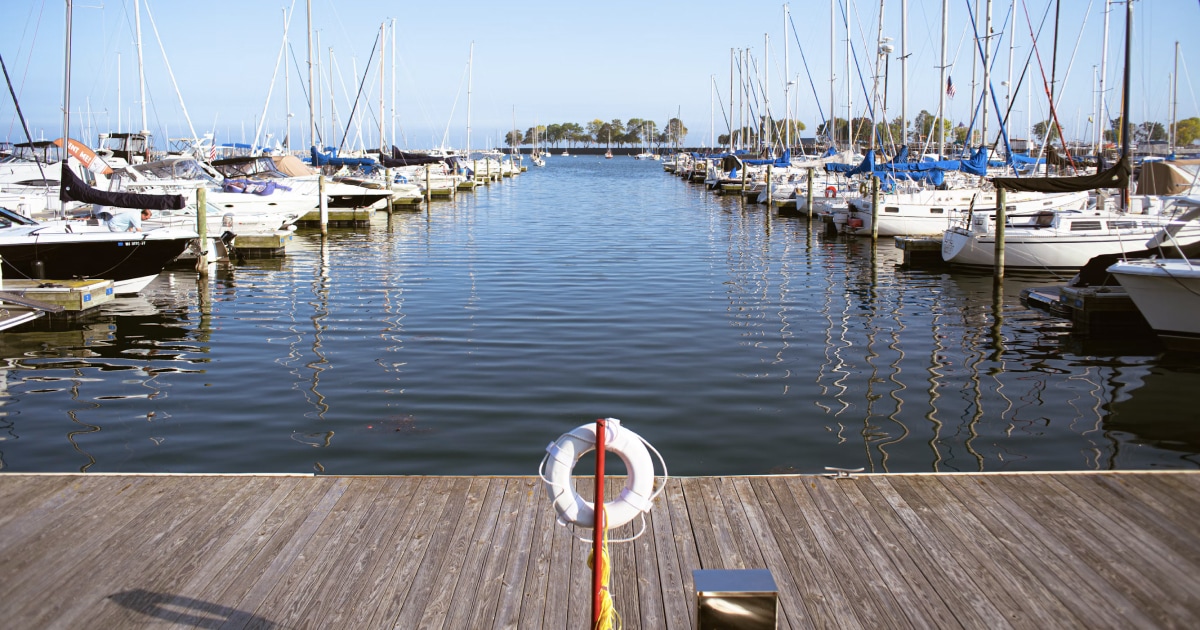
Boat Provisioning for a Sailing Trip: Food, Water and Supplies
Plan food, drinking water and essential supplies for a sailing trip. Use practical provisioning lists, meal-planning tips and storage advice for day sails and longer cruises.
All boaters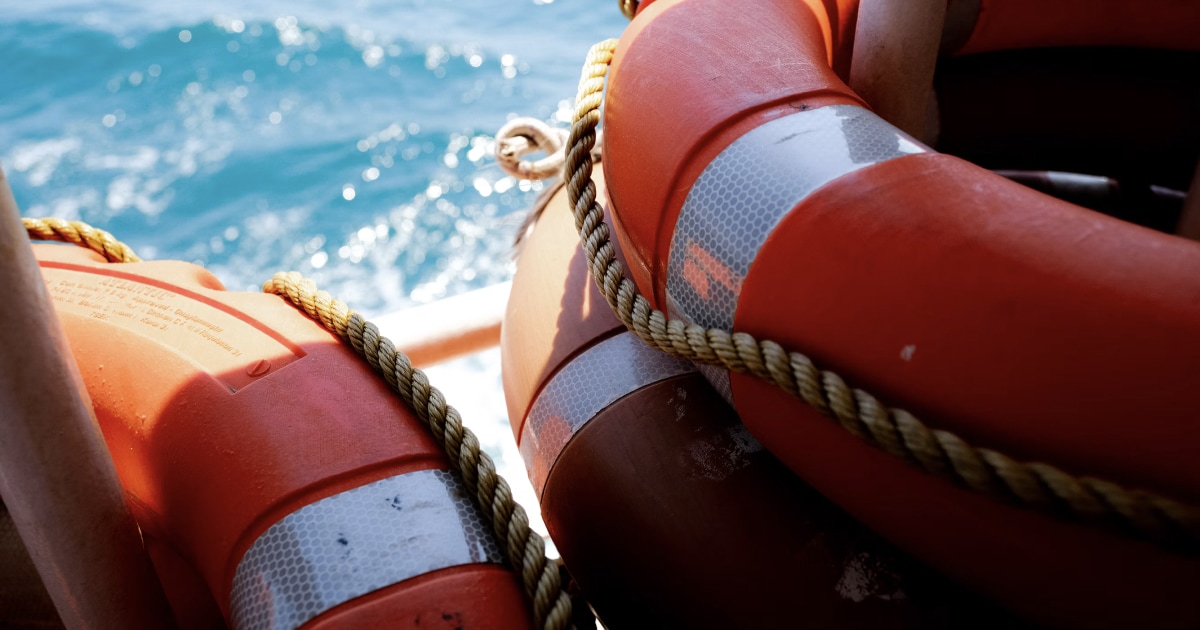
Boat Safety Equipment: Inspection and Expiry Dates
Learn how to inspect boat safety equipment, track expiry dates, check lifejackets, flares, fire extinguishers and liferafts, and prepare a reliable inspection checklist.
All boaters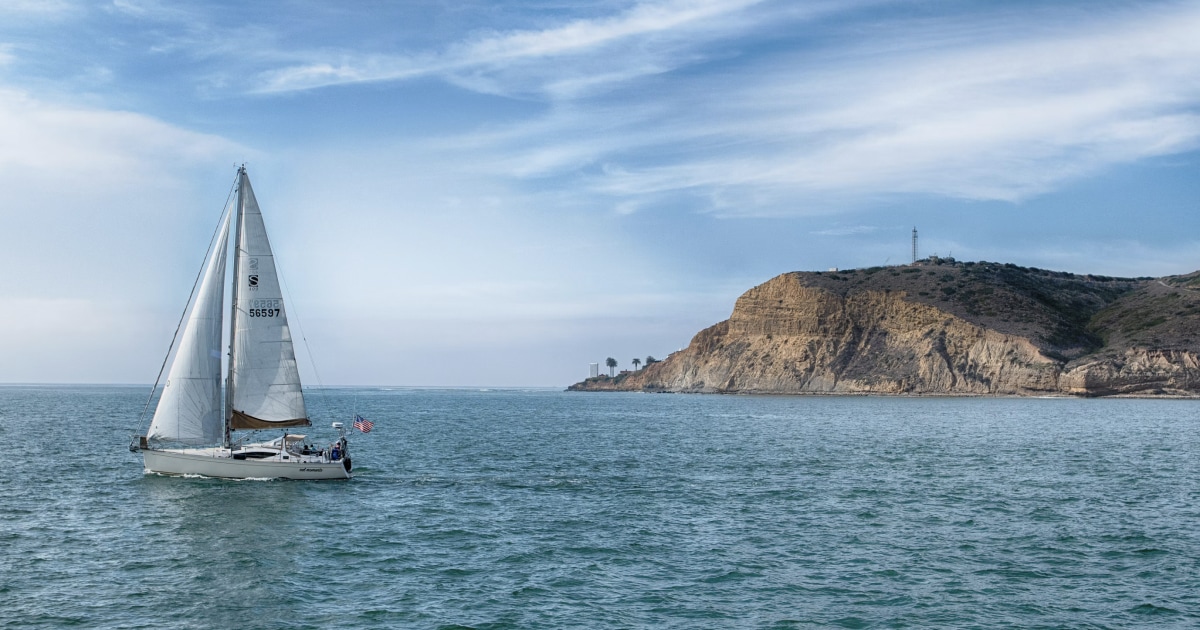
How to Plan a Sailing Route
Learn how to plan a sailing route using nautical charts, waypoints, distance calculations, weather forecasts, tides, and alternative destinations.
All boaters