 Skipper
Navigate
•SailorsCrew Roles on a Sailing Yacht
Learn the key crew roles on a sailing yacht, from skipper and helm to sail trimmers, navigator and bow person, and how to work together safely.
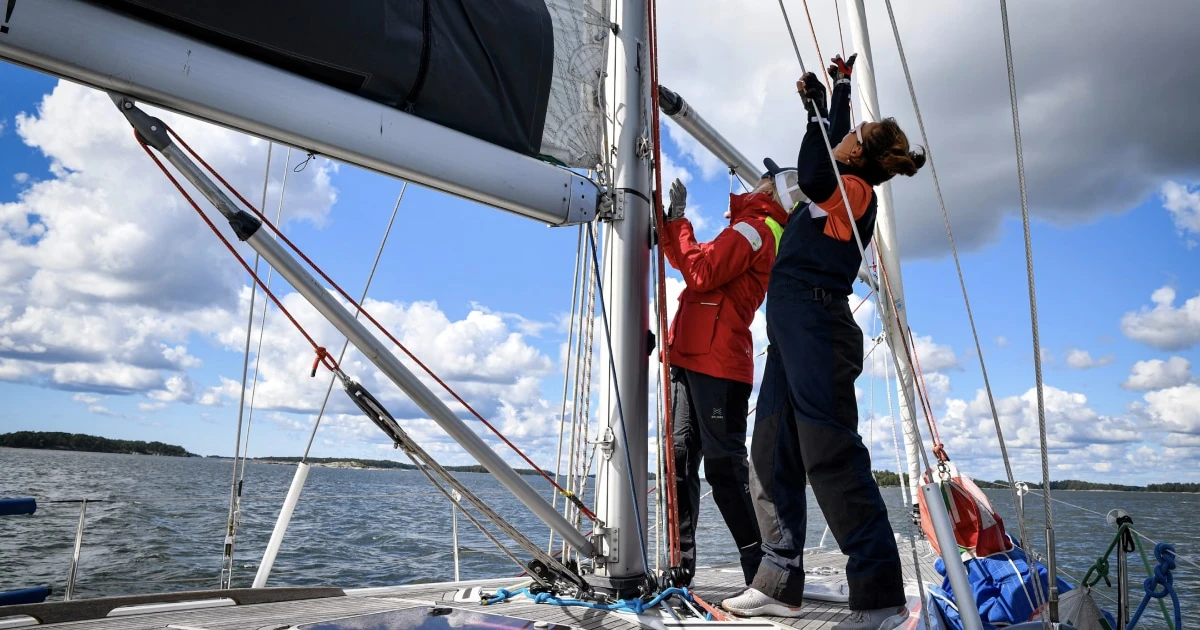
Crew Roles on a Sailing Yacht: Who Does What?
A sailing yacht runs on teamwork. Someone steers, someone handles the sails, someone keeps an eye on traffic, and everyone needs to know what happens next.
But who does what on a sailing yacht?
Crew roles vary with the boat, the number of people aboard and whether you’re cruising or racing. On a small cruising yacht, one person may handle several jobs. On a racing yacht, each position can be highly specialised.
Here’s how the main roles work and how to build a crew that communicates effectively.
1. The skipper: responsible for the whole boat
The skipper, also called the captain or person in charge, coordinates the passage and makes the final operational decisions.
Typical responsibilities include:
- Planning the route and checking weather conditions.
- Assessing whether conditions are suitable for the boat and crew.
- Briefing everyone on safety equipment and emergency procedures.
- Deciding when to reef, change course, enter harbour or alter the plan.
- Coordinating manoeuvres and making sure instructions are understood.
- Ensuring the vessel is operated safely and applicable rules are followed.
The skipper doesn’t have to perform every task personally. They can delegate steering, navigation or sail handling to competent crew members. Delegation does not remove the skipper’s responsibility for the safe operation of the yacht.
Good seamanship starts before leaving the dock. Everyone should understand the plan, the risks and their responsibilities.
2. The helm: steering the yacht
The helm, or helmsman, is the person steering the boat using the wheel or tiller.
Their job is to:
- Maintain the intended course or heading.
- Respond to wind shifts, waves and changes in boat speed.
- Follow the skipper’s instructions during manoeuvres.
- Keep an effective lookout and remain aware of surrounding traffic.
- Steer smoothly while the sails are adjusted.
On many cruising yachts, the skipper also takes the helm. On longer passages, steering may rotate between several crew members.
The helm and sail trimmers need to work together. A change of heading affects the wind angle and therefore the sails. Equally, a poorly trimmed sail plan can make a yacht harder to steer.
For more on how heading and wind angle affect sailing, read Sails and Wind: Choosing the Right Sail Plan.
3. The mainsail trimmer: controlling the mainsail
The mainsail trimmer adjusts the mainsail to suit the wind and point of sail.
Depending on the yacht, this can involve operating:
- The mainsheet.
- The traveller, if fitted.
- The boom vang or kicker.
- The mainsail controls used to adjust sail shape.
The aim is to maintain an effective sail shape without making the boat unnecessarily difficult to control.
During a tack or gybe, the mainsail trimmer must be ready for the boom to move across the boat. The timing and technique depend on the manoeuvre and conditions.
On a small yacht, the helm often trims the mainsail as well. On larger or racing yachts, a dedicated trimmer can concentrate on sail shape and performance.
4. The headsail trimmer: managing the jib or genoa
The headsail trimmer adjusts the jib or genoa using its sheets and associated controls.
Their responsibilities include:
- Trimming the sail as the wind angle changes.
- Easing or tightening the sheet to maintain an appropriate shape.
- Coordinating with the helm during course changes.
- Preparing for tacks and helping release and trim the sail on the new side.
- Monitoring the sail for signs that it is overpowered or poorly trimmed.
On a yacht with a larger genoa, the trimmer may need to operate a winch. Safe winch use and keeping fingers clear of loaded lines are essential.
During a tack, the old sheet must be released at the right time and the new sheet trimmed as the bow passes through the wind. Clear calls between helm and trimmer make the manoeuvre more predictable.
Learn the sequence in Tacking and Gybing Explained.
5. The bow person: working at the front of the yacht
The bow person works near the bow, particularly during manoeuvres that require sails, anchor or mooring equipment to be handled forward.
Typical tasks include:
- Preparing the headsail for a tack or sail change.
- Handling the anchor and its rode when instructed.
- Preparing mooring lines and fenders.
- Helping with sail changes on boats equipped for them.
- Communicating what is happening at the bow to the rest of the crew.
This role is especially important during close-quarters manoeuvres and sail changes. The bow person should have a clear way to communicate with the cockpit, whether by voice, agreed hand signals or a radio when appropriate.
Safety matters: the foredeck can be wet, exposed and difficult to move around on. Crew should use suitable footwear and personal safety equipment, and follow the skipper’s instructions.
6. The navigator and tactician: planning the next move
Navigation and tactical decision-making are related, but they are not exactly the same job.
The navigator focuses on where the yacht is going and how to get there safely. Their tasks may include:
- Monitoring the yacht’s position on the chart or navigation display.
- Checking depths, hazards, traffic and navigational marks.
- Reviewing the passage plan and identifying alternative destinations or refuges.
- Monitoring progress against the intended route.
- Considering weather, tides and currents where relevant.
The tactician focuses on choosing the best sailing strategy for the situation. On a cruising yacht, this might mean deciding which side of a bay offers better wind or how to approach a headland. In racing, the role is more specialised and involves interpreting wind shifts, the course and competitors’ positions.
On a small cruising yacht, the skipper will often handle both functions. Other crew can help by monitoring the chart, checking the forecast or reporting visible hazards.
Navigation remains an active task even when the yacht is following a route on a chartplotter. Electronic displays do not replace a proper lookout or the need to assess the situation.
7. The lookout: keeping watch
Every crew member should contribute to keeping a lookout, even when one person is specifically assigned to it.
A lookout watches for:
- Other vessels and possible collision risks.
- Navigation marks, hazards and changes in the coastline.
- Floating debris and objects in the water.
- People in the water or signs that someone has fallen overboard.
- Changes in visibility, weather or sea conditions.
The lookout should report relevant observations promptly and clearly. For example: “Vessel approaching from starboard” is more useful than a vague warning such as “Watch out!”
The person steering must also maintain an appropriate lookout when circumstances allow. A dedicated lookout does not make everyone else free to ignore their surroundings.
The principles of collision avoidance are explained in COLREGs: International Collision Regulations Explained.
8. The safety lead: making sure everyone is ready
On a small yacht, the skipper usually coordinates safety. A larger crew may assign a particular person to help check equipment and brief the team.
Tasks can include:
- Confirming that everyone knows where lifejackets and other safety equipment are kept.
- Explaining when lifejackets and harnesses should be worn.
- Checking that crew understand how to raise the alarm and use the VHF radio.
- Reviewing the response to a man-overboard situation.
- Making sure people know how to respond to fire, flooding or other emergencies.
The safety lead supports the skipper; they do not replace the skipper’s overall responsibility.
A safety briefing should be practical, not just a list of equipment locations. Crew need to know what to do, whom to alert and how to act without creating additional hazards.
See Man Overboard: What to Do for the key actions in this emergency.
9. How crew roles differ between cruising and racing
The same basic skills apply to both, but the way roles are organised can be very different.
| Role or responsibility | Cruising yacht | Racing yacht |
|---|---|---|
| Skipper or helm | Safe handling and passage decisions | Boat handling and coordination under racing conditions |
| Sail trimming | Efficient, comfortable sailing | Precise adjustments for speed and performance |
| Navigation | Safe route, hazards and arrival planning | Position, course strategy and race navigation |
| Bow person | Sail changes, anchoring and mooring preparation | Rapid sail changes and manoeuvre preparation |
| Crew coordination | Clear, calm communication and safety | Highly coordinated manoeuvres and timing |
| Main priority | Safety, reliability and the passage plan | Safety and performance within the racing rules |
These are broad distinctions, not rigid rules. A cruising crew may need rapid, coordinated manoeuvres in challenging conditions, while a racing crew must always treat safety as a priority.
10. How to organise a small sailing crew
You don’t need a large crew to sail a yacht. What matters is having enough capable people for the boat, conditions and planned passage.
On a small cruising yacht, responsibilities might be divided like this:
| Crew member | Possible responsibilities |
|---|---|
| Person 1: skipper | Passage decisions, safety, navigation and overall coordination |
| Person 2: helm | Steering and communication during manoeuvres |
| Person 3: sail handling | Mainsail and headsail trimming |
| Person 4: support | Lookout, navigation assistance, lines and general tasks |
This is only an example. Two experienced sailors may combine several responsibilities, while a larger crew can spread the workload. In difficult conditions, fatigue, visibility, the boat’s layout and each person’s experience all affect how much can safely be delegated.
For a short-handed crew, preparation becomes particularly important. Make sure critical lines and controls are accessible, discuss manoeuvres before starting them and avoid assigning a task to someone who does not understand it.
11. Communication: the skill that connects every role
Even an experienced crew can struggle if everyone assumes someone else knows what is happening.
Use a few simple habits:
- Assign roles before manoeuvres. Explain who handles which line, who steers and who watches.
- Use short, unambiguous calls. Confirm that instructions have been heard when the situation requires it.
- Announce hazards immediately. Report a person in the water, a nearby vessel or an unexpected change in conditions.
- Close the loop. Acknowledge important instructions rather than assuming they were understood.
- Speak up when unsure. It is safer to ask for clarification than to guess.
- Review after a manoeuvre. Briefly discuss what worked and what should change next time.
For example, before a tack, the helm can announce the manoeuvre, the crew can confirm readiness, and the trimmers can coordinate the release and trimming of the sheets. The exact calls should suit the yacht and the crew’s experience.
Good communication is not about sounding professional. It is about making sure everyone knows what is happening and what to do next.
12. What should a beginner learn first?
You don’t need to master every position before joining a sailing crew. Start with the tasks that help you contribute safely.
A useful progression is:
- Learn the basics. Understand the names of the main parts of the boat, sails, lines and safety equipment.
- Practice ropework. Learn to handle lines, secure them correctly and keep them clear of feet and moving equipment.
- Try steering. Practice maintaining a heading under the skipper’s supervision.
- Assist with sail handling. Learn how sheets and halyards work, and follow instructions during hoisting, trimming and reefing.
- Keep a lookout. Develop the habit of scanning the water and reporting relevant observations.
- Learn emergency procedures. Know how to raise the alarm and what the skipper expects you to do in an emergency.
The Royal Yachting Association’s Competent Crew Practical Course is one structured way to learn these skills. It covers helming, sail handling, ropework, personal safety and emergency awareness.
13. Record who did what during the trip
A sailing logbook can help you remember how a passage went and what you learned as a crew.
After a trip, record details such as:
- Who was aboard and who took the helm.
- The route, duration, distance and conditions.
- When you changed sails or reefed.
- Manoeuvres that went well or needed more coordination.
- Any incidents, equipment problems or useful lessons.
- Photos and notes that help bring the trip back to life.
These records can be particularly useful when you sail regularly with the same crew. You can review previous passages, remember which tasks each person practiced and identify skills to improve before the next trip.
With Skipper, you can record your sailing trips using GPS tracks, trip details, notes and photos, then revisit your history and statistics over time.
Crew roles checklist before departure
Before leaving the dock, make sure the crew can answer these questions:
- Who is the skipper and who is steering initially?
- Who is handling the mainsail and headsail?
- Who handles lines and fenders during departure and arrival?
- Who is monitoring navigation and weather?
- Where are the lifejackets and emergency equipment?
- Does everyone know how to raise the alarm and call for help?
- Have the route, expected conditions and likely manoeuvres been discussed?
- Does everyone know how to ask for help or report a problem?
The checklist should be adapted to the yacht, crew and passage. It is a starting point for a briefing, not a substitute for proper preparation.
Frequently asked questions
What are the main crew roles on a sailing yacht?
The main roles commonly include skipper, helm, mainsail trimmer, headsail trimmer, navigator, lookout and bow person. Smaller crews often combine several roles, while racing yachts may have more specialised positions.
Does the skipper have to steer the boat?
No. The skipper can delegate the helm to a competent crew member. The skipper remains responsible for the safe operation of the yacht and the crew.
Can beginners help crew a sailing yacht?
Yes. Beginners can assist with lookout, basic ropework, sail handling and everyday tasks after receiving suitable instructions. They should understand the task and the relevant safety precautions before carrying it out.
How many crew members does a sailing yacht need?
There is no universal number. The right crew size depends on the yacht, the passage, the conditions and the experience of the people aboard. A yacht that is manageable by two experienced sailors in benign conditions may require more crew in demanding conditions.
What should a crew briefing cover?
A briefing should cover the route, expected weather, assigned roles, manoeuvre communication, safety equipment, lifejacket expectations and emergency procedures. Everyone should have an opportunity to ask questions before departure.
What is the difference between a skipper and a crew member?
The skipper coordinates the voyage and retains responsibility for the vessel’s safe operation. Crew members carry out assigned tasks and support navigation, sail handling, lookout and other onboard duties. Crew can take on substantial responsibility without becoming the skipper.
A good sailing crew is not simply a collection of people with separate jobs. It is a team that understands the plan, communicates clearly and adapts when conditions change. Whether you’re sailing with family, friends or an experienced racing crew, knowing who does what makes the boat easier to manage and the trip safer.
Remember your days at sea
Skipper is a ship’s log app for sailboats and powerboats, available on iPhone and iPad. It records every trip with GPS and keeps your whole sailing history in one searchable logbook. Free for your first three trips.

Keep reading

COLREGs: International Collision Regulations Explained
Understand the COLREGs, the international rules for preventing collisions at sea, including right of way, lookout, safe speed, navigation lights and sound signals.
All boaters
How to Reef a Sail
Learn when to reef a sail, why early reefing matters, and how to reduce sail area safely as wind conditions change.
Sailors
Man Overboard: What to Do
Learn what to do when someone falls overboard, from raising the alarm and keeping visual contact to returning to the casualty and recovering them safely.
All boaters