 Skipper
Navigate
•All boatersMan Overboard: What to Do
Learn what to do when someone falls overboard, from raising the alarm and keeping visual contact to returning to the casualty and recovering them safely.
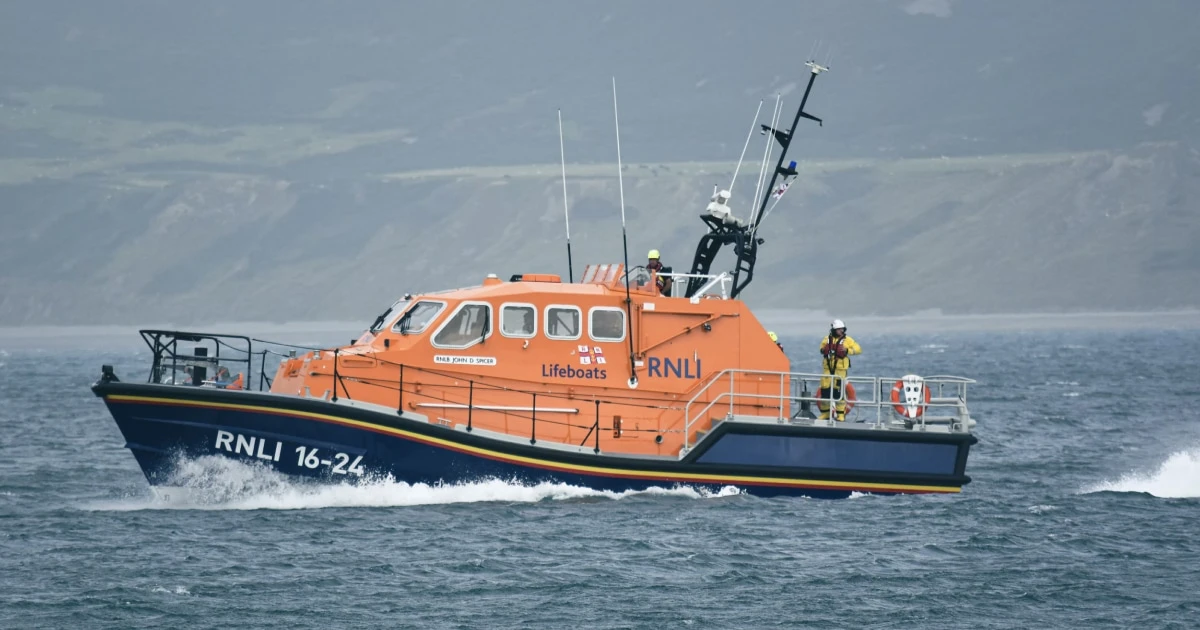
Man Overboard: What to Do
Someone has fallen overboard. The boat is moving, the person may be difficult to see, and the crew has only moments to react.
A man overboard (MOB) situation is one of the most time-critical emergencies on a boat. The immediate priorities are to raise the alarm, keep the person in sight, mark their position, return under control and recover them without creating additional casualties.
The exact manoeuvre depends on the boat, the conditions and the crew’s training. There is no single recovery technique that is safe for every situation.
This guide explains the core actions to take, how to approach a person in the water, and what to consider when bringing them back aboard.
If someone is overboard right now, treat it as an emergency. Raise the alarm, deploy flotation equipment, maintain visual contact and call the appropriate maritime rescue service. Do not delay an emergency call while attempting a recovery.
1. Raise the Alarm Immediately
The first seconds matter. Make sure everyone aboard understands what has happened.
Shout “Man overboard!”
Shout clearly and loudly so the entire crew hears you. Use the agreed onboard emergency call if your crew has practised one.
The person raising the alarm should also make sure the helm knows which side the casualty fell from, if that is known.
Assign a spotter
One crew member should point continuously towards the person in the water and maintain visual contact.
The spotter should keep pointing even if the boat turns or the casualty becomes difficult to see. Other crew members can take over if necessary, but the helm must know immediately if visual contact is lost.
If possible, use a second crew member to help track the person’s position and relay useful information.
Deploy flotation equipment
Throw a lifebuoy or other appropriate flotation equipment towards the casualty as soon as it is safe to do so.
If available and appropriate for the vessel, deploy a dan buoy or other marker to help identify the location. A floating aid can help the person stay afloat and make them easier to locate, but it does not replace the need for a rapid recovery.
Avoid throwing equipment in a way that could strike the person or become entangled with the boat.
Mark the position
If the boat has a chartplotter or navigation system with a man overboard function, activate it immediately.
This can record the last known position and help the crew return to the area if visual contact is lost.
The recorded position may not be the casualty’s current position because the person can drift with wind and current. Continue searching visually and account for drift.
2. Call for Help Early
Do not assume the crew will be able to complete the recovery without assistance.
If the casualty is unconscious, injured, difficult to reach, drifting away or in cold or rough water, the need for outside assistance may be urgent. Call early rather than waiting until the situation deteriorates.
Make a distress call when warranted
Use the appropriate maritime distress procedure for your location and equipment. This may include a VHF DSC distress alert and a MAYDAY call on the designated distress channel, commonly VHF Channel 16.
State the nature of the emergency, your vessel’s position, the number of people involved and any other information requested by the responding service.
If you are in French waters, contact the appropriate maritime rescue service, such as the CROSS, using the available distress procedures. Elsewhere, follow the local emergency arrangements.
A mobile phone may be useful when appropriate, but do not rely on it as your only means of maritime emergency communication.
If the situation is immediately life-threatening, do not postpone the call while trying to complete every other step.
For more detail, see VHF Marine Radio: Channels and Procedures.
3. Control the Boat and Prevent Another Person Falling Overboard
Once the alarm has been raised, the helm must take control of the vessel’s movement.
Reduce speed and assess the situation
Use the boat’s established MOB procedure to slow down or stop as appropriate. The correct manoeuvre depends on whether you are sailing or motoring, the vessel’s handling characteristics, the sea state and the casualty’s position.
Avoid a rushed turn that could cause another crew member to fall overboard or put the boat in an unsafe position.
Keep the casualty clear of the propeller
If the casualty is near the boat, the risk from a moving propeller becomes critical.
Put the engine in neutral as appropriate and stop it when safe to do so, following the boat’s procedure. Account for the fact that stopping the engine may affect steering or control on some vessels.
Never manoeuvre a powered boat over a person in the water. Ensure the propeller cannot strike the casualty during the final approach and recovery.
Brief the crew
Give short, clear instructions. Explain which side of the boat you intend to use for the recovery, who will handle the equipment and who will monitor the casualty.
If the skipper has fallen overboard, another competent crew member must take control immediately. This is one reason every crew should know how to stop the boat, call for help and initiate the MOB procedure.
4. Return to the Person in the Water
The goal is to return to the casualty quickly while keeping the boat under control.
The precise manoeuvre depends on the boat and conditions. Sailing yachts may use a trained MOB manoeuvre under sail, while motorboats may use a controlled powered approach. Practise the method appropriate to your vessel rather than relying on instructions intended for another type of boat.
Keep the casualty in sight
The spotter should continue pointing and giving clear updates about the casualty’s direction and distance.
If you lose sight of the person, use the MOB position recorded on the navigation system as a starting reference. Account for drift, and inform rescue services if the situation changes.
Assess wind, waves and current
Before the final approach, assess how the boat and casualty are moving relative to one another.
Wind may push the boat towards the person as the boat slows, but current and waves can change the approach significantly. The safest approach may differ from the one you would use in calm water.
Do not assume that a person in the water will remain at the position where they fell overboard.
Approach at controlled speed
Reduce speed sufficiently to avoid striking the casualty or creating dangerous wash. Keep the approach controlled and be prepared to abort if the boat cannot be positioned safely.
The helm should coordinate closely with the recovery crew, who may have a limited view of the boat’s movement and the surrounding hazards.
Keep the recovery side clear
Whenever possible, choose a side that allows the crew to reach the casualty without putting them near the propeller or other dangerous equipment.
The ideal side and approach depend on the vessel, its propulsion arrangement, wind and sea conditions, and the recovery method.
5. Prepare to Recover the Casualty
Getting alongside is not the end of the rescue. A person who is cold, exhausted, injured or unconscious may be unable to climb a ladder or help the crew.
Prepare the recovery equipment before the boat reaches the casualty whenever possible.
Useful equipment may include:
- A lifebuoy or floating rescue line.
- A suitable boarding or recovery ladder.
- A recovery sling or lifting strop designed for the purpose.
- A suitable hoist, davit or other lifting system where fitted.
- A way to secure the casualty once aboard.
Know where the equipment is stored and how it works before an emergency occurs.
If the casualty is conscious
Talk to the person calmly and clearly. Reassure them that help is coming and give simple instructions if they are able to follow them.
If safe, throw a suitable floating line or heaving line within reach. A ladder, low freeboard or appropriate boarding platform may help the casualty return aboard, depending on the boat and sea state.
Do not assume that someone who is conscious can climb unaided. Cold, shock, injury and exhaustion can quickly reduce their ability to help.
If the casualty is unconscious or unable to help
Recovery becomes substantially more difficult and may require a dedicated lifting method.
Use suitable recovery equipment and call for professional assistance. Do not put another crew member at serious risk by lowering them into the water or asking them to lean dangerously over the side.
If your vessel has a hoist, davit or other lifting arrangement, the crew should know its safe working procedure in advance.
The priority is to recover the person without creating a second casualty.
6. Bring the Person Back Aboard Safely
Recovering a person from the water can be physically demanding, particularly from a boat with high freeboard.
Avoid lifting by the arms alone
A person may be exhausted, injured or unable to support their own weight. Pulling them up by the arms can be ineffective and may worsen injuries.
Use a suitable ladder, sling, lifting device or other planned recovery method appropriate to the boat and casualty.
Keep the boat stable
Coordinate the crew’s movements. Avoid having several people rush to the same side of the boat, which can affect stability.
Keep loose lines clear and avoid placing hands or feet where they can become trapped between the hull and the casualty or recovery equipment.
Recover the casualty horizontally when practicable
If the person is unconscious or has been immersed for a prolonged period, a suitable recovery method that keeps them as horizontal as practicable may reduce certain risks associated with lifting.
However, preventing drowning remains the immediate priority. Do not delay an urgent recovery solely to achieve a particular lifting position.
Confirm that the propeller is safe
Before bringing the casualty alongside, make sure the engine and propeller cannot injure them. The exact engine procedure depends on the vessel and the manoeuvre, so follow the boat’s established MOB plan.
7. Provide Immediate Care After Recovery
Once the casualty is aboard, assess their condition immediately. Being back on deck does not mean the emergency is over.
Check responsiveness and breathing
Check whether the person responds and whether they are breathing normally.
If they are unresponsive and not breathing normally, call for emergency medical assistance and begin CPR. Use an AED as soon as available and follow its instructions. Follow the emergency dispatcher’s directions and your first-aid training.
If they are breathing normally but remain unresponsive, protect their airway and monitor their breathing continuously. Follow professional guidance on positioning, especially if you suspect trauma.
Protect against cold
A person recovered from cold water may be at risk of hypothermia even if they appear alert.
Move them out of the wind where possible, remove wet clothing when it is safe and practical, and insulate them with dry layers or blankets. Handle a severely cold casualty gently and monitor them closely.
Do not rub their limbs or apply intense direct heat. Follow the instructions of emergency responders.
Check for injuries and deterioration
Look for injuries from the fall or recovery, breathing difficulties, confusion, unusual drowsiness and signs of shock.
Even a person who appears to recover quickly may develop complications after immersion. Seek urgent medical advice and follow the guidance of emergency services.
Do not give an unconscious person anything to eat or drink.
8. What If the Person Is Attached to the Boat?
A person who falls overboard while attached to a safety line presents a different problem from someone who is completely separated from the vessel.
The priority is to stop the boat’s movement through the water as quickly and safely as possible. Even slow movement can create a serious risk of water being forced into the casualty’s airway.
Avoid applying additional load to the tether or allowing the person to be dragged alongside the hull.
If the boat cannot be stopped or the casualty cannot be recovered safely, the crew must assess the situation urgently and follow the vessel’s emergency procedure. Cutting a tether may become necessary in exceptional circumstances, but doing so can leave the casualty separated from the boat and must not be treated as a routine response.
A tether system should be selected and used with the boat’s layout and the risks of going overboard in mind.
9. Prevent Man Overboard Incidents
Prevention is more effective than any recovery manoeuvre. A few consistent practices can reduce the risk of someone falling into the water.
Brief the crew before departure
Explain where people can move safely, how to hold on when moving around the boat, and when to use a lifejacket and safety harness.
Make sure everyone knows the MOB alarm call and the location of the flotation equipment.
Use appropriate personal safety equipment
Wear a properly fitted lifejacket when conditions or the boat’s procedures call for it.
When moving on deck in rough weather, at night or in other high-risk conditions, use a suitable harness and tether clipped to an appropriate strong point or jackstay. The attachment arrangement must be suitable for the boat and the risk of going overboard.
Keep the deck safe
Stow loose lines and equipment, keep passageways clear and ensure that handholds are available where people need them.
Encourage crew to move carefully and maintain a secure grip when working on deck.
Adapt to conditions
If the weather deteriorates, reduce risk by changing the plan, slowing down where appropriate, reefing early on a sailing vessel or keeping less experienced crew in safer areas.
Do not send a crew member onto an exposed deck for a non-essential task when conditions make it unsafe.
10. Practise Your MOB Procedure Before You Need It
An emergency is the wrong time to discover that nobody knows how the recovery equipment works.
Practise a man overboard drill in suitable conditions using a floating training object, not a person in the water. Follow recognised training guidance and the vessel’s procedures.
A useful drill should cover:
- Raising the alarm and assigning the spotter.
- Activating the MOB function on the navigation system.
- Deploying flotation equipment.
- Returning to the training target under control.
- Preparing the recovery equipment.
- Practising the planned recovery method without putting anyone at risk.
- Making a simulated distress call and briefing the crew.
Repeat the drill when the crew changes or when the boat’s equipment or setup changes.
Every crew member should understand the basic response, including what to do if the skipper is the person who falls overboard.
Man Overboard Checklist
Immediate response
- Shout the alarm and identify which side the person fell from.
- Assign someone to point continuously at the casualty.
- Throw appropriate flotation equipment.
- Activate the MOB function on the chartplotter if available.
- Call maritime rescue services early when warranted.
- Reduce speed and control the boat to avoid further casualties.
During the approach
- Maintain visual contact.
- Assess wind, waves and current.
- Brief the crew on the intended recovery.
- Approach at controlled speed.
- Keep the casualty clear of the propeller.
- Prepare the recovery equipment.
After recovery
- Check responsiveness and normal breathing.
- Call for emergency medical assistance.
- Start CPR and use an AED if indicated.
- Protect the casualty from further heat loss.
- Monitor breathing, consciousness and other symptoms.
- Follow professional medical advice.
Record Safety Lessons with Skipper
A man overboard emergency is not something to document instead of responding to it. The priority is always the immediate rescue and the safety of everyone aboard.
After the incident has been resolved and it is appropriate to do so, recording the event can help preserve important details for a later review.
With Skipper, you can record boating trips, keep GPS tracks, add locations, weather details, notes and photos, and review your trip history on a map.
A factual note made afterwards may help you remember the conditions, equipment used and lessons identified during a debrief. Keep any formal incident reporting separate and follow the requirements that apply to your vessel and jurisdiction.
Frequently Asked Questions
What is the first thing to do when someone falls overboard?
Shout to raise the alarm, keep pointing at the person so the helm can maintain visual contact, and deploy available flotation equipment. Mark the position on the chartplotter if possible, and call for assistance early if the situation warrants it.
Should you turn the engine off during a man overboard recovery?
The priority is to prevent contact with a moving propeller. Put the engine in neutral when appropriate and stop it when safe to do so, taking account of the boat’s control and conditions. The exact procedure depends on the vessel and recovery method.
Should you approach a person in the water from upwind?
Positioning the boat upwind can allow the wind to drift the boat towards the casualty as speed is reduced, but the safest approach depends on wind, waves, current, vessel design and the recovery equipment. Use the procedure practised for your boat.
How do you recover an unconscious person from the water?
An unconscious casualty generally requires a planned lifting method, such as a suitable recovery sling, hoist or other purpose-designed equipment. Avoid putting rescuers at risk by leaning dangerously overboard. Call for professional assistance and follow the vessel’s recovery procedure.
What should you do after recovering someone from the water?
Assess responsiveness and normal breathing, call emergency services, and provide CPR and an AED if indicated and available. Protect the casualty from further heat loss, monitor them closely and follow instructions from emergency responders. Anyone who has experienced immersion may need urgent medical assessment.
How can you prepare a crew for a man overboard emergency?
Brief everyone on the alarm call, flotation equipment, MOB button, communications and recovery plan. Practise drills with a floating training target in suitable conditions and make sure the crew understands how to recover someone from the specific boat.
Related Articles
Remember your days at sea
Skipper is a ship’s log app for sailboats and powerboats, available on iPhone and iPad. It records every trip with GPS and keeps your whole sailing history in one searchable logbook. Free for your first three trips.

Keep reading
Crew Roles on a Sailing Yacht
Learn the key crew roles on a sailing yacht, from skipper and helm to sail trimmers, navigator and bow person, and how to work together safely.
Sailors
How to Take a Bearing at Sea
Learn how to take a compass bearing, identify landmarks, plot position lines, and use multiple bearings to estimate your position at sea.
All boaters
Sailing Passage Checklist: Plan a Safe Passage
Prepare for a sailing passage with this detailed checklist covering route planning, weather, tides, boat systems, safety equipment, crew, watches, provisions, and contingencies.
All boaters