 Skipper
Document
•All boatersWhy Keep a Boat Logbook?
Discover why keeping a boat logbook matters, from documenting sailing trips and improving your skills to tracking boat usage and preserving memories.
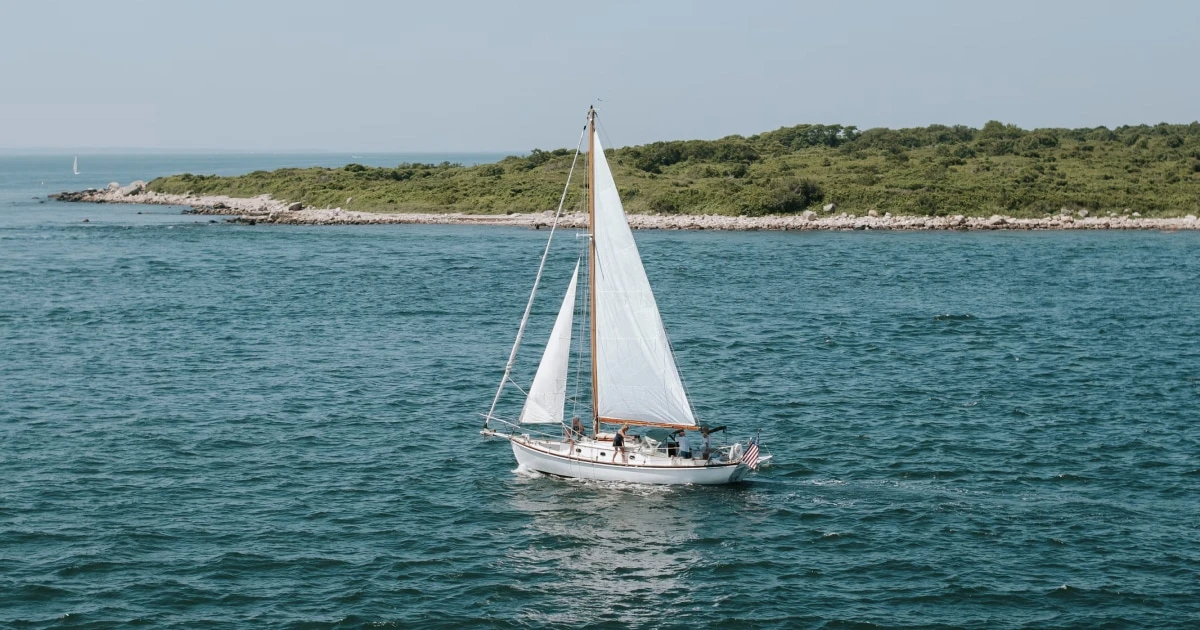
Why Keep a Boat Logbook?
A boat logbook might seem like one more thing to manage before or after a sailing trip. If you already know where you went and had a good day on the water, why bother writing anything down?
Because memory is incomplete, and a record can tell you things you won’t remember later.
A logbook helps you reconstruct past trips, understand the conditions you encountered, document your experience and build a history of your boat’s use. It can be a simple notebook, a structured paper log or a digital record combining GPS tracks, notes and photos.
You don’t need to be a professional sailor to benefit from one. Here are seven practical reasons to keep a boat logbook, whether you sail occasionally, cruise regularly or manage a boat throughout the year.
1. Keep a reliable record of your sailing trips
The most obvious benefit is also the most fundamental: a logbook records where you’ve been and what happened during each trip.
After a few months, individual outings can start to blur together. You might remember visiting a particular bay but forget which day you went, how long the trip took or what the conditions were like.
A logbook preserves useful details such as:
- Departure and arrival locations.
- Date and time of the trip.
- Route and distance travelled.
- Weather, wind and sea conditions.
- People aboard.
- Important events and decisions.
- Photos and personal observations.
These details give each trip its own record instead of leaving it as a vague memory.
For example, you might remember a weekend spent exploring the coast, but your logbook can show which anchorages you visited, the route you took and where you stopped along the way.
This is particularly useful if you sail frequently, visit the same destinations repeatedly or want to build a long-term history of your time on the water.
2. Learn from experience and become a better sailor
A logbook isn’t just a record of the past. It can also help you make better decisions in the future.
Sailing involves constantly interpreting conditions and responding to them. Wind strength, sea state, visibility, traffic and the boat’s behaviour all influence how a trip unfolds.
When you record these observations, you create material you can review later.
You might ask yourself:
- How did the boat behave in stronger winds?
- Which routes were exposed to uncomfortable swell?
- When did conditions change during the trip?
- Which decisions worked well?
- What would I do differently next time?
Consider two entries from separate outings.
Trip A
Wind increased during the afternoon. Reduced sail before the exposed headland and continued toward the sheltered anchorage.
Trip B
Similar wind conditions to the previous outing. Reefed earlier and reached the anchorage with less time spent in exposed water.
Comparing these entries may help you recognise how your decisions affect the experience. One example doesn’t prove that a particular strategy is always better, but repeated observations can reveal patterns worth considering.
A logbook is especially useful when you’re learning a new boat, practising manoeuvres or building experience in unfamiliar conditions.
The key is to record not only what happened, but also the observations and decisions that explain it.
3. Revisit routes and plan future trips more effectively
A sailing logbook can become a practical reference for planning future outings.
Instead of relying entirely on memory, you can review previous trips and identify routes, destinations and conditions worth considering again.
For example, your records may help you remember:
- How long a particular passage took on a previous occasion.
- Which alternative destinations you considered.
- Where you stopped during a coastal cruise.
- Which anchorages you visited.
- What conditions you encountered on a particular route.
- Which parts of the trip required more time than expected.
Suppose you’re planning another weekend in an area you’ve visited before. Reviewing your logbook can help you reconstruct the previous itinerary and identify what you might change.
However, historical records are a planning aid, not a substitute for current navigation information. Weather, tides, currents, notices to mariners, restrictions and local conditions can change. Always reassess the information relevant to the next voyage.
A logbook can help you build your own cruising history
Over time, individual trips become a useful reference library.
You can revisit a destination, compare different approaches and remember the practical details that made an outing easier or more difficult.
That history can be more useful than a generic list of recommended sailing destinations because it reflects your own boat, experience and observations.
4. Document your sailing experience
If you sail regularly, your logbook can help you understand how your experience has developed.
It can preserve a record of the passages you’ve completed, the places you’ve visited, the conditions you’ve encountered and the activities you’ve practised.
Depending on your goals, you may want to record:
- Trips and passages completed.
- Distances travelled.
- Boats sailed.
- Crew responsibilities.
- Manoeuvres practised.
- Notable weather or sea conditions.
- Training activities and lessons learned.
This can be valuable when preparing a personal sailing résumé, reviewing your progress or reflecting on your experience over several seasons.
Be careful, however, about treating a personal logbook as official proof of sea time. If you need documentation for a qualification, employment application, sailing organisation or charter company, check its specific requirements. It may require a prescribed format, verification, signatures or additional information.
A logbook can support your account of your experience without automatically satisfying every organisation’s rules.
5. Preserve memories beyond photos
Most sailors take photographs during a good trip. Fewer remember to record the details that explain those photos.
A picture of an anchorage may remind you of the scenery, but it won’t necessarily tell you when you visited, how you approached it or why you chose that location.
Combining photos with a logbook entry provides more context.
You could record:
- The location and date.
- The conditions at the time.
- Who was aboard.
- A memorable moment.
- A lesson learned during the trip.
- A note about a place you want to revisit.
Years later, these details can help you reconstruct not only what a trip looked like, but what made it memorable.
This is one reason a personal sailing logbook can be valuable even if you don’t need it for navigation, maintenance or formal documentation. It becomes a history of your time on the water.
You don’t need to write a diary entry after every outing. A few factual details and one or two personal observations can be enough.
6. Keep track of boat usage and identify follow-up work
A logbook can also contribute to a better understanding of how your boat is used.
Recording trip dates, duration, routes and relevant observations helps establish a history of activity. For boats with auxiliary engines, you can also record engine-hour readings when they are available.
This information can support practical questions:
- How often has the boat been used this season?
- When was a particular trip completed?
- Did an equipment problem occur more than once?
- Was a defect noticed before or after a specific outing?
- What follow-up work should be completed before sailing again?
For example, imagine noticing an unusual vibration during a passage. Recording the date, approximate operating conditions and what you observed can make it easier to describe the problem when you inspect the boat or consult a technician.
A logbook does not diagnose a fault, but it can preserve information that might otherwise be forgotten.
Keep your sailing logbook separate from your maintenance log
The two records complement each other but serve different purposes.
| Sailing logbook | Maintenance log |
|---|---|
| Documents trips and routes | Documents inspections and servicing |
| Records conditions and events | Records defects and corrective work |
| Captures observations during voyages | Tracks parts, work performed and service dates |
| May include engine-hour readings | Uses readings to support service intervals where applicable |
If an issue appears during a trip, note it in the sailing logbook and transfer any necessary work to the maintenance record.
Don’t assume that a GPS track or trip duration tells you the engine’s operating hours. Those figures need to be measured or recorded separately.
For more detail, read How to Keep a Boat Maintenance Log.
7. Create a record that can be shared when needed
A boat logbook can also help communicate information to other people.
Depending on the situation, that might mean sharing a trip history with family, reviewing an outing with your crew, discussing an event with a sailing instructor or explaining an equipment problem to a technician.
A clear record can help establish a timeline and distinguish what was observed from what was assumed.
For example, after an unexpected diversion, you might have recorded the departure time, the conditions that developed, the decision to change course and the final destination. Those details can make it easier to explain the voyage accurately.
A logbook may also be useful when managing a boat with several regular users. A shared record can help people understand recent use and relevant observations, provided everyone follows a consistent approach.
There is an important limit: a personal logbook is not automatically an official incident report, legal record or substitute for a required notification. If an incident triggers a formal reporting obligation, follow the applicable procedure and deadlines.
Is keeping a boat logbook legally required?
It depends on the vessel, its jurisdiction and how it is operated.
Some commercial vessels and particular maritime operations are subject to formal logbook requirements. Recreational boating rules vary, and you should not assume that every private boat is subject to the same obligations.
If you need a logbook for regulatory compliance, check the current rules with the relevant maritime authority. Start with the official resources for your jurisdiction:
Confirm not only whether a record is required, but also what information it must contain, how often entries must be made and which formats are accepted.
Even when no formal logbook is required, keeping a personal record can still provide the practical benefits described above.
Paper or digital: which boat logbook should you use?
The best format is the one you can maintain consistently and that meets your needs.
Paper logbook
A paper logbook is simple and works without a phone or battery. It may also be appropriate when a specific physical record is required.
However, calculations, searching old entries and organising photographs or route information can require extra work.
Digital logbook
A digital logbook can make it easier to organise trips and review historical records. Depending on the application, it may also record some information automatically.
Skipper is an iPhone sailing logbook that records GPS tracks, routes, distances, duration and speed during trips. You can add boat and crew details, weather, locations, notes and photos to give each trip more context.
This makes it possible to revisit the recorded route alongside your own observations rather than relying solely on memory.
A digital logbook is not automatically compliant with every official recordkeeping requirement. If you need a prescribed logbook, verify that your chosen tool and process are accepted for that purpose.
For a detailed comparison, see Digital vs. Paper Sailing Logbook.
How to get value from a boat logbook without making it a chore
The benefits of a logbook depend on the quality and consistency of the information you record. An elaborate system that you stop using won’t provide much value.
Start with a small set of fields:
- Identify the trip. Record the date, boat, departure and arrival.
- Capture the conditions. Note the wind, weather and sea state when relevant.
- Record important events. Include significant decisions, manoeuvres and problems.
- Add context. Save useful notes and photographs.
- Review your history. Revisit entries when planning future trips or assessing your season.
You can add more detail as your needs evolve. A casual day sailor may need only a short record, while a skipper undertaking longer passages or managing a boat professionally may require a more structured approach.
For a practical guide to the entries themselves, read What to Write in a Sailing Logbook. For a repeatable routine, see How to Keep a Sailing Logbook.
Frequently asked questions
Why is a boat logbook important?
A boat logbook preserves a record of trips, routes, conditions, crew and significant events. It can help you learn from experience, plan future voyages, document your sailing history and keep track of observations that may require follow-up.
Do recreational sailors need a logbook?
A logbook is useful for recreational sailing, but whether it is legally required depends on the applicable rules for the vessel and operation. Check the relevant maritime authority if you need a definitive answer for your situation.
Can a boat logbook help improve safety?
It can support safer preparation by helping you review past conditions, decisions and equipment issues. However, a logbook does not replace current forecasts, navigational publications, proper training, safety equipment or sound judgement.
Should I keep a logbook if I only sail occasionally?
Yes. Even a short entry after each outing can preserve routes, destinations, conditions and memories. You don’t need to record every technical detail for the logbook to be useful.
Can I use a boat logbook to track maintenance?
You can record defects, observations and relevant readings during trips, but a dedicated maintenance log is better for documenting inspections, repairs, servicing and parts. Keeping both records helps separate what happened during a voyage from the work completed afterwards.
What is the difference between a boat logbook and a sailing journal?
A boat logbook generally focuses on factual trip information, navigation, conditions and events. A sailing journal often places more emphasis on personal experiences, reflections and memories. A recreational logbook can combine both approaches.
A small habit that pays off over time
Keeping a boat logbook doesn’t have to be complicated. Record the essentials, note important decisions and preserve the details you may want to revisit.
The immediate benefit is a clearer record of each trip. Over time, that record can help you recognise patterns, prepare for future outings, document your experience and remember the places you’ve explored.
If you want to keep GPS tracks and trip statistics alongside notes and photos, Skipper offers a digital way to record and revisit your sailing trips.
Start with the guide to what to write in a sailing logbook, follow the practical routine for keeping a sailing logbook, or use the printable sailing logbook template to get started.
Remember your days at sea
Skipper is a ship’s log app for sailboats and powerboats, available on iPhone and iPad. It records every trip with GPS and keeps your whole sailing history in one searchable logbook. Free for your first three trips.

Keep reading
Digital vs. Paper Sailing Logbook
Compare digital and paper sailing logbooks, from GPS tracking and trip history to reliability and ease of use. Find the right format for your sailing and discover Skipper for iPhone.
All boaters
How to Keep a Boat Maintenance Log
Learn how to keep a boat maintenance log, record repairs and engine hours, organize receipts, track replacement parts, and build a reliable service history.
All boaters
How to Keep a Sailing Logbook
Learn how to keep a sailing logbook with a simple routine, practical entries and tips for recording every trip consistently.
All boaters