 Skipper
Improve
•All boatersEnd-of-Season Boat Checklist
Use this end-of-season boat checklist to prepare your boat for winter, protect its systems, organize maintenance, and get ready for next season.
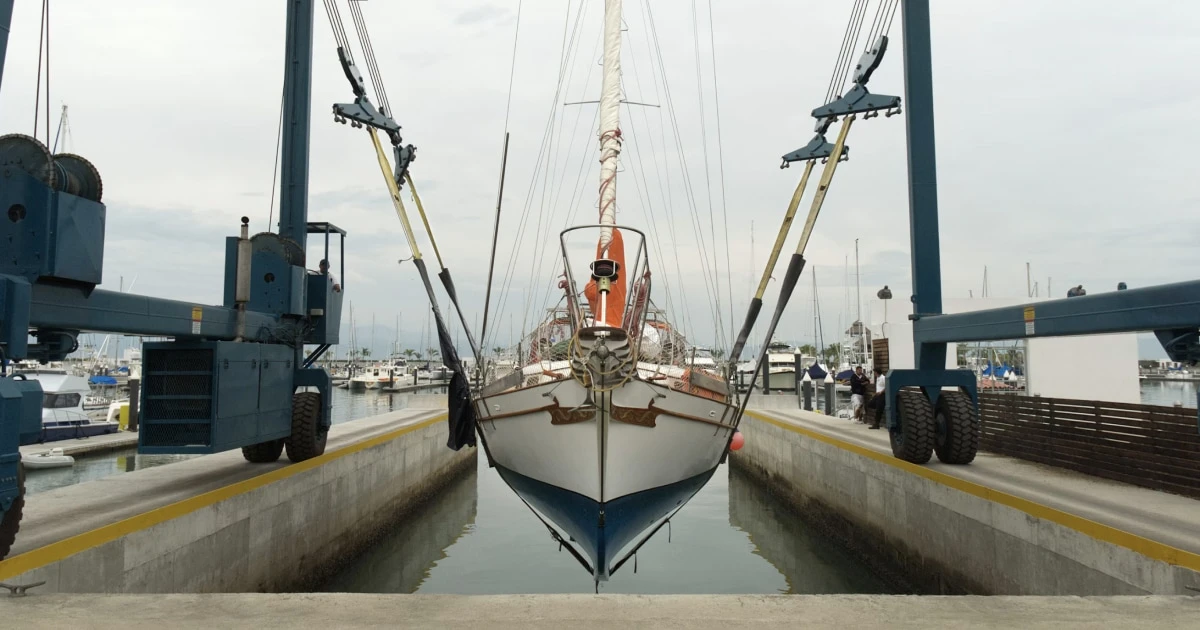
End-of-Season Boat Checklist
The last trip of the season is not the end of boat ownership tasks. Before leaving your boat unused for weeks or months, take time to protect its mechanical systems, prevent moisture damage, inspect equipment, and document any maintenance still required.
A proper end-of-season boat checklist helps you avoid preventable damage, organize winter maintenance, and make the next launch less stressful.
The exact procedure depends on your boat, engine, onboard systems, climate, and storage arrangement. A boat stored ashore in freezing conditions needs a different plan from one kept afloat in a mild climate and used throughout the winter.
Use this checklist as a planning framework, then follow the manufacturer’s instructions for your specific equipment.
Quick end-of-season boat checklist
Use this overview to organize your final inspection and seasonal preparation.
- Record the boat’s final trip, engine hours, and condition.
- Photograph damage, wear, and areas needing attention.
- Review the maintenance schedule and identify overdue service.
- Service and protect the engine according to its manual.
- Prepare the fuel system for the expected storage period.
- Protect cooling, freshwater, sanitation, and other plumbing systems against freezing where necessary.
- Charge and prepare batteries for storage.
- Inspect the hull, deck, through-hull fittings, and bilges.
- Inspect sails, rigging, ropes, covers, and deck equipment.
- Check safety equipment, expiry dates, and servicing requirements.
- Remove food, damp textiles, valuables, and unnecessary equipment.
- Clean the boat and establish suitable ventilation.
- Secure the boat, cover, mooring lines, and shore connections.
- Update the maintenance log, inventory, and outstanding-work list.
- Schedule repairs and prepare a budget for next season.
Not every item applies to every boat. Mark each task as completed, not applicable, or requiring follow-up so nothing important disappears from the list.
1. Document the boat’s condition before storage
Before cleaning everything or dismantling equipment, record the boat’s condition at the end of the season.
This creates a useful baseline for the next inspection and helps you distinguish existing issues from problems that develop during storage.
Record the final trip
Capture the essential details of your last outing:
- Date and destination.
- Route, distance, and trip duration.
- Engine hours, if available.
- Crew and relevant operating conditions.
- Unusual noises, vibration, temperature changes, or warning indications.
- Any equipment that malfunctioned during the trip.
For sailboats, record rigging concerns, sail damage, steering issues, or problems with the auxiliary engine. For motorboats, note changes in engine performance, fuel consumption, steering, or propulsion.
A trip log can also help you identify maintenance needs that were not obvious during routine inspections.
Photograph defects and wear
Take clear photographs of areas that need attention, including:
- Corrosion, leaks, or damaged hoses.
- Cracks in canvas, covers, or upholstery.
- Worn ropes, chafed lines, and damaged sailcloth.
- Scratches, impact marks, and visible hull damage.
- Damaged connectors or electrical components.
- Rust, staining, or moisture around fittings.
Add a short note describing the location, symptoms, and next action. A photograph without context can be difficult to interpret several months later.
For a structured approach to recording work and findings, see How to Keep a Boat Maintenance Log.
2. Prepare the engine and fuel system
Engine preparation is one of the most important parts of seasonal storage for boats with inboard engines or outboards.
Fuel, lubrication, cooling, corrosion, and inactivity can all create problems during a long lay-up. However, the correct procedure varies significantly between engine models and fuel types.
Engine and gearbox
- Check engine hours and compare them with the manufacturer’s service schedule.
- Review the date and operating hours of the last oil and filter change.
- Inspect the engine for leaks, corrosion, loose connections, and damaged hoses.
- Check belts and other accessible drive components.
- Inspect the gearbox or outdrive for signs of leakage or abnormal fluid condition.
- Review the condition of the raw-water pump impeller and other service items.
- Schedule overdue maintenance and investigate unusual symptoms.
- Record completed work, parts used, and the next service due.
Some engines benefit from an oil and filter change before extended storage. Others have additional procedures for protecting internal components. Use the engine manufacturer’s instructions rather than applying a universal service routine.
For more detail, see Boat Maintenance Schedule and How to Track Engine Hours on a Boat.
Cooling system and freezing protection
If freezing temperatures are possible, identify which parts of the cooling system contain water and how they must be protected.
Depending on the engine, this may involve a raw-water circuit, a closed coolant circuit, or both.
- Identify the engine’s cooling-system configuration.
- Check the manufacturer’s storage procedure.
- Drain or protect the appropriate circuits as specified.
- Inspect hoses, clamps, strainers, and accessible cooling components.
- Verify that the correct coolant remains in any closed cooling circuit.
- Record any disconnected hoses, closed valves, or other temporary changes.
Do not assume that draining one component removes all water from the system. Water can remain trapped in pumps, coolers, hoses, and low points.
If you are unsure how to protect the engine, have a marine technician perform the work.
Fuel system
Fuel-storage requirements depend on whether the engine uses diesel or petrol, the fuel type, the tank design, and the manufacturer’s guidance.
- Inspect accessible fuel lines, connections, and filters for leaks or damage.
- Check the fuel-water separator where fitted.
- Review the recommended storage level and fuel treatment for your engine.
- Use a stabilizer or other treatment only when appropriate for the fuel and manufacturer.
- Record any fuel purchased, treatment added, or filter replaced.
There is no single fuel-storage rule that applies to every boat. For example, guidance may differ between diesel and petrol systems, and between a boat kept ready for winter use and one stored for several months.
Never add an unfamiliar treatment or change the fuel configuration without checking compatibility.
For a better record of purchases and consumption, see Boat Fuel Log: Track Consumption.
3. Protect freshwater and sanitation systems
Water trapped in pipes, pumps, valves, and appliances can freeze and cause expensive damage. Even in climates without freezing temperatures, stagnant water, leaks, and poor ventilation can create problems during storage.
Freshwater system
If freezing is possible, review the manufacturer’s procedure for the complete freshwater system.
- Empty the freshwater tank if required.
- Drain the pump, filters, pipes, and taps as specified.
- Check showers, external showers, and mixers for trapped water.
- Prepare the water heater or calorifier according to its manual.
- Inspect accessible connections for leaks.
- Protect any remaining water-filled components using an approved procedure.
Do not assume that opening the taps empties the entire system. Water may remain in low points, filters, pumps, and appliances.
Toilets, holding tanks, and pumps
- Clean and prepare the toilet according to its manufacturer’s instructions.
- Identify water trapped in sanitation hoses, pumps, and valves.
- Empty holding tanks where appropriate and permitted.
- Prepare macerators, shower sumps, and other pumps for the storage conditions.
- Check seacocks and through-hull connections for signs of leakage or corrosion.
Follow local requirements for waste disposal. Never discharge holding-tank contents where prohibited.
Refrigeration and other appliances
If the boat has a refrigerator, freezer, watermaker, air conditioning, heating, or other water-bearing equipment, check its specific storage procedure.
Empty and clean appliances as appropriate, remove food, and leave doors open when recommended to improve ventilation.
4. Prepare the batteries and electrical system
Batteries can self-discharge while the boat is unused. Leaving them in a discharged state, exposing them to unsuitable temperatures, or using an incompatible charger can shorten their service life.
Battery checklist
- Identify each battery’s chemistry and intended use.
- Check for visible damage, corrosion, loose connections, or signs of leakage.
- Charge batteries according to the manufacturer’s instructions.
- Decide whether batteries should remain installed or be removed for storage.
- Arrange periodic charging or an appropriate maintenance charger.
- Check the condition of battery cables, terminals, and accessible connections.
- Record any battery replacement or maintenance that will be needed next season.
Lead-acid, AGM, gel, and lithium batteries do not all have the same storage and charging requirements. Follow the instructions for the battery actually installed.
If the boat remains connected to shore power, ensure that the charging equipment and electrical installation are suitable for unattended operation. Do not rely on shore power without considering the consequences of a power failure.
Electronics and removable equipment
- Back up important navigation data where possible.
- Remove portable electronics and valuables if appropriate.
- Store removable equipment in a dry location within its specified temperature range.
- Protect exposed electronics and connectors using manufacturer-approved methods.
- Check that electrical equipment will not be left running unnecessarily.
Avoid applying generic sprays or coatings to electrical equipment unless the manufacturer recommends them.
5. Inspect the hull, deck, and underwater equipment
The end of the season is a good opportunity to inspect areas that may be difficult to examine during normal use.
The work required depends on whether the boat is lifted out, remains afloat, or is stored on a trailer.
Hull and underwater gear
If the boat is hauled out:
- Inspect the hull for impact damage, cracks, blistering, and other visible defects.
- Clean the hull using an appropriate method.
- Check antifouling condition and plan renewal if needed.
- Inspect anodes and replace them when required.
- Examine propellers, shafts, rudders, and drive units where fitted.
- Inspect accessible through-hull fittings and seacocks.
- Record defects requiring professional assessment.
Do not treat every mark or coating defect as cosmetic. If you find possible structural damage, significant corrosion, or a suspect underwater fitting, arrange a proper assessment.
If the boat stays in the water, inspect accessible hull fittings and monitor the bilge for unexpected water ingress. Arrange a haul-out when a closer inspection or repair is necessary.
Deck, cockpit, and drainage
- Wash away salt and dirt.
- Clear cockpit drains, scuppers, and other drainage routes.
- Check deck fittings, handrails, and accessible fastenings.
- Inspect hatch seals and windows for leaks.
- Check that covers will not trap standing water.
- Remove or secure loose equipment that could be damaged by wind.
Ensure rainwater can drain freely. Water accumulating in a cockpit or under a cover can add substantial weight and create avoidable damage.
6. Inspect sails, rigging, ropes, and covers
For sailboats, the end of the season is a useful time to inspect the sailing equipment before it is stored or left exposed to winter conditions.
Sails and rigging
- Inspect sails for tears, chafe, damaged stitching, and worn reinforcement patches.
- Check battens, sail slides, reefing lines, and other associated components.
- Inspect accessible standing and running rigging.
- Look for damaged wire strands, corrosion, worn terminals, and chafe.
- Inspect halyards, sheets, control lines, and blocks.
- Record any rigging concerns requiring a rigger’s assessment.
Do not attempt to diagnose the structural integrity of critical standing rigging from a quick visual check alone. Significant corrosion, deformation, or suspected damage warrants professional inspection.
Stowing sails and canvas
- Clean and dry sails before storage.
- Repair minor damage before it worsens, or arrange professional repairs.
- Store sails in accordance with the sailmaker’s guidance.
- Clean and dry canvas covers, sprayhoods, and other removable textiles.
- Inspect zips, seams, straps, and attachment points.
- Check mooring lines and dock lines for wear and chafe.
Do not pack wet sails or textiles away for long periods. Moisture encourages mildew and can damage materials.
For motorboats, focus instead on covers, canopy frames, steering systems, propulsion components, and any exposed deck equipment.
7. Review safety equipment and navigation gear
Safety equipment needs attention even when the boat will not be used for several months. The end of the season is a convenient time to identify expired items and schedule servicing before the spring rush.
- Check lifejackets and buoyancy aids for damage and service requirements.
- Review expiry dates and service dates for applicable equipment.
- Inspect flares and other signalling equipment in accordance with their instructions and local requirements.
- Check the condition of fire extinguishers and other firefighting equipment.
- Inspect first-aid supplies and replace expired contents.
- Check lifebuoys, recovery equipment, and associated lines.
- Review distress communication equipment and portable radio batteries.
- Store removable safety equipment according to its manufacturer’s instructions.
- Make a list of items requiring replacement or professional servicing.
Requirements depend on the boat, flag, jurisdiction, and navigation area. Use the applicable regulations rather than assuming that one checklist covers every vessel.
For a more detailed review, see Boat Inventory Checklist.
8. Clean and prepare the interior
Damp, food residue, poor airflow, and forgotten personal belongings can create unpleasant surprises after months of storage.
Cabin and galley
- Remove perishable food and anything that could attract pests.
- Empty and clean the refrigerator and freezer as appropriate.
- Clean the galley, sinks, and work surfaces.
- Remove rubbish and leave bins clean and dry.
- Wash and dry bedding, towels, and removable textiles.
- Remove valuables, documents, and equipment you do not want to leave aboard.
- Clean lockers and storage spaces.
- Check for signs of leaks, mould, or persistent condensation.
Where appropriate, leave refrigerator doors, lockers, and cushions positioned to encourage airflow.
Ventilation and moisture control
- Arrange ventilation suitable for the boat and storage location.
- Check vents for obstructions.
- Avoid trapping damp air beneath covers.
- Use a dehumidifier only where appropriate and ensure it can operate and drain safely.
- Inspect the bilge and remove standing water.
- Investigate any recurring source of moisture rather than simply masking the symptoms.
A cover should keep out rain while allowing suitable air circulation. The right balance depends on the cover design, weather exposure, and whether the boat is stored ashore or afloat.
9. Secure the boat for storage
The boat’s storage arrangement determines many of the final checks.
If the boat is stored ashore
- Confirm that the cradle, trailer, or support arrangement is appropriate for the boat.
- Check that the boat is stable and correctly supported.
- Ensure cockpit and deck drainage remains unobstructed.
- Secure covers without creating excessive loads on fittings.
- Check that rainwater cannot pool on covers or decks.
- Protect vulnerable equipment from weather and unauthorized access.
- Confirm that the boatyard permits the planned electrical connections and equipment.
Do not alter a support arrangement unless you understand the loads involved. Ask the boatyard to assess any concern about stability or support points.
If the boat remains in the water
- Inspect mooring lines, chafe protection, and attachment points.
- Check fenders and adjust their positions.
- Review expected water-level changes and local weather exposure.
- Check bilge pumps, alarms, and power arrangements where fitted.
- Verify that through-hull fittings and accessible seals are not leaking.
- Arrange regular visits to inspect the boat.
- Recheck moorings and covers after strong winds or severe weather.
Never assume that leaving a boat afloat removes the need for winter preparation. Cold temperatures, heavy rain, changing water levels, and chafe can still cause damage.
10. Make a separate plan for trailer boats and outboards
Smaller motorboats, RIBs, and trailer boats have some additional storage considerations.
- Inspect the trailer frame, tyres, lights, brakes, and wheel bearings as appropriate.
- Check the trailer winch, straps, and securing points.
- Clean and dry the boat, including lockers and inflatable sections where applicable.
- Inspect the outboard for visible damage, corrosion, and leaks.
- Follow the outboard manufacturer’s flushing, lubrication, fuel, and storage instructions.
- Protect the propeller and exposed components during storage.
- Store portable fuel tanks according to the manufacturer’s instructions and applicable safety rules.
- Secure the boat and trailer against movement and theft.
Outboard storage procedures vary by model. For example, the correct storage position and fuel-system preparation should come from the engine manual, not a generic internet checklist.
11. Turn inspection findings into a maintenance plan
Finding a problem is useful only if it leads to a clear next action.
Before closing up the boat, classify outstanding work so you can prioritize repairs and estimate next season’s costs.
| Priority | Examples | Next action |
|---|---|---|
| Safety-critical | Suspected structural damage, serious fuel leak, defective steering | Do not use the boat until assessed and made safe |
| Before launch | Overdue essential service, damaged safety equipment, faulty cooling system | Complete and verify before the first trip |
| Planned maintenance | Antifouling, routine servicing, worn consumables | Schedule work and order parts |
| Improvement | Storage upgrades, organization, optional equipment | Budget and assess before next season |
Add the relevant details to your maintenance records:
- Date and engine hours.
- Inspection findings.
- Work completed and parts used.
- Costs and receipts.
- Repairs still required.
- Person or company responsible.
- Target date for the next action.
This is also a good time to review your inventory and identify tools, spare parts, and consumables that need replenishing.
Related guides:
12. Keep a record of winterization
One of the easiest mistakes to make is forgetting what you changed before storage.
A simple winterization record can prevent confusion when you return to the boat.
| Date | System | Work completed | Status or follow-up |
|---|---|---|---|
| October 12 | Engine | Seasonal service completed | Next service based on manual |
| October 12 | Freshwater | System drained for cold storage | Refill and check for leaks before use |
| October 13 | Batteries | Batteries prepared for storage | Follow battery manufacturer’s charging guidance |
| October 13 | Sails | Inspected and stored dry | Repair one damaged seam |
| October 14 | Hull | Condition photographed | Review antifouling before launch |
These entries are illustrative, not a universal maintenance schedule. Use the dates, procedures, and intervals appropriate to your boat.
If you disconnect hoses, close valves, remove belts, or block an intake as part of an approved storage procedure, document every change clearly. Attach a visible warning where needed to prevent someone from operating equipment in an unsafe configuration.
You can use a maintenance log for technical work and a trip log for what happened on the water. They serve different purposes but complement one another.
13. When should you complete each task?
The ideal timing depends on your local climate, storage availability, and maintenance workload. The following sequence is a practical planning guide rather than a fixed calendar.
After the final trip
- Record the trip and engine hours.
- Photograph damage and unusual findings.
- Remove food and personal belongings.
- Clean the boat and arrange repairs.
- Review safety equipment and maintenance due dates.
Before the boat is laid up
- Complete the required engine and fuel-system preparation.
- Protect water-bearing systems if freezing is possible.
- Prepare batteries and electrical equipment.
- Remove or store sails, canvas, and vulnerable equipment as appropriate.
- Arrange haul-out and underwater inspection if required.
- Secure the boat and establish a monitoring plan.
During storage
- Inspect the boat at intervals appropriate to its location and exposure.
- Check moorings, covers, drainage, bilges, and signs of water ingress.
- Monitor batteries and power systems where relevant.
- Reassess the boat after severe weather.
- Record any problems and arrange repairs.
Before the next season
- Review your winterization record and reverse temporary changes.
- Complete outstanding repairs and scheduled maintenance.
- Check fluids, hoses, belts, batteries, steering, and propulsion.
- Inspect safety equipment and navigation systems.
- Test systems using the manufacturer’s recommissioning procedure.
- Complete a Pre-Departure Boat Checklist before returning to the water.
14. Common end-of-season mistakes
Avoid these common oversights when preparing a boat for storage.
Assuming every boat needs the same winterization procedure. Engine design, battery chemistry, onboard equipment, climate, and storage arrangements all affect the correct procedure.
Waiting until the first freeze. Arrange service and protect vulnerable systems before freezing conditions arrive, allowing time for repairs or professional help.
Forgetting hidden water. Water can remain trapped in pumps, hoses, filters, valves, and appliances even when tanks are empty.
Leaving batteries unattended without a plan. Batteries can self-discharge, and charging requirements vary by chemistry and installation.
Closing the boat up while it is still damp. Wet textiles, stagnant air, and blocked ventilation encourage mould and corrosion.
Treating a quick visual inspection as a complete survey. Important structural, rigging, engine, and underwater defects may require specialist inspection.
Failing to record changes. Disconnected hoses, closed valves, removed components, and outstanding repairs can be forgotten by spring.
Ignoring ongoing checks. A boat in storage still needs appropriate monitoring, especially if it remains afloat or is exposed to severe weather.
Frequently asked questions
When should I winterize my boat?
Start before the weather or storage conditions create a risk to the boat’s systems. In cold climates, that means completing relevant protection before freezing conditions are expected. In milder climates, you may need a different seasonal maintenance plan.
Do I need to winterize a boat if I keep using it all year?
You may not need a full lay-up procedure, but you still need to protect vulnerable systems and maintain the boat according to its equipment and local conditions. Boats left afloat can still be affected by freezing, damp, battery discharge, leaks, and severe weather.
Should I change the engine oil before winter storage?
Many marine engine maintenance procedures recommend changing oil and filters before an extended period of storage. Confirm the interval and procedure in the manual for your engine, and consider any service that is due based on hours or calendar time.
Should I remove the boat’s batteries for winter?
Not necessarily. Some batteries can remain installed if the charging and storage arrangements are appropriate. Others may benefit from removal and storage in a suitable environment. Follow the battery manufacturer’s requirements for temperature, state of charge, and maintenance charging.
What should I do with the freshwater system?
If freezing is possible, follow the system manufacturer’s procedure to drain or otherwise protect the tank, pump, pipes, water heater, taps, and other water-bearing components. Do not assume that emptying the tank alone is sufficient.
Is a maintenance log useful during winter storage?
Yes. A maintenance log records what was inspected, what work was completed, which parts were replaced, and what remains to be done. It also helps you prepare an accurate maintenance budget and plan recommissioning.
Finish the season with a clear record
A good end-of-season routine protects your boat and makes the next season easier to plan. Inspect the boat, follow the correct storage procedures, document outstanding work, and keep track of the changes you will need to reverse before launch.
With Skipper, you can record trips using GPS tracks, keep trip details and notes together, add photos, and review your sailing or boating history. Use those records alongside your maintenance log to remember how the season went, document issues you noticed on the water, and plan improvements for the next one.
The goal is simple: finish the season knowing what has been done, what still needs attention, and what must happen before the boat is ready to go again.
Remember your days at sea
Skipper is a ship’s log app for sailboats and powerboats, available on iPhone and iPad. It records every trip with GPS and keeps your whole sailing history in one searchable logbook. Free for your first three trips.

Keep reading

Boat Expenses: A Complete Budget Guide
Learn how to track boat expenses, organize maintenance and fuel costs, build an annual boating budget, and calculate the true cost of owning a boat.
All boaters
Boat Inventory Checklist: Everything to Keep Track of on Board
Use this boat inventory checklist to organize safety equipment, tools, spare parts, documents and supplies, and keep your onboard inventory up to date.
All boaters
Boat Maintenance Consumables: What to Keep on Board
Discover the essential boat maintenance consumables to stock, from engine oil and filters to lubricants, sealants, electrical supplies, and cleaning products.
All boaters